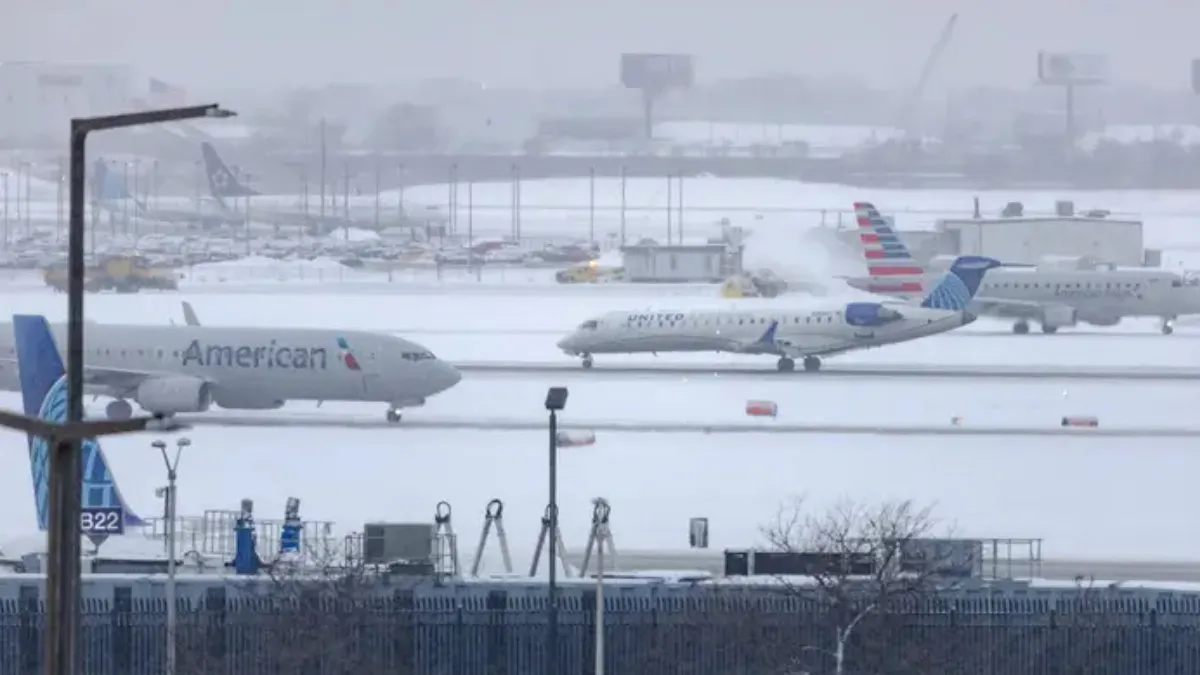
A powerful winter storm sweeping across large parts of the United States has cancelled more than 1,500 flights, disrupting holiday travel plans for millions of passengers during one of the busiest travel periods of the year.
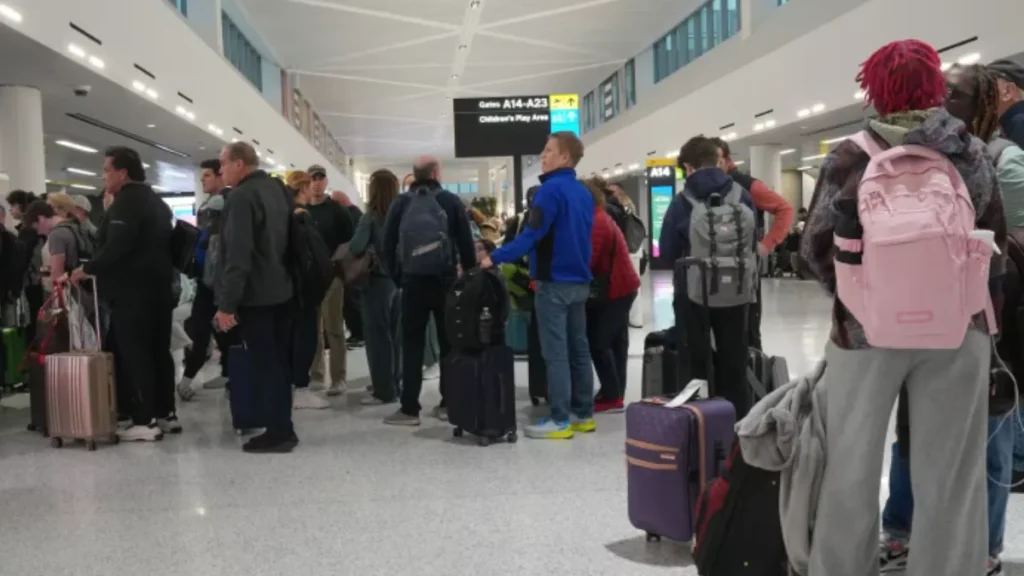
Flights grounded nationwide
According to flight tracking data, airlines cancelled more than 1,500 flights on Thursday as winter storm Devin brought heavy snow, ice, and strong winds to key travel corridors. Thousands more flights were delayed, compounding congestion at major airports.
Airports in the Midwest, Northeast, and parts of the South were among the hardest hit, with carriers citing unsafe runway conditions, aircraft de-icing backlogs, and crew availability issues.
Impact on holiday travel
The storm struck as millions of Americans were traveling ahead of the Christmas holiday, prompting warnings from airlines and airport authorities for passengers to expect delays and potential last-minute cancellations.
Travel experts said disruptions were particularly severe because the storm coincided with peak holiday demand, limiting airlines’ ability to rebook stranded travelers quickly.
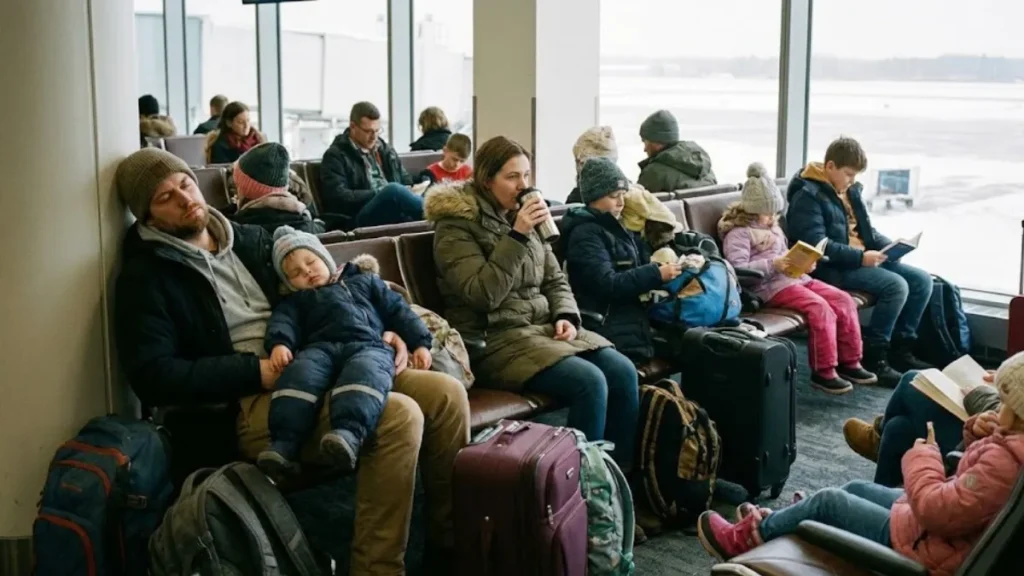
Weather conditions worsen
Meteorologists said winter storm Devin is expected to dump significant snowfall in northern states while bringing freezing rain and ice to parts of the central and eastern US. The storm system has also produced strong winds, reducing visibility and further complicating flight operations.
Forecasters warned that hazardous conditions could persist into the weekend, raising the risk of additional cancellations and delays.
Airlines and airport response
Major airlines issued travel waivers, allowing passengers to change flights without penalty. Airports deployed additional crews to clear runways and assist stranded travelers, though officials acknowledged that weather-related disruptions were unavoidable.
The Federal Aviation Administration said it was closely monitoring conditions and coordinating with airlines to manage traffic safely.
Why it matters
Weather-related disruptions during major holidays can ripple across the aviation network, affecting flights nationwide even in areas not directly hit by storms. The cancellations underscore the vulnerability of US air travel during extreme weather events, particularly during peak travel seasons.