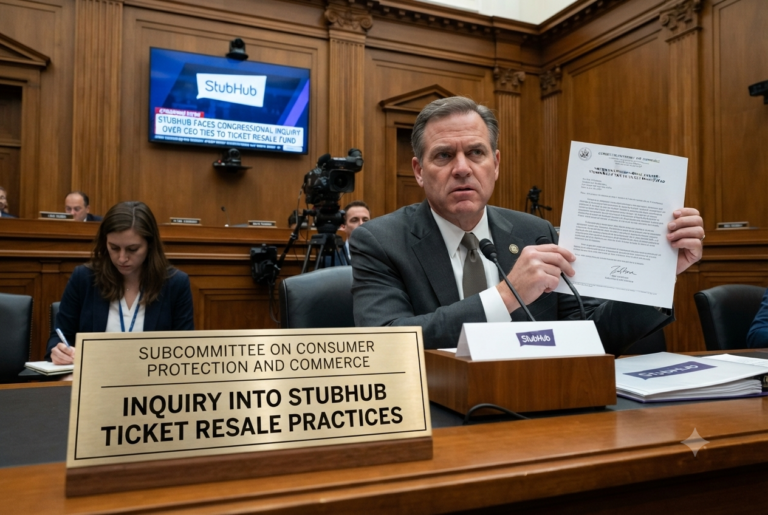
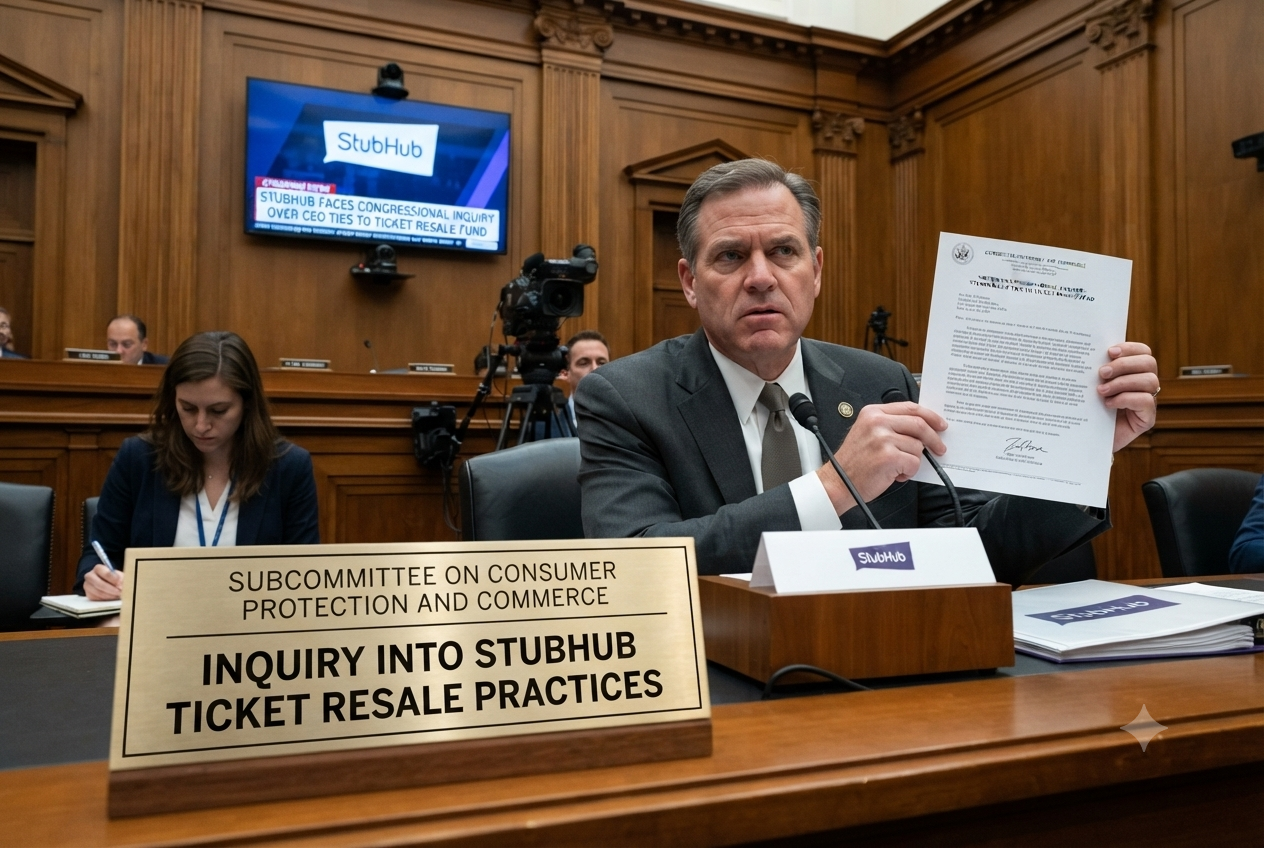
StubHub is facing a new round of scrutiny after a senior House Democrat demanded records detailing CEO Eric Baker’s financial ties to a professional ticket-reselling operation that has used the platform for years.
Rep. Robert Garcia (D-Calif.), ranking member of the House Oversight Committee, sent a letter to Baker on Friday requesting information about Andro Capital, a ticket-resale fund in which Baker is a part-owner and managing partner. Andro has sold tickets through StubHub since 2008 and has generated more than $5 million in proceeds on the platform since 2022, according to the letter.
Garcia’s letter says Baker’s dual role raises “serious concerns about whether you have engaged in market manipulation and self-dealing at the expense of consumers,” and asks StubHub to turn over correspondence and financial details tied to Andro by August 6.
The congressional letter follows a separate class-action lawsuit filed July 13 in federal court in New York, which alleges StubHub concealed Baker’s ties to Andro while marketing itself as a neutral marketplace connecting individual fans. According to the suit, StubHub’s own SEC filings describe Baker’s role at Andro and detail fee arrangements and financing deals between the company and Andro-linked entities.
The controversy comes as StubHub separately deals with fallout from this summer’s World Cup, including a proposed Canadian class-action lawsuit over tickets that buyers say were purchased but never delivered for matches in Vancouver.
StubHub has not yet issued a detailed public response to the House Oversight letter. The company has previously described itself as a marketplace that connects buyers and sellers rather than a direct ticket seller.
The scrutiny lands amid a broader national push to regulate the secondary ticketing market: several states have passed or proposed laws capping resale markups, with Maine, Vermont, and Washington, D.C. already limiting resale prices to 10% above face value.