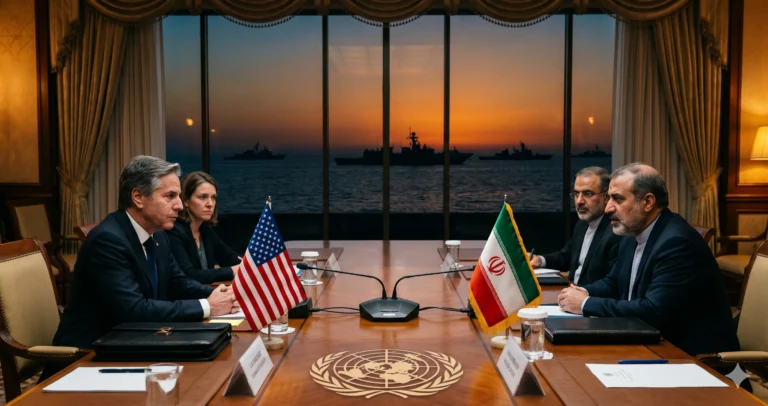
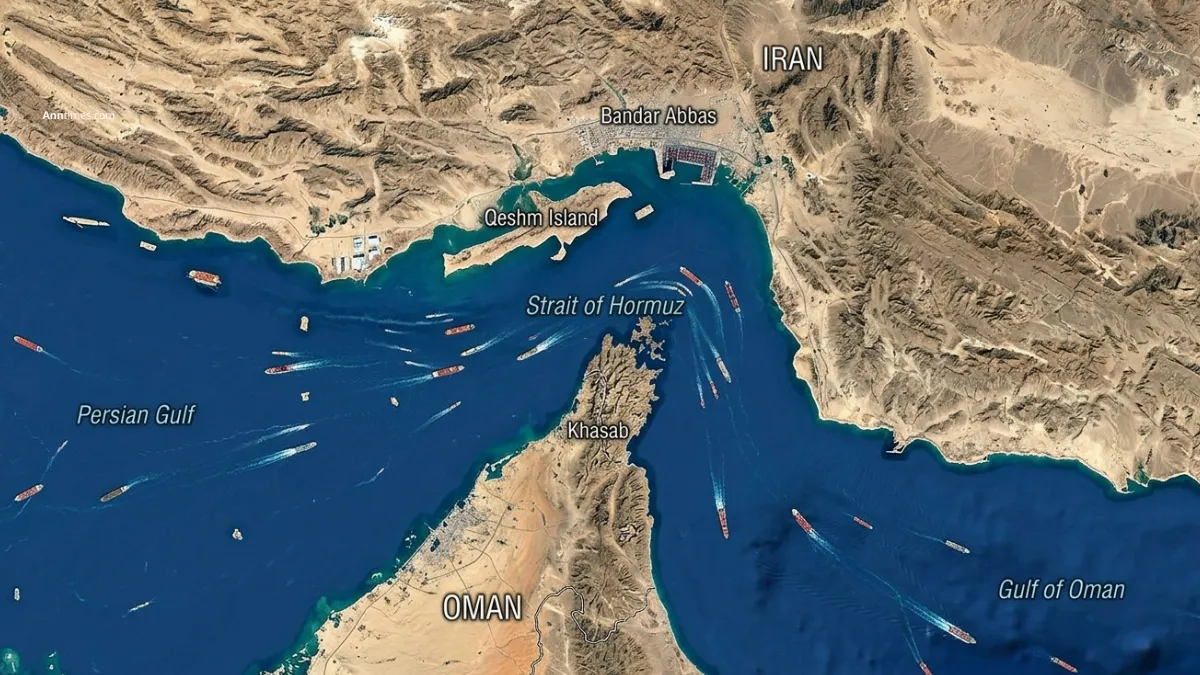
ISLAMABAD — Pakistan’s foreign minister announced that Iran has agreed to allow 20 additional ships to pass through the Strait of Hormuz, a move that could ease pressure on one of the world’s most strategically vital maritime routes.
The Pakistan Iran Strait of Hormuz ships development was shared via social media, signaling a possible breakthrough in ongoing regional tensions affecting global shipping and energy markets.
A Narrow Passage With Global Impact
The Strait of Hormuz, located between Iran and Oman, is widely considered one of the most critical chokepoints in global trade.
Roughly one-fifth of the world’s oil supply passes through the narrow waterway, making any disruption a major concern for global markets and energy security.
Even limited restrictions or threats in the strait can cause oil prices to surge and shipping routes to shift.
What the Announcement Suggests
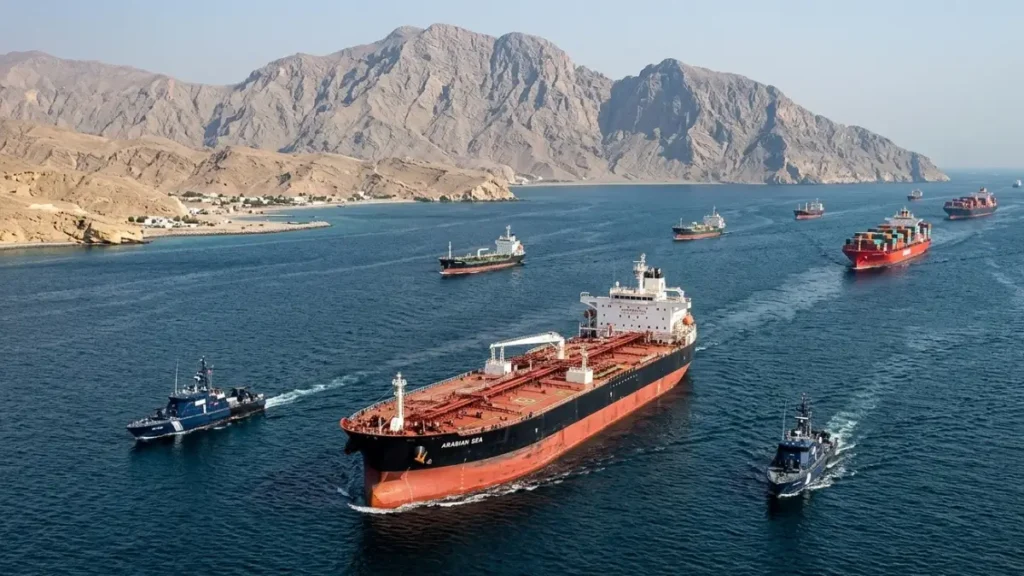
The foreign minister’s statement indicates that Iran may be easing constraints or allowing controlled passage of vessels through the strait.
While details remain unclear—including the type of ships, their destinations, and conditions attached—the announcement suggests a temporary stabilization of maritime flows in the region.
At the time of reporting, there has been no detailed operational confirmation from Iranian authorities or international maritime bodies.
Diplomatic Context
Pakistan has maintained diplomatic relations with Iran and has, at times, played a mediating role in regional tensions.
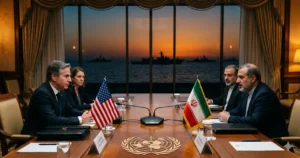
The announcement may reflect behind-the-scenes diplomatic engagement, particularly as global attention focuses on ensuring uninterrupted trade through key shipping lanes.
Analysts note that such agreements often involve complex negotiations balancing security concerns with economic necessity.
Market and Security Implications
If confirmed and sustained, the move could have immediate implications:
- Stabilizing global oil supply expectations
- Reducing insurance and shipping risks
- Lowering short-term volatility in energy markets
However, experts caution that the situation remains fragile, and maritime security in the Strait of Hormuz can change rapidly depending on geopolitical developments.