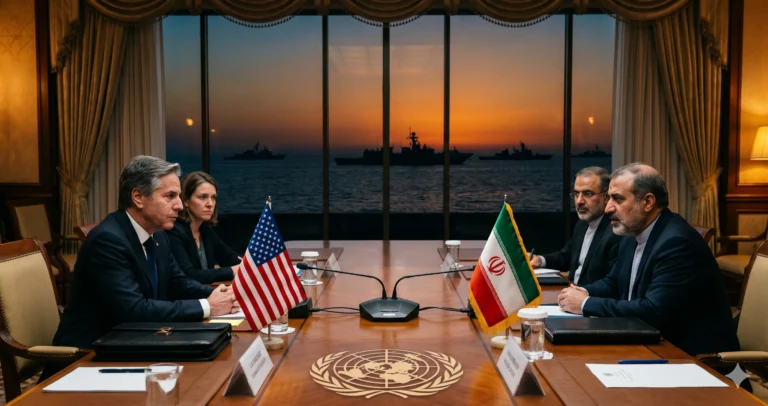
A new wave of cyber-driven misinformation allegations has surfaced, with claims that a coordinated foreign campaign is targeting Pakistan’s role in regional diplomacy.
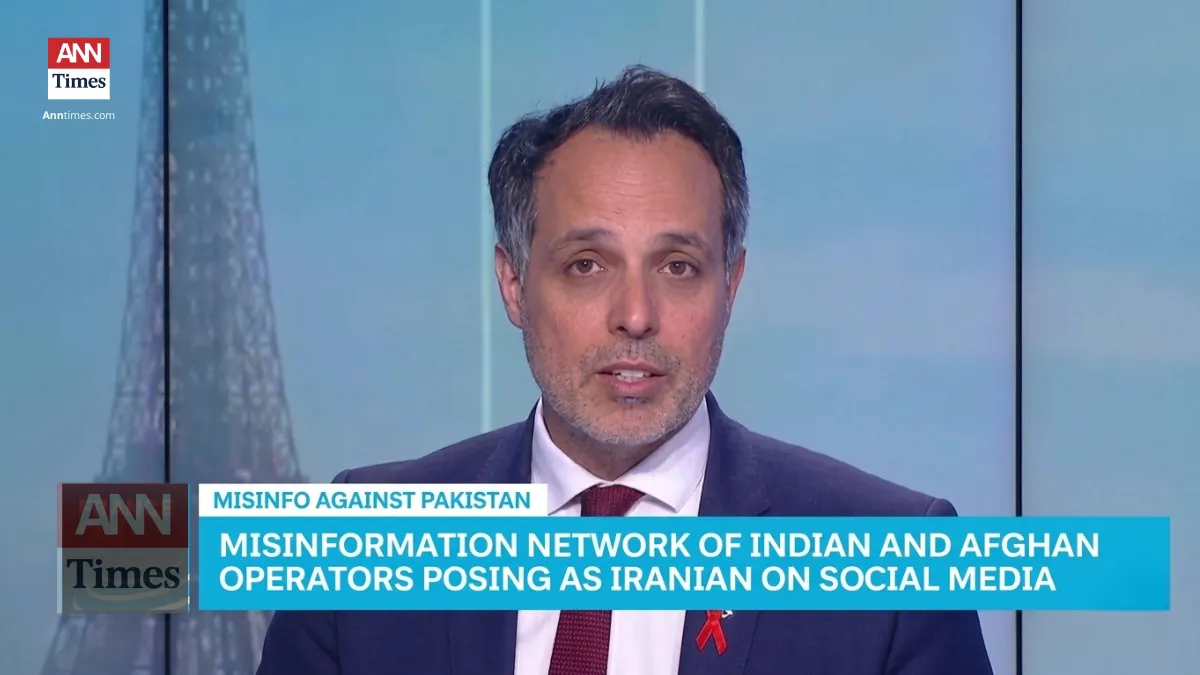
The Israel misinformation campaign Pakistan narrative, circulating widely across digital platforms, alleges that networks linked to Israel — along with actors from India and Afghanistan — are attempting to undermine Pakistan’s mediation efforts in ongoing geopolitical tensions.
However, as of now, these claims remain unverified by independent public evidence, highlighting the complex and often opaque nature of modern information warfare.
A Digital Battlefield Emerges
In recent years, geopolitical conflicts have increasingly expanded into cyberspace, where narratives, influence operations, and public perception have become strategic tools.
According to France24, global conflicts are now accompanied by parallel information wars, where states and non-state actors deploy misinformation, propaganda, and influence campaigns to shape international opinion.
These campaigns often aim to:
- Discredit rival governments
- Influence diplomatic outcomes
- Create confusion or distrust among populations
- Undermine mediation or peace initiatives
Claims Target Pakistan’s Diplomatic Role
The current allegations suggest that Pakistan’s diplomatic positioning — particularly its role as a potential mediator in regional crises — has made it a target for narrative-based attacks.
Pakistan has historically positioned itself as a mediator in several regional and international disputes, leveraging its strategic relationships across the Muslim world, China, and Western partners.
If such a campaign were confirmed, analysts say it would likely be designed to weaken Pakistan’s credibility on the global stage.
Verification Gap and Competing Narratives
Despite the seriousness of the allegations, no official confirmation from international cybersecurity agencies or governments has validated the existence of a coordinated Israel-linked campaign targeting Pakistan.
This lack of verification is significant.
Experts caution that in modern conflicts, misinformation about misinformation can also spread — meaning that claims of influence operations themselves may be part of broader narrative battles.
The Rise of Hybrid Warfare
Security analysts increasingly describe modern conflicts as hybrid warfare, where military action is combined with cyber operations, economic pressure, and information campaigns.
In such environments:
- Social media becomes a strategic battleground
- Narratives can shift rapidly without clear attribution
- Verification becomes difficult and slow
France24 reports that governments worldwide are investing heavily in counter-disinformation capabilities as these tactics grow more sophisticated.