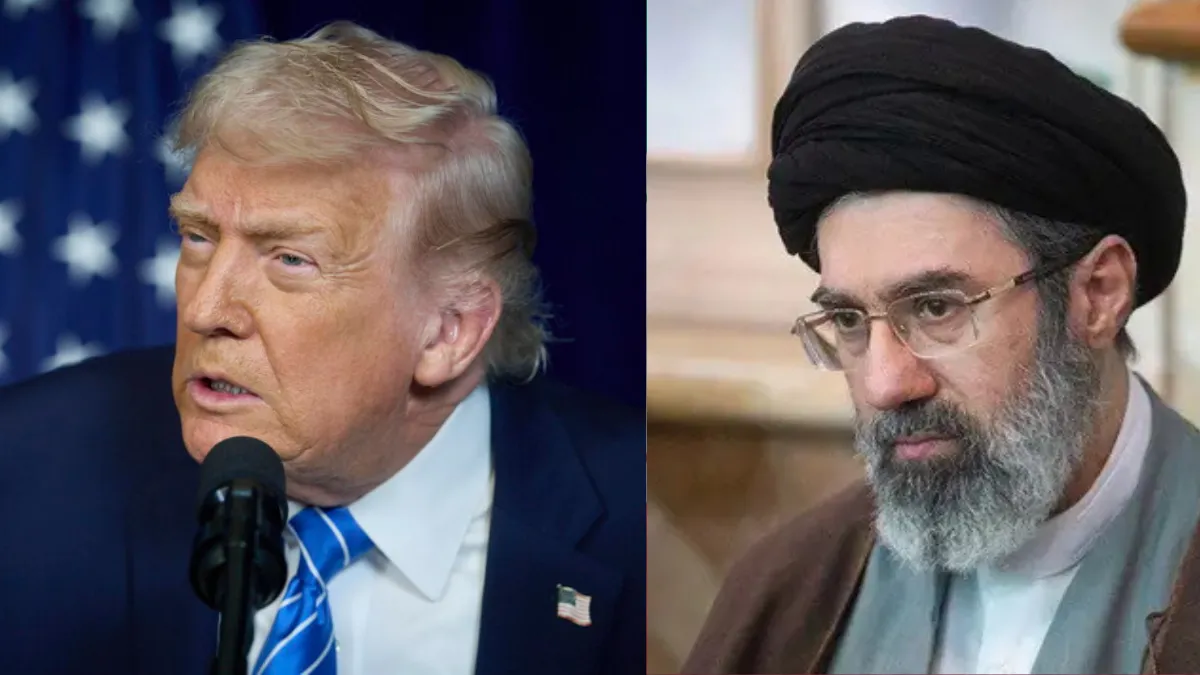
WASHINGTON – The war room, once defined by urgency and escalation, is now echoing with a different tone: an end in sight.
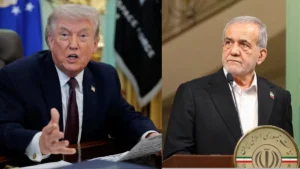
U.S. President Donald Trump said he expects the United States to conclude its military campaign against Iran within “two to three weeks,” signaling what could be a rapid shift from active conflict to strategic withdrawal.
It is the clearest indication yet that Washington believes its objectives have largely been met.
A War Nearing Its Endpoint
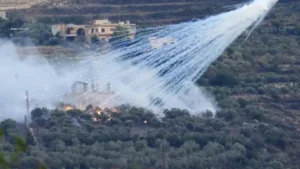
Trump’s statement suggests that the U.S. military campaign – marked by extensive strikes and regional escalation – has already achieved its core goals.
According to reports, these objectives include crippling Iran’s military infrastructure and limiting its strategic capabilities, particularly around missile systems and broader deterrence power.
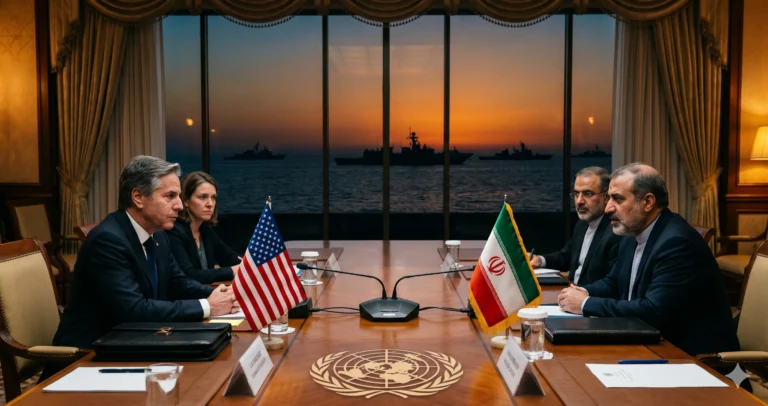
Rather than pursuing a prolonged occupation or negotiated settlement, Trump indicated that the U.S. may simply step back once those goals are secured.
The Hormuz Question
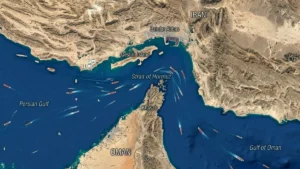
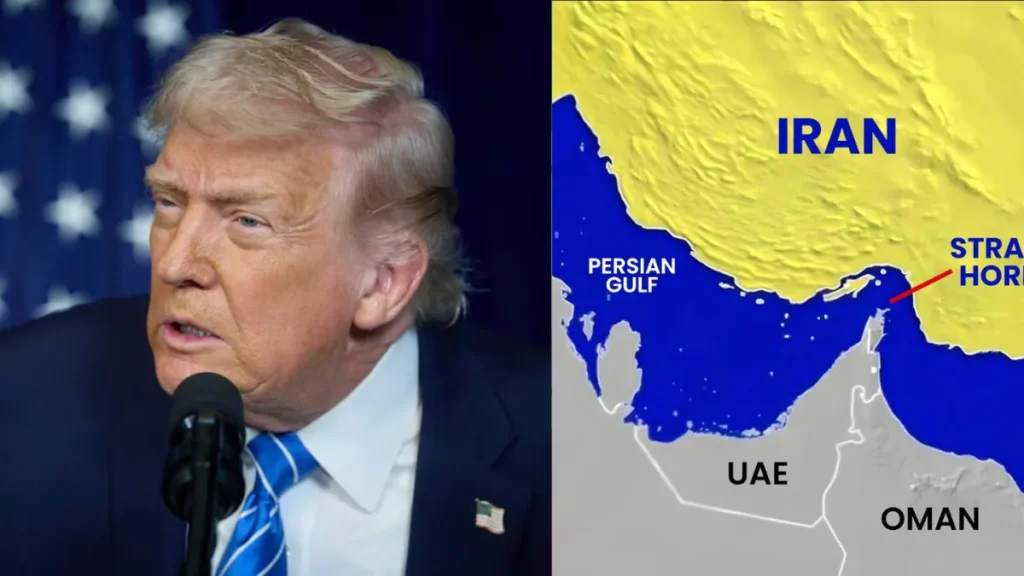
But one critical issue remains unresolved: the Strait of Hormuz.
This narrow waterway – through which roughly 20% of the world’s oil supply flows – has been at the center of global concern throughout the conflict.
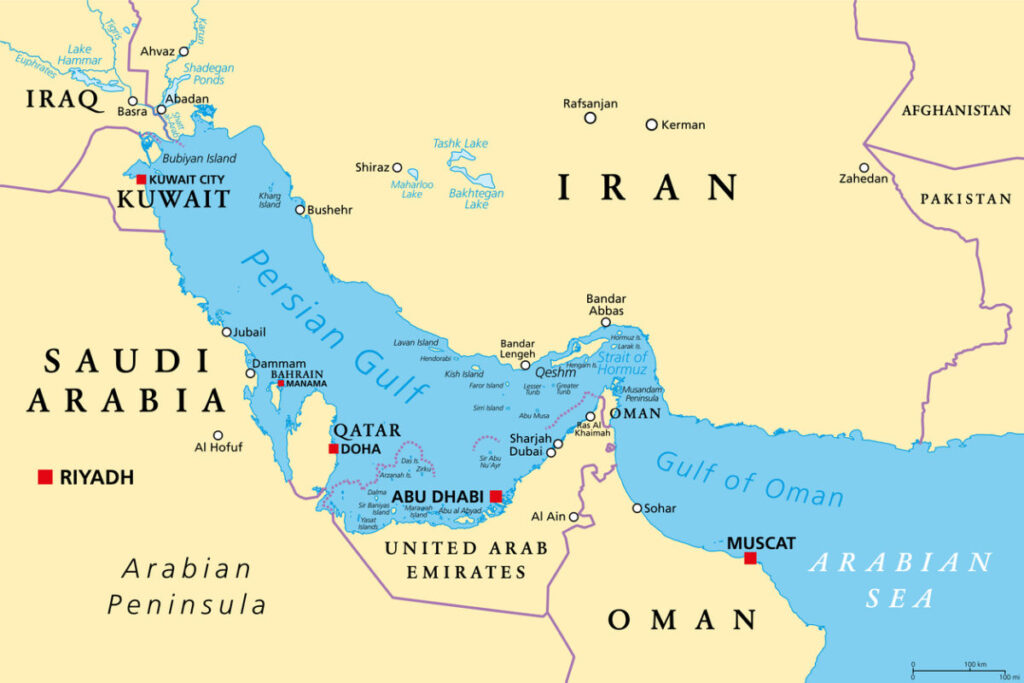
In a notable shift, Trump suggested that the U.S. may not take responsibility for reopening or securing the strait, instead leaving that task to other nations dependent on it.
Reports indicate the administration is even willing to end the war without fully restoring access to the route, a move that could have lasting economic consequences.
A Strategic Exit – or a Risky One?
The idea of ending a major conflict while leaving a key global chokepoint unresolved has sparked debate among analysts.
On one hand, a swift end to hostilities could:
- Reduce immediate military risks
- Stabilize regional tensions
- Provide political closure for Washington
On the other, leaving the Strait of Hormuz partially disrupted could:
- Prolong global energy volatility
- Shift security burdens onto allies
- Create a power vacuum in maritime security
Global Stakes
The Strait of Hormuz is not just a regional concern – it is a global economic artery.
Any instability there affects:
- Oil prices
- Shipping insurance rates
- Supply chains across Asia, Europe, and beyond
Trump’s suggestion that other nations should take responsibility reflects a broader shift in U.S. foreign policy – one that emphasizes burden-sharing over unilateral enforcement.
What Comes Next
Despite the optimism surrounding a potential end to the war, uncertainties remain:
- Will Iran accept the de facto conclusion of hostilities?
- Can allies effectively manage security in the Strait of Hormuz?
- Will global markets stabilize – or react to unresolved risks?
For now, Trump’s timeline offers a clear signal of intent, but the reality on the ground – and at sea – may prove more complex.
A War Ending, a New Phase Beginning
If the conflict does end within weeks, it may not mark a true conclusion – but rather a transition.
From missiles and airstrikes to diplomacy and economic pressure.
From battlefield victories to strategic consequences that could shape global politics long after the fighting stops.