The story begins with a legal distinction that often gets lost in angry headlines: white phosphorus is not automatically illegal, but using it in a way that endangers civilians can be. That is why the latest allegation from Human Rights Watch matters. The group says Israel white phosphorus Lebanon HRW findings show an unlawful strike pattern over homes in southern Lebanon, not merely the presence of a controversial munition.
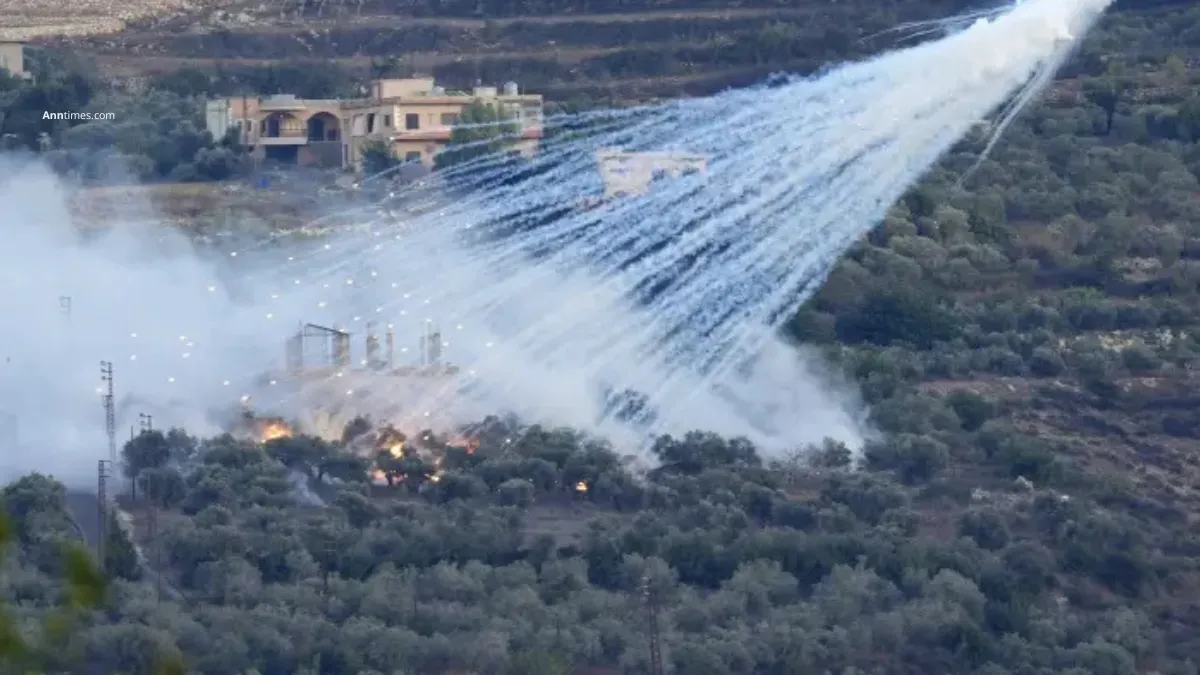
Human Rights Watch said on March 9 that Israeli forces used artillery-fired white phosphorus over the southern Lebanese town of Yohmor on March 3, 2026, and that the rounds burst over a residential area. According to the organization, it verified and geolocated eight images showing the munition dispersing over homes, while civil defense workers responded to fires in at least two houses and one vehicle. Reuters reports that HRW characterized the use as unlawful because the munition was deployed over a populated area.
What HRW is alleging
HRW’s allegation is specific. It is not claiming that any military use of white phosphorus is illegal in all circumstances. It is arguing that the munition was used over homes, in a residential setting, in a manner that created foreseeable danger for civilians and civilian property. That distinction is crucial.
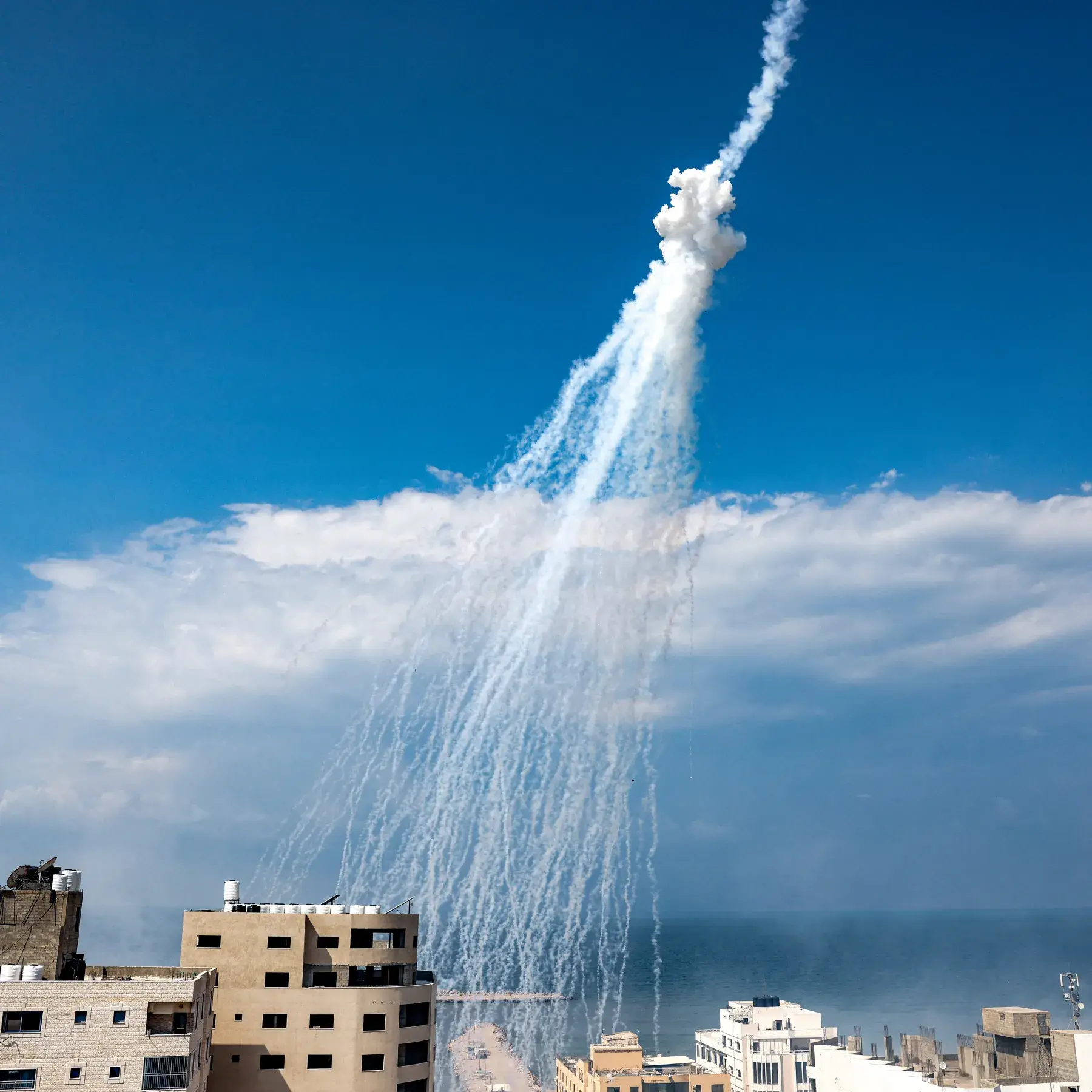
White phosphorus can ignite fires and cause severe burns. HRW says such munitions can inflict life-threatening injuries, including deep chemical and thermal burns, respiratory damage, organ failure, and death. The concern in Lebanon is amplified by the fact that airburst rounds can scatter burning material across a wide area.
What the law actually says
This is where facts matter more than slogans.
Under the ICRC’s legal guidance, white phosphorus is not prohibited per se by international treaty. In other words, there is no blanket rule saying every use of white phosphorus is unlawful. But that does not give armies a free pass. Its use still has to comply with the core laws of war: distinction, proportionality, and precautions to spare civilians.
Protocol III to the Convention on Certain Conventional Weapons restricts the use of incendiary weapons against civilians and places tighter limits on use in concentrations of civilians. Lebanon joined the CCW and Protocol III in 2017. The UN describes Protocol III as prohibiting the use of weapons primarily designed to set fire to objects or cause burn injuries against civilians.
That legal framework is why HRW argues that airburst use of white phosphorus over a residential area is unlawful. Even where lawyers debate how particular white phosphorus munitions fit within Protocol III’s technical definitions, the broader civilian-protection rules still apply.
What Israel has said – and what remains disputed
A fair account has to separate verified facts from contested claims.
Reuters reported that Israel had not confirmed the Yohmor allegation and said it had not reviewed HRW’s evidence. That means the public record currently contains a documented rights-group allegation and supporting open-source verification claims, but not an Israeli admission.
There is also prior context. In October 2023, Reuters reported that Human Rights Watch accused Israel of using white phosphorus in Gaza and Lebanon; at that time, the Israeli military called the accusation regarding Gaza “unequivocally false.” That denial was tied to a different incident, not necessarily the Yohmor case. Still, it shows that Israel has rejected at least some earlier accusations involving the same munition.
Why this matters beyond one town
The Yohmor allegation is part of a longer pattern of concern. HRW said in June 2024 that it had verified white phosphorus use by Israeli forces in at least 17 municipalities across southern Lebanon since October 2023, including five municipalities where it said airburst munitions were unlawfully used over populated residential areas. Reuters also reported in 2024 on Lebanese farmers worried about contamination and damage linked to white phosphorus use in the south.
So the issue is no longer only about a single battlefield moment. It has become a wider question about civilian harm, displacement, agricultural damage, and whether legal restrictions on incendiary effects are being respected.
The truth that should not be hidden
Two things can be true at the same time.
First, white phosphorus is not categorically banned in every military use. Any article that skips that point is incomplete.
2. Using it over homes or densely populated civilian areas is still unlawful under international humanitarian law. Any article that hides that point is also incomplete.
That is the central truth in this case. HRW has made a serious, evidence-backed allegation about Israel white phosphorus Lebanon HRW findings in Yohmor. The legal concern rests on the alleged manner of use over civilians, not on a simplistic claim that the substance itself is forbidden in all contexts. Whether the allegation leads to formal accountability will depend on further evidence, independent investigation, and, ultimately, whether competent legal bodies determine that the strike violated the laws of war.
References:
[1] Human Rights Watch, “Lebanon: Israel Unlawfully Using White Phosphorus,” March 9, 2026.
[2] ICRC Customary IHL database, Rule 85, “The Use of Incendiary Weapons against Combatants.”
[3] UN Geneva, “Lebanon becomes the 124th State party to the CCW,” April 12, 2017.
[4] UN Office for Disarmament Affairs, “The Convention on Certain Conventional Weapons.”