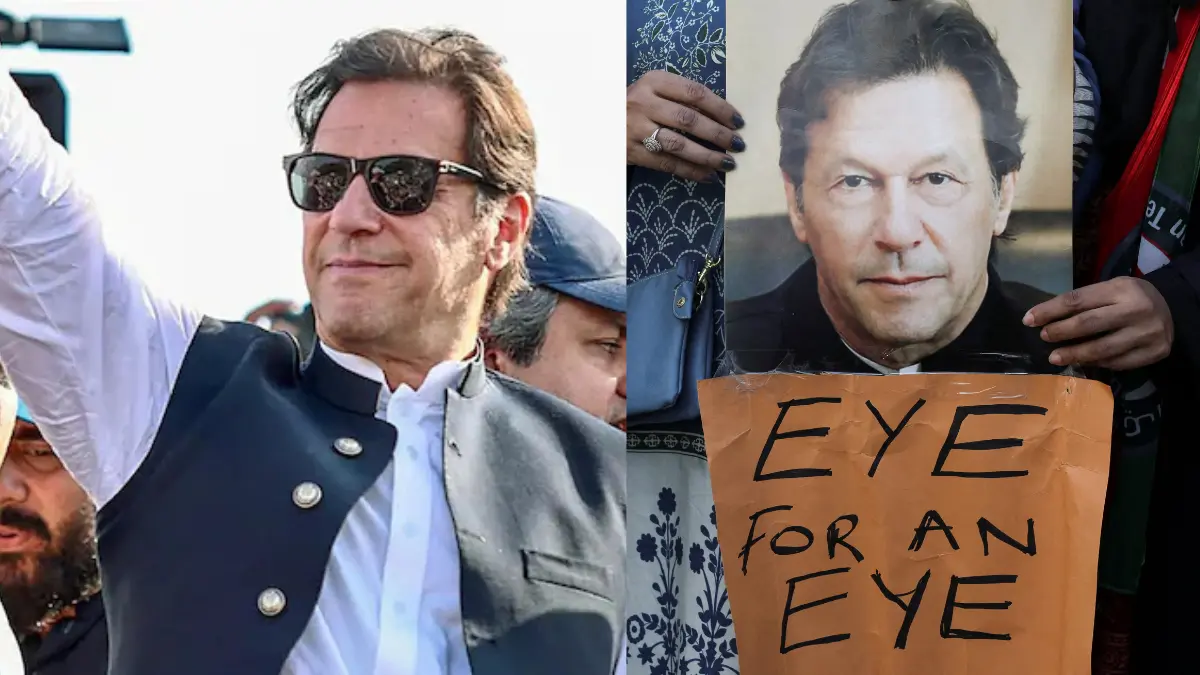
RAWALPINDI, Pakistan – The drama around former prime minister Imran Khan’s health has entered a new, suspenseful chapter. With his eyesight reportedly deteriorating sharply, Khan and his family have struck a defiant chord against government assurances, even as the Supreme Court intervenes and political tensions spike.
Just days ago, Khan – serving a long-contested sentence that has kept him imprisoned since August 2023, told Pakistan’s Supreme Court that he now has just about 15% vision in his right eye, prompting judges to order a full medical board review inside Adiala Jail.
Yet a stark conflict has now emerged between what authorities claim and what Khan’s family insists.
A Medical Mystery: 10–15% Vision or Improving?
According to his legal team and party leaders, Khan’s condition in recent months has worsened drastically due to what they call delayed treatment in custody. His lawyer said the right eye’s vision is now down by about 85%, leaving as little as 15% capacity, a loss that Khan attributes to a serious retinal condition first noticed last October.
Government physicians and officials, however, have countered these claims, saying Khan’s eyesight is being treated, and even suggesting it is improving. Pakistan’s Information Minister stated in recent days that Khan would undergo “specialized eye treatment,” although family members say they had no input on the arrangements.
These competing claims have set off a whirlpool of controversy. On one side, party supporters insist the government is withholding proper care; on the other, authorities say all necessary medical steps are being followed.
Family Rejects Govt Assessments
In sharp and emotional statements, Khan’s sisters Noreen and Aleema Khanum have rejected assessments by doctors appointed by the state, calling them unacceptable without the presence and approval of Khan’s own physicians and immediate family.
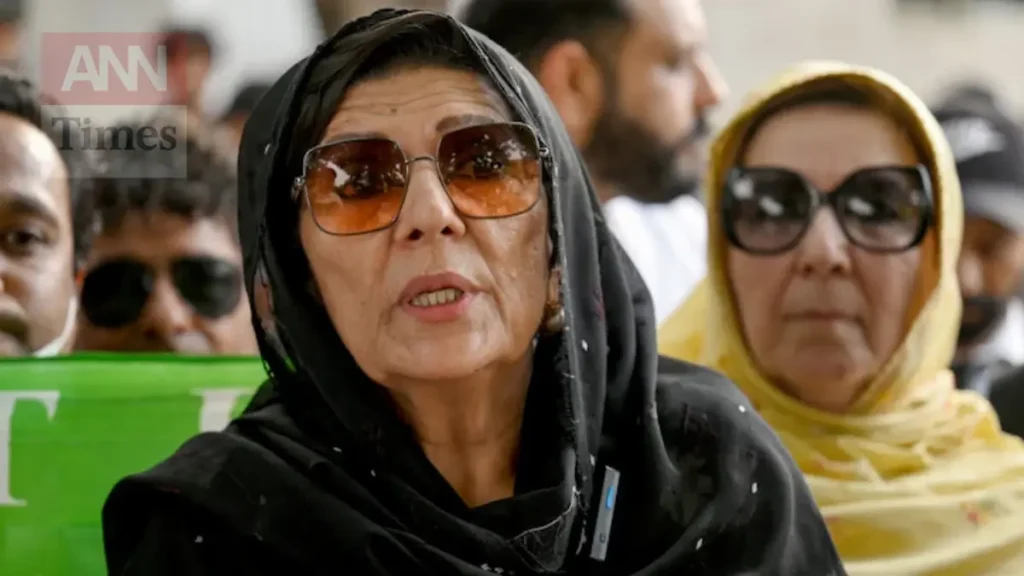
“Imran Khan shall not be given any treatment without his personal doctors and family members present,” Aleema told journalists, underlining deep mistrust toward government-selected medical teams.
Earlier, another party voice claimed that, even after injections, no more than 10% improvement had occurred, starkly contradicting official accounts of “routine” progress.
Supreme Court Steps In at Centre of Dispute
Amid the confusion and public outcry, Pakistan’s Supreme Court has ordered a formal medical evaluation and demanded concrete updates. Judges stipulated that a panel of specialists should examine Khan properly and report back, a step insiders say was triggered by his own plea that his vision is deteriorating fast.
Yet even this intervention hasn’t cooled tempers. Khan’s family and many PTI supporters have expressed alarm over closed-door examinations inside the prison, which they say raise more questions than answers about transparency and care quality.
Political Backdrop and International Concern
The eye condition saga is only the latest front in a long, polarizing chapter of Pakistan’s politics. Khan, who was removed from office in 2022 and later convicted on corruption charges his party decries as politically motivated, has remained an intensely divisive figure.
Supporters have held repeated nationwide protests demanding his release, citing alleged political vendettas behind his incarceration. Most recently, his sons took an extraordinary step by appealing for visas to travel to Pakistan and personally assess his condition, a plea that remains unanswered.
Remarkably, even prominent global personalities have entered the debate: renowned Indian cricket legends Sunil Gavaskar and Kapil Dev joined a humanitarian appeal urging fair treatment and improved medical care for Khan, highlighting the former cricket star’s transcendent reputation beyond politics.
What Lies Ahead
With both sides marshaling starkly different narratives, government claims of stable care versus family concerns of negligence and unreliable treatment — the spotlight on Khan’s health threatens to drive even deeper political fissures in Pakistan.
Legal experts suggest that if medical assessments validate the severe loss of vision, pressure could mount for either Khan’s release on humanitarian grounds or a shift to a high-security medical facility. But knee-jerk statements from Islamabad suggest the government is unlikely to concede quickly.
For now, Pakistan waits, caught between medical uncertainty, political tension, and a man’s fight to see clearly in more ways than one.
Sources framed as requested:
ARY reports: family rejection claims and treatment controversy.
Reuters says: deteriorating vision, sons seek visas, international appeals.