Lede
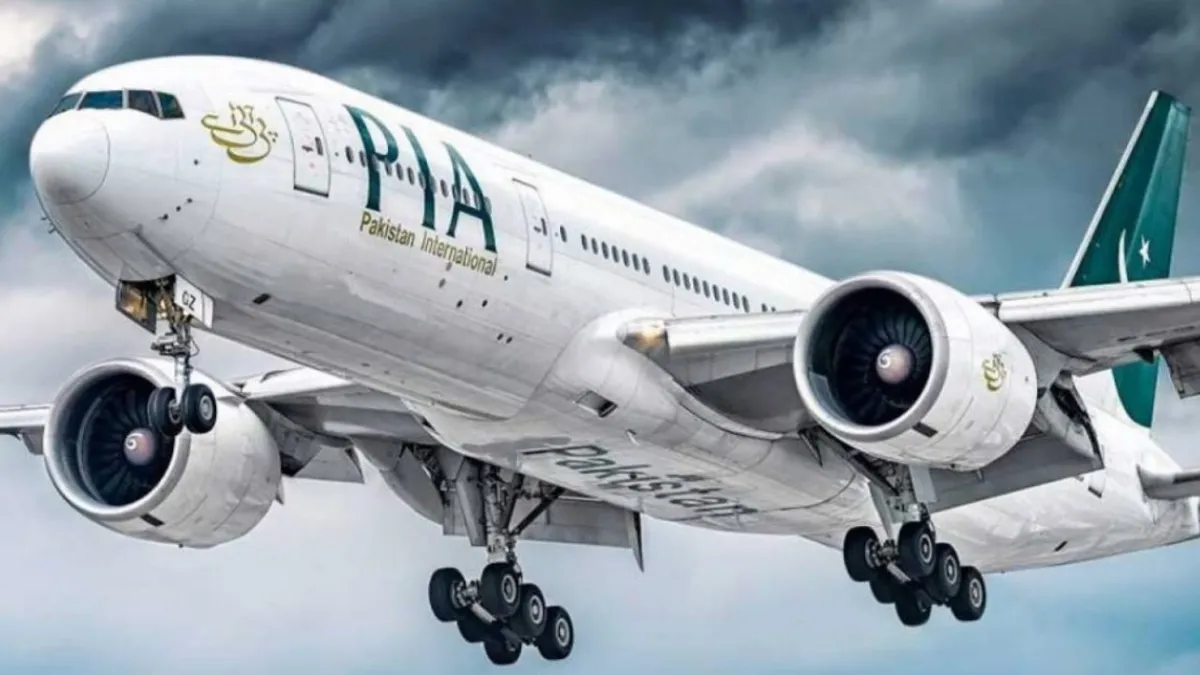
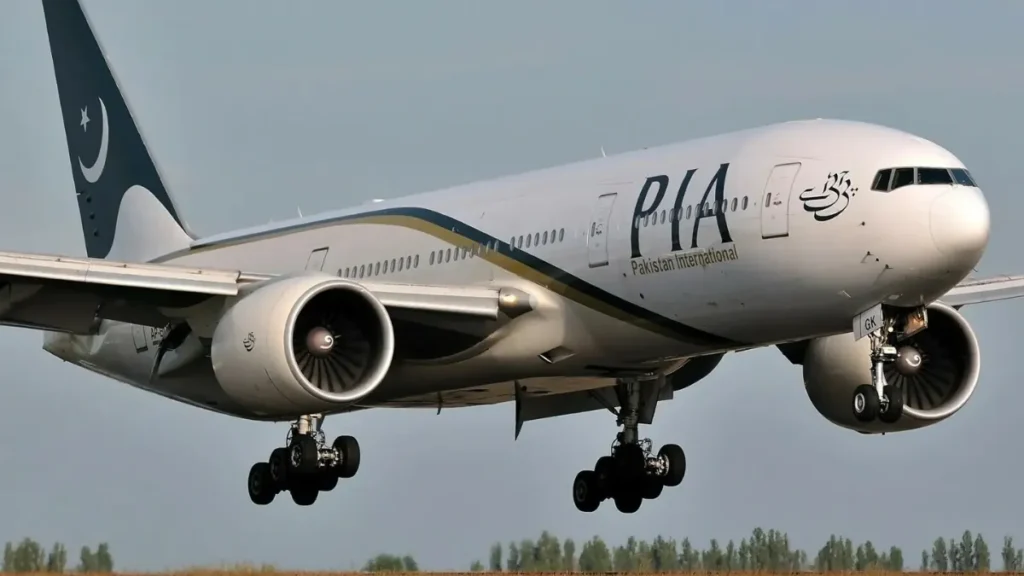
Pakistan’s decision to sell Pakistan International Airlines (PIA) for PKR 135 billion may finally halt decades of financial losses, but the deal also exposes uncomfortable truths about how the country manages national assets — and why reform so often arrives only after collapse.
An airline that symbolized decline
PIA was once a source of national pride, a pioneer in Asian aviation. Over time, it became a symbol of everything that went wrong with state-owned enterprises: political interference, overstaffing, mismanagement, and a steady drain on public finances.
Successive governments promised reform. None delivered it. By the time privatization became unavoidable, the airline had already cost taxpayers hundreds of billions of rupees in accumulated losses and bailouts.
Selling PIA at PKR 135 billion may look modest against that backdrop, but valuation is not just about assets, it reflects years of erosion in credibility, service quality, and competitive position.
Relief for the treasury, not a victory
From a fiscal standpoint, the sale offers short-term relief. The government sheds a loss-making entity and reduces pressure on an already fragile budget. For international lenders, including the IMF, the move signals willingness to confront politically sensitive reforms.
But this is not an economic triumph. It is damage control.
If PIA had been restructured even a decade earlier, the outcome, both financially and strategically, could have been very different. Selling late means selling cheap.
The human cost of delayed reform
Privatization debates often focus on numbers and balance sheets. Less discussed are the thousands of employees whose futures now depend on how responsibly the transition is managed.
Years of uncertainty, unpaid dues, and shrinking operations already hollowed out morale inside PIA. The sale does not erase those costs. It merely transfers responsibility for addressing them.
Whether workers are protected or discarded will determine how this decision is remembered beyond economic charts.
A precedent for other state-owned enterprises
PIA’s sale sets a precedent, not just for aviation, but for Pakistan’s broader state sector. Power utilities, railways, and other public entities face similar structural problems.
The lesson is not that privatization is inherently good or bad. It is that delayed reform is always expensive.
If the government treats PIA as a one-off case rather than a warning, the cycle will repeat elsewhere.
What success would actually look like
The real test of this decision will not be the sale price, but what follows:
• Does aviation service improve for passengers?
• Are public funds redirected to health, education, or infrastructure?
• Do future governments intervene less, not more, in commercial enterprises?
If the answer to those questions is no, then PKR 135 billion will look less like a solution and more like a write-off.
Bottom line
Selling PIA closes a painful chapter, but it does not absolve policymakers of responsibility for how the story reached this point. Privatization was necessary, but necessity born of neglect is not reform. It is a reckoning.
Sources
Government of Pakistan — Statements on PIA privatization
Notes
• Full terms of the sale, including liabilities retained by the state, have not been fully disclosed publicly.
• Long-term employment guarantees for PIA staff remain unclear.
• Final economic impact will depend on post-sale regulatory oversight and market conditions.