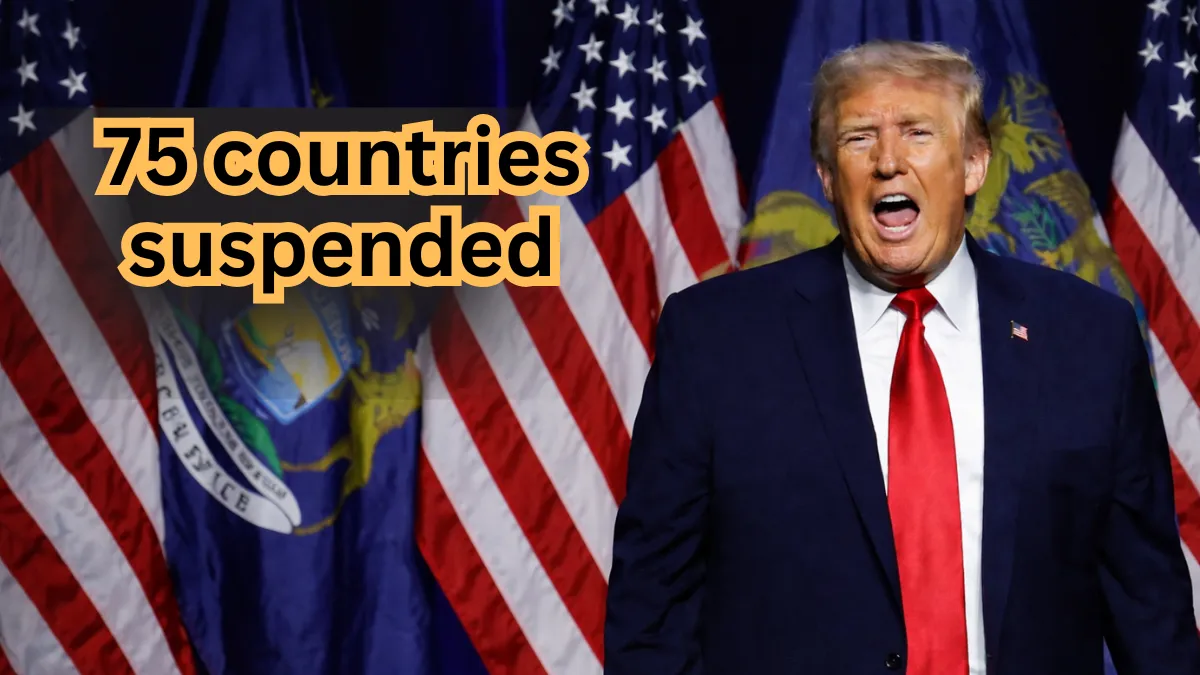
WASHINGTON — The United States is suspending immigrant visa processing for citizens of 75 countries starting January 21, 2026, halting decisions on applications while the State Department conducts a sweeping review of screening policies, officials say.
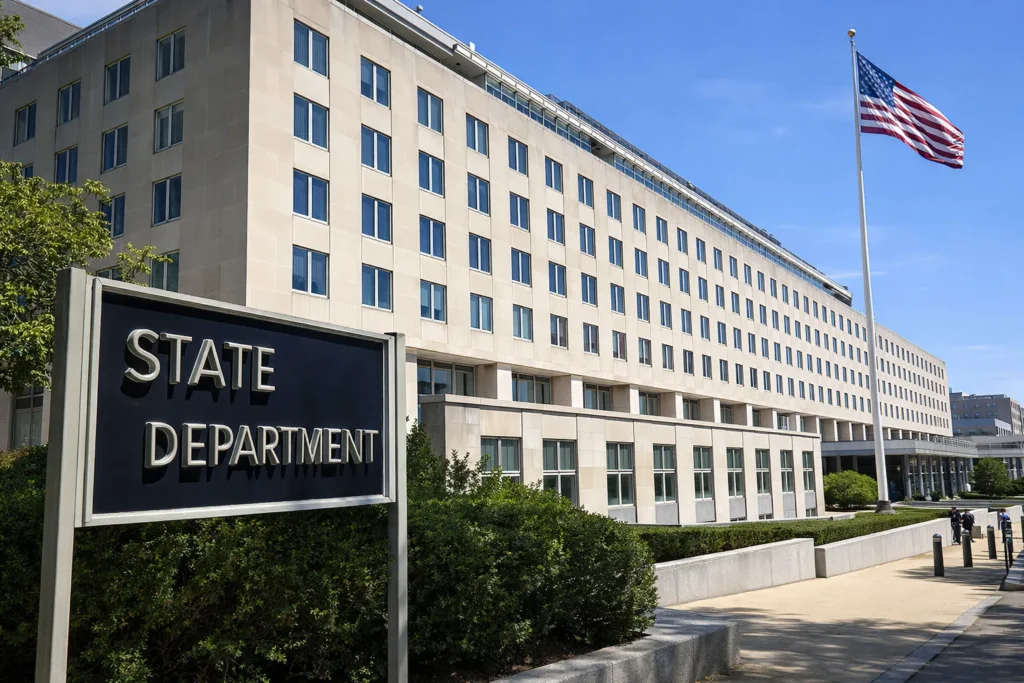
The move was announced Wednesday by the U.S. State Department. It applies only to immigrant visas — the type used by people planning to live permanently in the U.S. — and is part of a broader push to tighten immigration and ensure that applicants are financially self-sufficient and not likely to become public charges.
What the suspension means
Under the new policy, consular officers at U.S. embassies and consulates will stop processing immigrant visa decisions for nationals of the affected countries until further notice. Already approved visas that have not yet been printed may also be refused.
The suspension does not affect non-immigrant visas, which include tourist, business, student, and temporary worker categories. People planning to visit the United States for short stays are still expected to be able to apply, although enhanced vetting requirements have been signaled by the administration.
Why this is happening
The State Department frames the policy as a response to concerns that immigrants from certain countries are more likely to rely on public benefits and welfare after arriving in the United States. The so-called “public charge” rule has long existed in U.S. immigration law, but enforcement has varied across administrations. This suspension represents one of the most expansive uses of nationality-based restrictions in recent years.
A department spokesperson said the pause will remain in place while authorities reassess visa policies and improve screening procedures.
Who is affected
The list of 75 countries spans Africa, Asia, Latin America, the Middle East, Eastern Europe, and the Caribbean. It includes nations like Afghanistan, Brazil, Iran, Nigeria, Russia, Somalia, Pakistan, Bangladesh, Egypt, and Yemen among others.
Dual nationals from these countries who hold passports from nations not on the list may still be eligible for immigrant visas under certain conditions.
Broader context
This policy sharpens the Trump administration’s immigrant screening framework, following earlier restrictions on travel and tightened immigration rules. The pause comes amid debate over how best to balance border security, labor market needs, and humanitarian obligations. Domestic critics have characterized the policy as a major barrier to legal immigration. Supporters argue it protects public resources and ensures immigrants are self-sufficient.
What to watch next
- How long the visa processing suspension will last and what benchmarks the State Department will set for lifting it.
- Whether legal challenges emerge from affected countries or advocacy groups.
- Impact on family reunification and employment-based immigration streams.
- Reactions from foreign governments and diplomatic consequences.
Some outlets describe the policy as indefinite (no end date given) while the State Department describes it as a pause pending review. Evidence from a formal policy directive or Federal Register filing would clarify the intended duration.