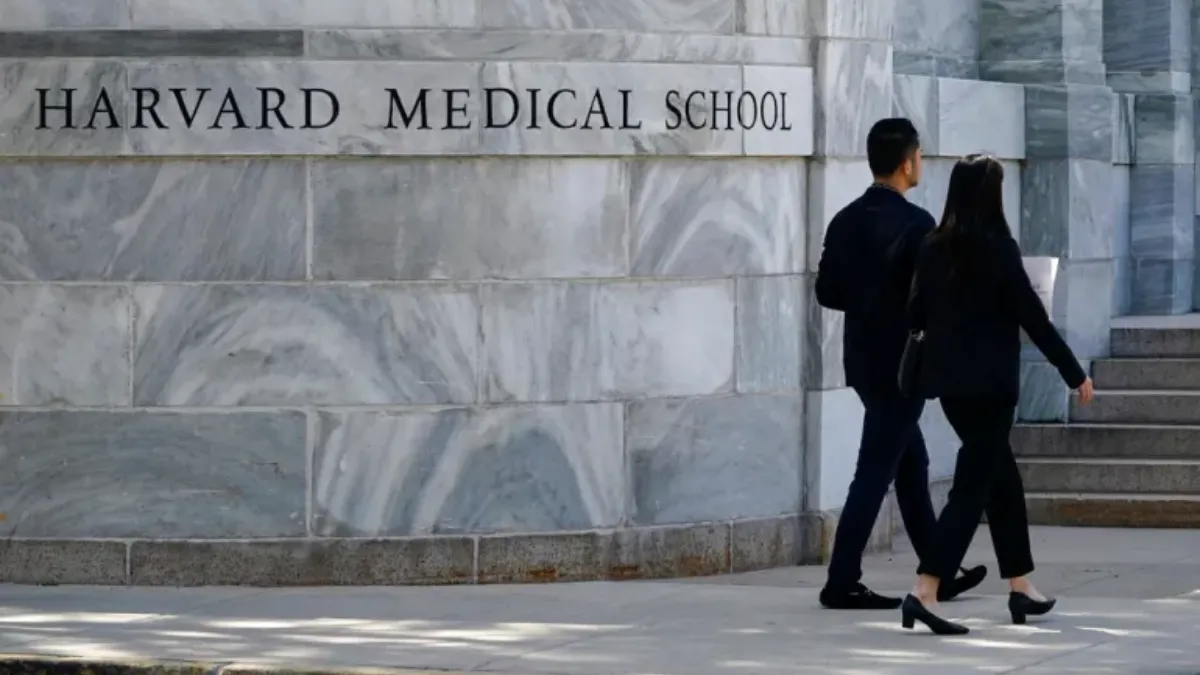
A former Harvard Medical School morgue manager has been sentenced to eight years in prison for stealing and selling human body parts from cadavers donated for medical research and education, in a case prosecutors described as shocking and deeply distressing to donor families.
Crime and sentence details
Cedric Lodge, 58, who ran the morgue at Harvard Medical School for more than two decades before his arrest in 2023, was sentenced Tuesday by U.S. District Judge Matthew Brann in Williamsport, Pennsylvania, after pleading guilty in May to interstate transport of stolen human remains. Prosecutors had sought a 10-year sentence, the maximum allowed under the law, describing Lodge’s conduct as shocking and carried out for the amusement of a disturbing “oddities” community.
The scheme
According to prosecutors, from 2018 to 2022, Lodge stole body parts — including dissected heads, faces, brains, skin and hands — from cadavers that had been donated to Harvard for research and teaching. Instead of allowing the remains to be cremated or otherwise respectfully disposed of, he transported them to his home in Goffstown, New Hampshire, where he and his wife, Denise Lodge, sold them to buyers across state lines.
Denise Lodge was sentenced to one year in prison for her role in facilitating the sale of stolen remains, admitting that she helped transport and sell the body parts obtained through her husband’s position.
Prosecutors’ and Harvard’s response
Prosecutors told the court that Lodge “caused deep emotional harm to an untold number of family members left to wonder about the mistreatment of their loved ones’ bodies.” Harvard Medical School, which fired Lodge in 2023, condemned his actions as “abhorrent and inconsistent with the standards and values” expected by donors and their families.
Wider legal context
The case has led to civil lawsuits by families of donors against Harvard for alleged mishandling of remains, with a Massachusetts appellate court allowing those suits to proceed. Independent reviews of the school’s Anatomical Gift Program are also under way.
Why it matters
The sentencing underscores both the criminality of exploiting donated human remains and the ethical duty institutions owe to donors and their families. Donations of bodies to medical schools are vital for education and research, and breaches of trust in handling them have prompted legal scrutiny, institutional reviews, and public outrage.