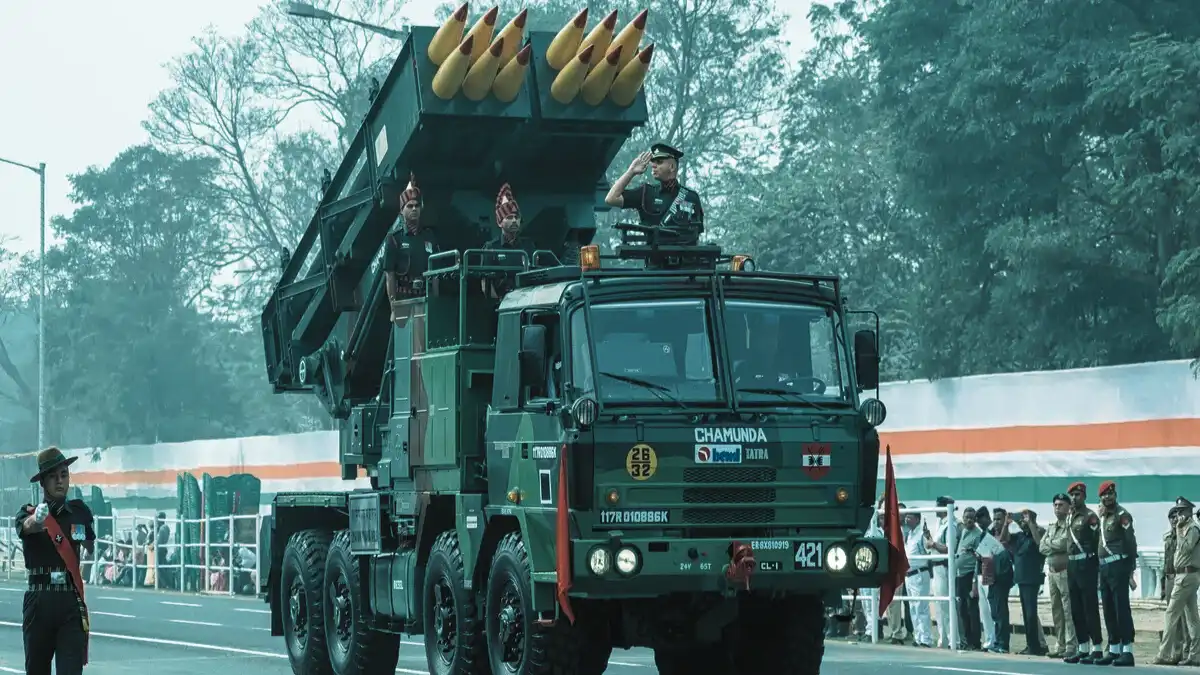
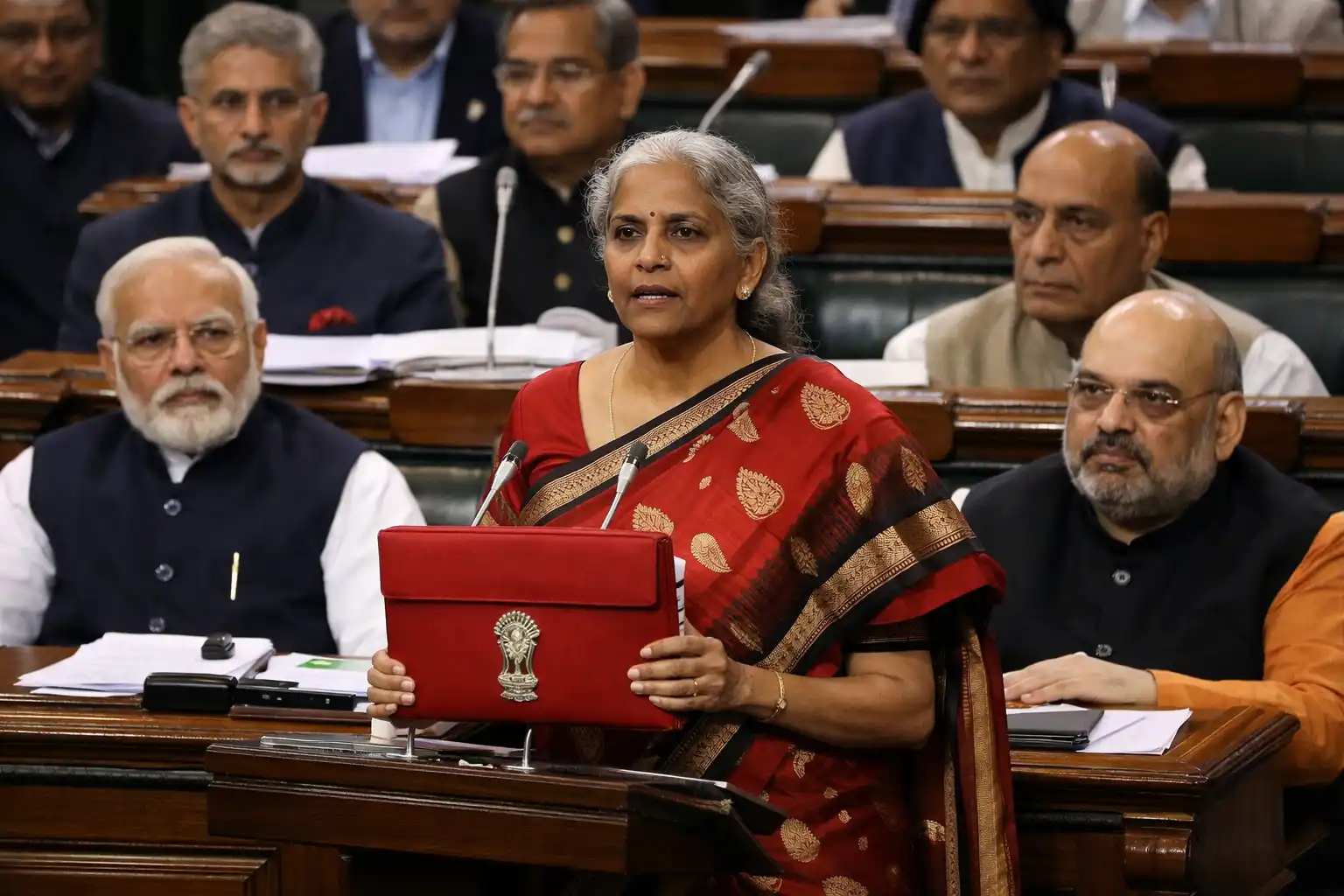
India will spend $85 billion on defense in the upcoming fiscal year, marking a nearly 15% increase from last year, Finance Minister Nirmala Sitharaman announced, as New Delhi responds to heightened security concerns following a four-day deadly conflict with Pakistan in May.
The announcement places defense spending at the center of India’s national priorities, underscoring how last year’s clash has reshaped military planning, fiscal allocations, and regional risk calculations across South Asia.
A Budget Shaped by Conflict
The May conflict with Pakistan, which lasted four days and resulted in multiple fatalities on both sides, represented the most serious military escalation between the two nuclear-armed neighbors in recent years. While both governments avoided full-scale war, the episode exposed operational gaps, readiness concerns, and escalation risks that policymakers in New Delhi appear determined to address.
The $85 billion allocation reflects more than routine inflationary adjustments. Defense analysts describe the increase as a structural shift, driven by lessons drawn from real-world combat conditions rather than long-term theoretical planning.
According to government budget documents [1], the increase is one of the largest year-on-year defense hikes in India’s recent fiscal history.
Where the Money Is Likely to Go
While the finance ministry has not released a detailed line-by-line breakdown, officials and defense planners indicate that the funding will prioritize three major areas:
- Force readiness and ammunition stockpiles, addressing shortages revealed during last year’s fighting
- Modernization of air and missile defense systems, particularly along sensitive border regions
- Domestic defense manufacturing, aligned with India’s long-standing push for self-reliance in military production
Senior military officials have repeatedly warned that legacy equipment and slow procurement cycles could undermine deterrence if left unaddressed.
Strategic Signaling to Pakistan and Beyond
Beyond practical military needs, the budget increase carries clear strategic signaling value.
For Pakistan, the message is deterrence: India is prepared to sustain and escalate military pressure if provoked. For regional and global observers, the move reinforces India’s intent to act as a major military power, capable of defending its interests amid growing geopolitical uncertainty.
Security experts note that the spending surge also fits within a broader pattern of military re-prioritization across Asia, as countries respond to unresolved border disputes, shifting alliances, and technological arms races.
Economic Trade-Offs and Domestic Debate
The expanded defense allocation comes with significant fiscal trade-offs. Critics argue that increased military spending could limit resources available for social programs, infrastructure, and climate resilience, particularly at a time of uneven global economic growth.
Supporters counter that national security underpins economic stability, and that defense investment can generate domestic jobs through local manufacturing and technology development.
The government has framed the budget as both a security necessity and an economic multiplier, though independent economists caution that the long-term returns will depend heavily on procurement efficiency and oversight.
What remains uncertain is how Pakistan will respond. Past escalations have shown that budgetary moves can trigger reciprocal military investments, raising the risk of a regional arms buildup.
For now, India’s $85 billion defense budget marks a clear turning point, one shaped not by abstract threats, but by the hard lessons of recent combat.