India’s decision to impose higher import taxes and regulatory fees on exotic animals has emerged as a significant setback for a high-profile wildlife conservation project backed by the family of billionaire Mukesh Ambani, highlighting the growing tension between conservation ambitions and stricter environmental governance.
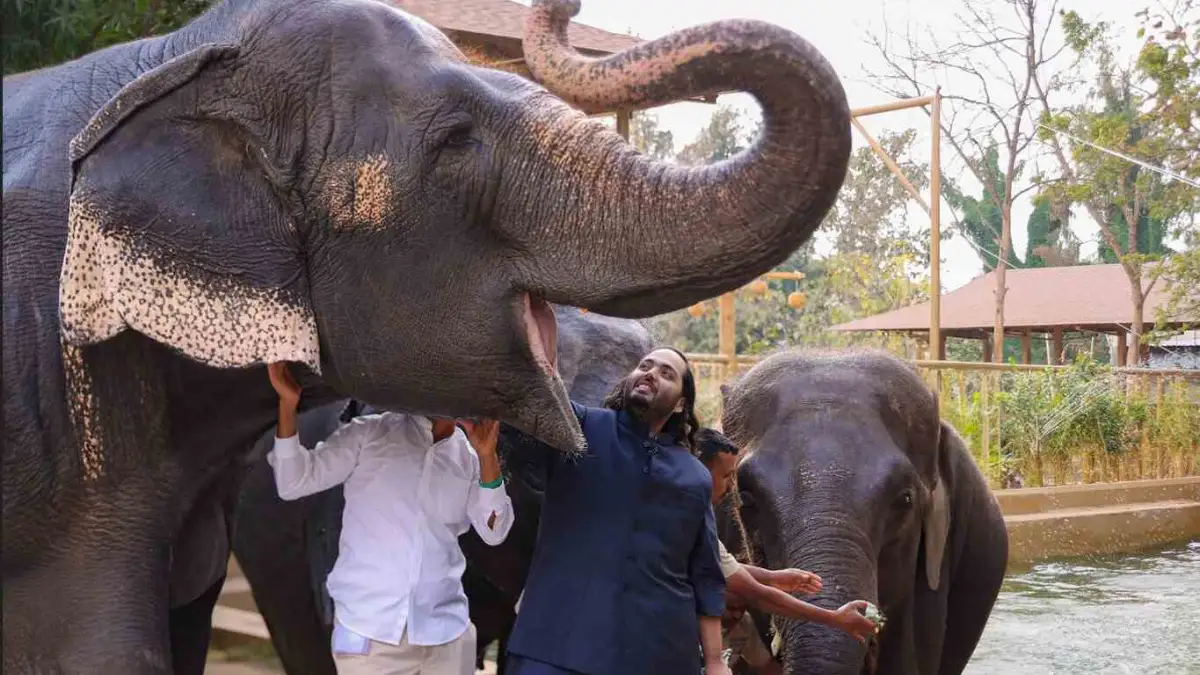
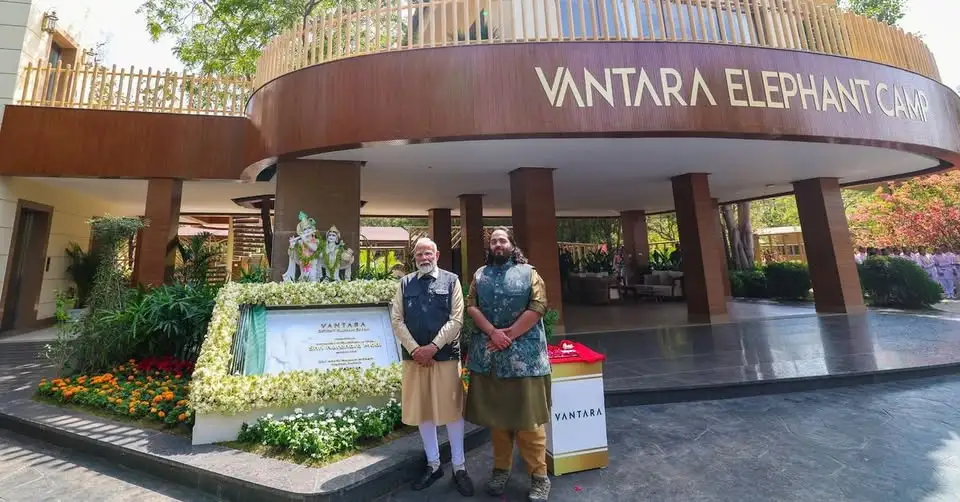
The tax changes directly affect Vantara, a vast animal rescue and rehabilitation centre being developed in Jamnagar, Gujarat, under the patronage of the Ambani family through the Reliance Industries ecosystem. The project, promoted as one of the world’s most ambitious private wildlife initiatives, relies in part on the import of endangered and exotic species for rescue, breeding, and conservation programmes.
Under the revised tax regime, imported animals are now subject to steep customs duties, compliance charges, and veterinary clearance fees, substantially increasing the cost of bringing species into India. Officials familiar with the policy say the move is aimed at discouraging commercial trade in wildlife while tightening oversight of animal welfare standards.
While the government maintains that the rules apply uniformly, the financial impact on large-scale projects like Vantara is particularly pronounced. Industry experts estimate that the new levies could raise import costs by tens of millions of dollars annually, forcing project operators to rethink acquisition plans and timelines.
The Ambani family has positioned Vantara as a non-commercial conservation initiative, designed to rescue animals from circuses, illegal captivity, and conflict zones. However, critics argue that private mega-zoos, regardless of stated intent, blur the line between conservation and luxury-driven spectacle.
Environmental activists have welcomed the stricter import framework, saying it reinforces the principle that conservation should prioritise native ecosystems over global animal transfers. “India should not become a destination for exotic wildlife imports under the banner of philanthropy,” one wildlife policy analyst said.
Supporters of the project counter that Vantara operates under government supervision and contributes significantly to veterinary research, endangered species protection, and habitat restoration. They warn that the new tax structure could unintentionally hamper legitimate rescue efforts.
For the Ambani family, the development represents an unusual challenge: a flagship philanthropic project colliding with India’s increasingly assertive environmental regulatory stance. Whether exemptions or policy adjustments follow remains unclear, but the episode underscores a broader shift — even India’s most powerful business families are no longer insulated from tightening rules on wildlife, ethics, and environmental accountability.