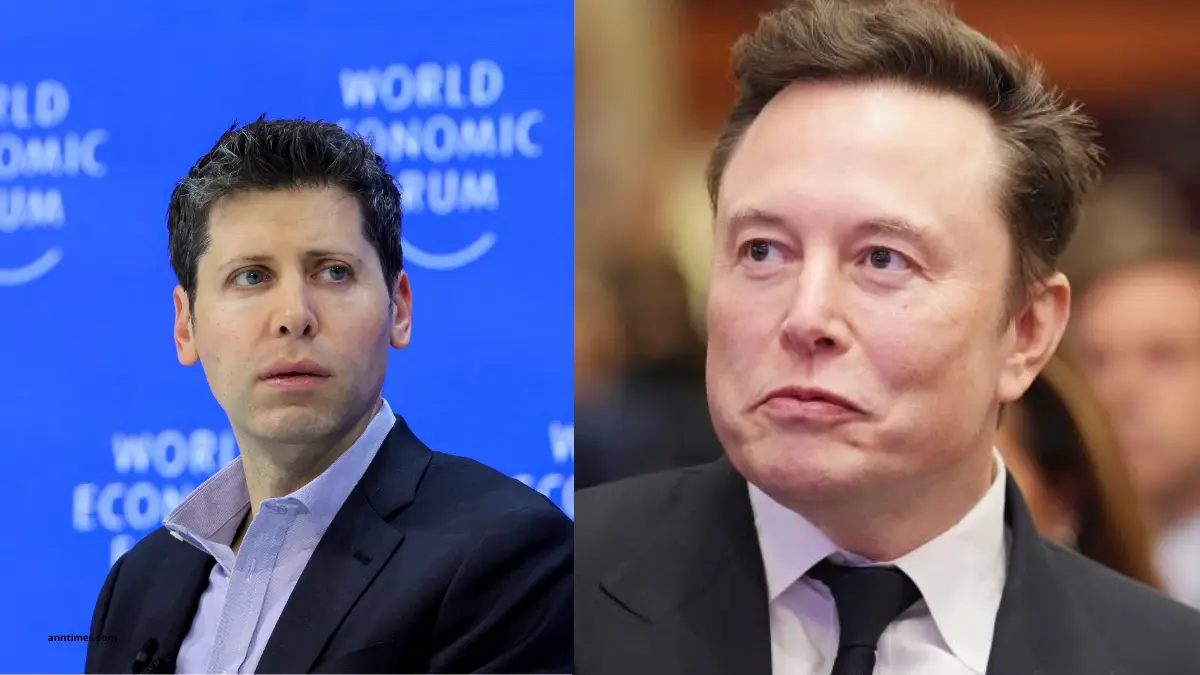
SAN FRANCISCO — Elon Musk has filed a sweeping lawsuit against OpenAI and Microsoft, seeking between $79 billion and $134 billion in damages, alleging the two tech giants earned “wrongful gains” from his early contributions to OpenAI after it abandoned its original nonprofit mission.
The demand, outlined in a federal court filing ahead of a jury trial set for April in Oakland, California, argues that OpenAI and Microsoft unjustly benefited from Musk’s foundational support of the artificial intelligence startup, which he helped launch in 2015.
What Musk Is Claiming
Musk’s legal team contends that his early involvement — including roughly $38 million in seed funding and strategic support — laid the groundwork for OpenAI’s growth into a multibillion-dollar business. According to the filing, OpenAI’s gains from his contributions total between $65.5 billion and $109.4 billion, while Microsoft’s portion ranges from $13.3 billion to $25.1 billion based on calculations by Musk’s expert witness, financial economist C. Paul Wazzan.
The lawsuit frames these earnings as unjust enrichment — “wrongful gains” that, Musk’s lawyers argue, should be disgorged because OpenAI and Microsoft profited far beyond what his initial investment might warrant.
Background of the Dispute
OpenAI was founded as a nonprofit with the mission of ensuring artificial general intelligence benefits all of humanity. Musk was an early backer but exited the board in 2018 and later launched xAI, a rival AI startup.
The case centers on Musk’s claim that OpenAI shifted away from its nonprofit roots when it embraced commercial partnerships, including a significant alliance with Microsoft. That transition, Musk argues, diluted the mission and unjustly enriched the companies at his expense.
OpenAI has dismissed Musk’s lawsuit, describing the damages claim as “unserious” and part of what it says is a broader pattern of harassment, while Microsoft has not publicly commented on the lawsuit’s merits. Both companies have filed legal responses challenging Musk’s damages calculations and expert testimony.
Next Steps in Court
A federal judge previously denied motions by OpenAI and Microsoft to avoid a jury trial, clearing the way for proceedings in April 2026 in Oakland. If the case goes to trial as scheduled, jurors will be asked to weigh whether Musk’s claims have merit and, if so, what compensation might be appropriate.
Musk may also seek punitive damages and injunctions if the jury finds liability, though specific remedies remain to be determined.
Why This Matters
- The lawsuit highlights growing tensions in the AI industry over governance and control of powerful technologies.
- A decision could influence how future disputes between founders and technology corporations are handled legally.