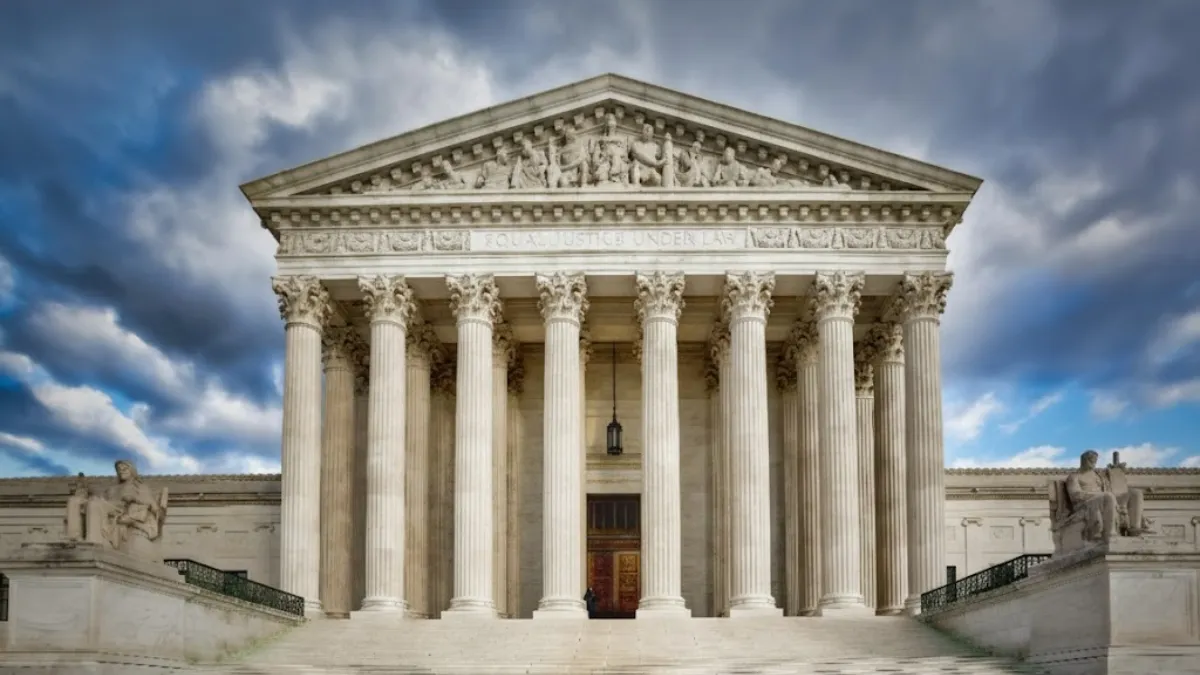
Today the United States Supreme Court (SCOTUS) heard a pivotal case that could grant Donald J. Trump sweeping authority to dismiss members of independent federal agencies at will — a power long restricted by a 1935 landmark ruling.
At issue is the firing of Federal Trade Commission (FTC) commissioner Rebecca Kelly Slaughter, removed in March 2025 by the White House before her term expired. The removal challenged the protections established under Humphrey’s Executor v. United States, the Supreme Court decision that has, for nearly a century, shielded independent-agency heads from dismissal except for cause.
During oral arguments, Justice Department lawyers argued these protections effectively turn some agencies into a “headless fourth branch” — insulated from presidential oversight and democratic accountability. The conservative justices, several of whom questioned the adequacy of Humphrey’s rationale in today’s context, appeared receptive to that argument. Chief Justice John Roberts, for example, suggested the 1935 precedent might be outdated given the far greater scope and power of modern regulatory agencies.
Liberal justices pushed back sharply. During the proceedings, Sonia Sotomayor warned that overturning Humphrey’s protections would hand the president “massive, unchecked, uncontrolled power” to dismantle or reshape independent agencies — undermining the separation of powers and Congress’s authority to set statutory protections. Justice Elena Kagan echoed concerns, cautioning against a ruling that would concentrate too much power in the executive.
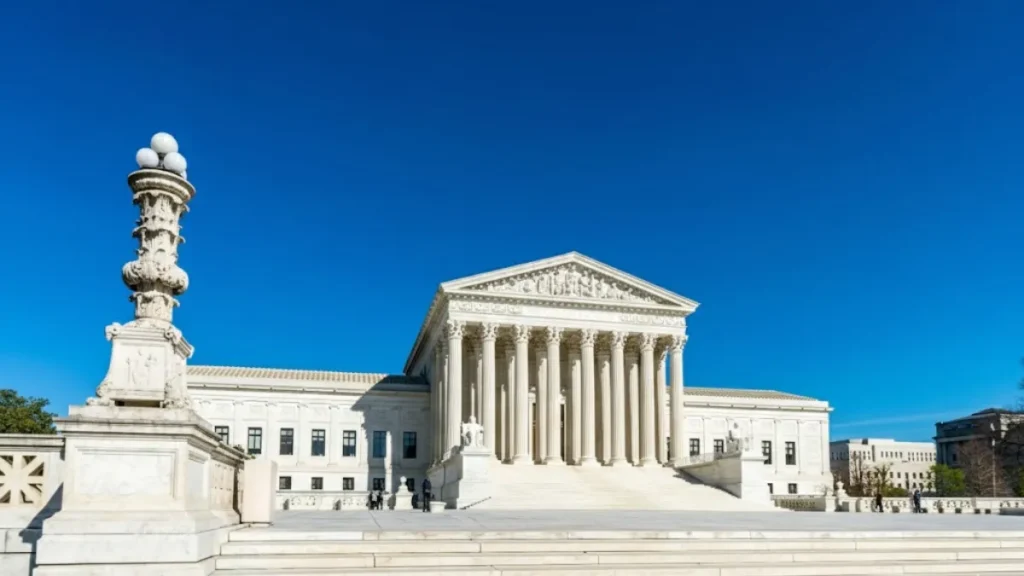
If the Court sides with the administration — a decision many legal observers now deem likely, the impact would be profound. It could affect not just the FTC, but dozens of agencies long regarded as independent, from labor and financial regulators to watchdog bodies and possibly even the Federal Reserve. The ruling could redefine the balance of power in Washington, shifting control of key regulatory decisions from experts and bipartisan commissions to whichever president holds office.
Critics warn this could lead to politicization of agencies once insulated from direct partisan influence: regulatory decisions might swing wildly with every change of administration. In the near term, the Court’s likely ruling may also embolden further attempts by the Trump administration to dismiss agency leaders and reshape Washington’s bureaucracy.
For now, all eyes are on the justices, whose decision — expected by mid-2026 — could mark one of the most significant shifts in American governance in nearly a century.