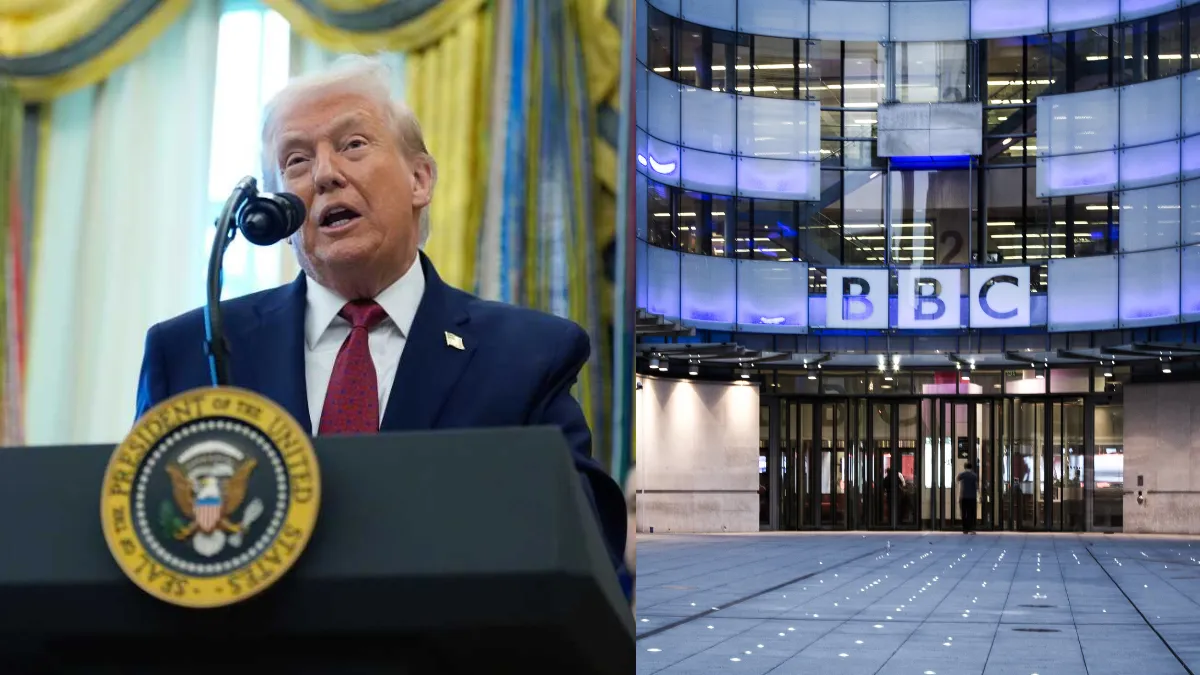
Donald Trump has escalated his long-running confrontation with the media by filing a $10bn defamation lawsuit against the BBC over an edited Panorama programme, while the British broadcaster says it will fight the case and defend its journalism.
What Trump alleges
In court filings, Trump accuses the BBC of defamation over a Panorama edit of his January 6, 2021 speech, claiming the broadcaster spliced together separate remarks in a way that falsely portrayed him as calling for violence. He has said the edit put “terrible words in my mouth that I didn’t say,” arguing it caused serious reputational and financial harm.
The lawsuit, filed in a U.S. federal court, seeks up to $10bn in damages and argues the edit went beyond journalistic interpretation into deliberate misrepresentation. Trump’s legal team contends the programme crossed a legal line by presenting a misleading narrative to viewers.
BBC response and stance
The BBC has said it will contest the lawsuit. While the broadcaster has previously acknowledged that the Panorama edit was an editorial mistake and apologised for it, the BBC maintains that the programme was not defamatory and that the claim has no legal basis.
In a statement, the BBC said it stands by its journalism and will defend itself in court. Executives have argued that acknowledging an error does not amount to accepting defamation, and that the broadcast does not meet the high threshold required under U.S. law.
Legal context and hurdles
Under U.S. law, public figures such as Trump must prove “actual malice” to succeed in a defamation claim. That means demonstrating the BBC knowingly published false information or acted with reckless disregard for the truth. Legal analysts say this standard presents a substantial challenge for Trump’s case, particularly given the broadcaster’s public correction and apology.
Jurisdiction is also expected to be contested. The BBC is a UK public broadcaster, and Panorama is primarily aimed at a British audience. Whether a U.S. court accepts jurisdiction, and how it weighs cross-border editorial decisions, could be pivotal.
Why this case matters
Beyond the personalities involved, the lawsuit has become a test case for the boundaries between editorial judgment and defamation, especially in an era of global media distribution. Media law experts say a successful claim could have a chilling effect on investigative journalism, while a failed case would reinforce protections for broadcasters covering powerful political figures.
The dispute also underscores growing tensions between political leaders and public broadcasters, and raises questions about how mistakes are handled in high-stakes reporting without opening the door to punitive litigation.
What to watch next
• Court decisions: Early rulings on jurisdiction and motions to dismiss. • Defamation standards: How the court applies the actual malice test. • BBC defence: The broadcaster’s legal strategy and reliance on editorial corrections. • Broader impact: Potential implications for international media operating in the U.S.