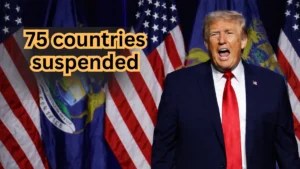
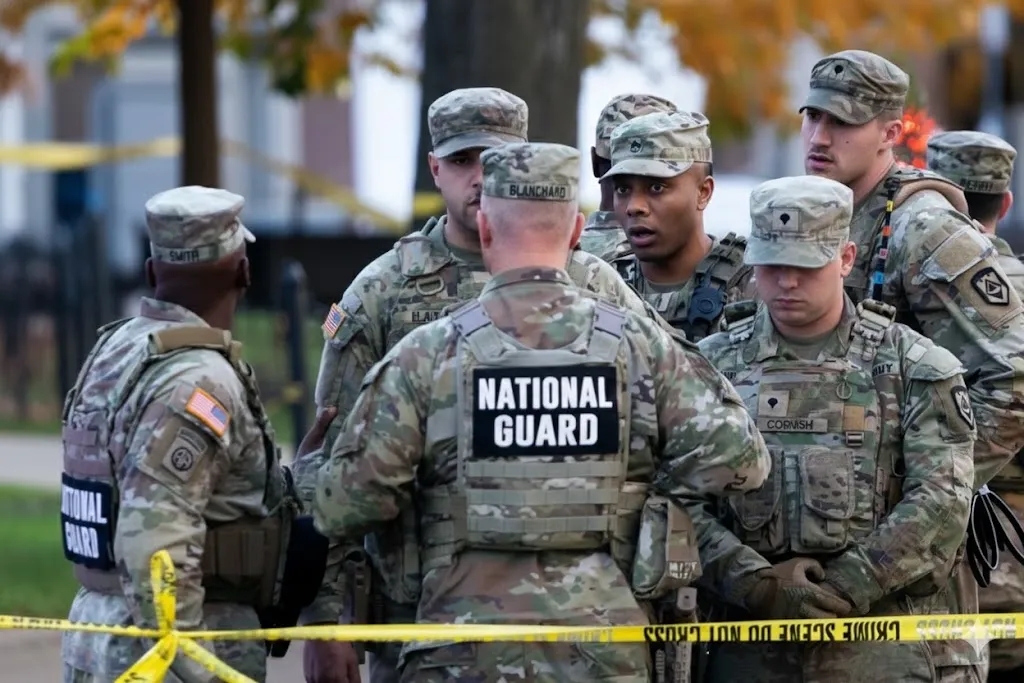
On November 26, 2025, the United States announced an indefinite suspension of all immigration requests from Afghan nationals, hours after a shooting near the White House in Washington, D.C., in which two members of the West Virginia National Guard (deployed to D.C.) were critically wounded. The suspected gunman, identified as Rahmanullah Lakanwal, is an Afghan national who entered the country in 2021 under Operation Allies Welcome, the evacuation and resettlement programme initiated after the U.S. withdrawal from Afghanistan, the Guardian reports.
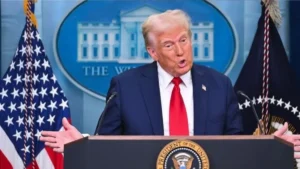
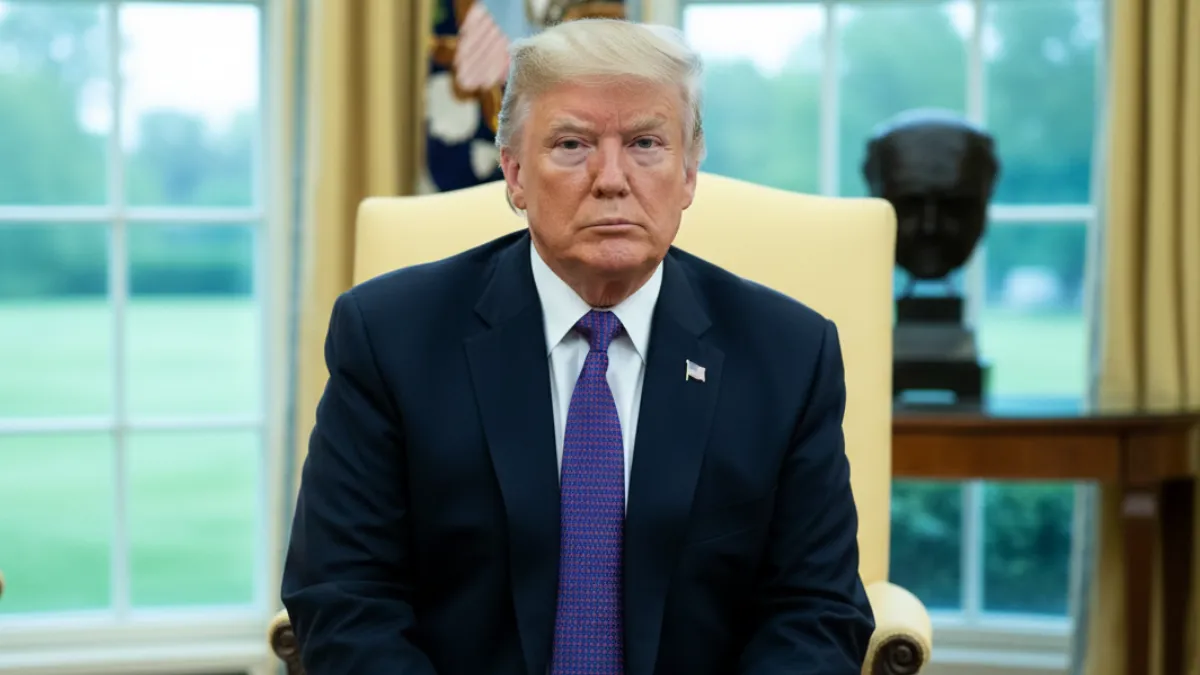
The suspension, ordered by U.S. Citizenship and Immigration Services (USCIS) — came into effect “immediately,” with the agency announcing on social media that all pending Afghan-related applications are now on hold while security and vetting protocols are re-examined. In a televised statement, Donald J. Trump, President of the United States, described the shooting as “an act of terror” and pledged to re-evaluate “every single” Afghan immigrant admitted under previous administrations, particularly under policies implemented during the presidency of Joe Biden.
Authorities say the review will consider the immigration status of those who entered under Operation Allies Welcome or other Afghan-resettlement mechanisms, including asylum seekers, Special Immigrant Visa (SIV) holders, and other categories.
The abrupt policy shift has triggered concern and fear among thousands of Afghans — both those already in the United States and many still waiting abroad. For many refugees, their applications had represented a last hope for safe resettlement away from conflict or persecution. According to advocacy groups, the freeze threatens to leave hundreds of thousands in limbo, especially amid deteriorating conditions in Afghanistan and neighboring countries.
Critics argue the move effectively punishes all Afghan applicants for the actions of a single individual, and say it risks undermining long-standing commitments to people who helped U.S. forces during the war in Afghanistan. Advocates warn that many former Afghan allies, interpreters, translators, support staff and others, now face renewed uncertainty and danger.
At the same time, supporters of the suspension stress national security, arguing that the shooting exposed gaps in vetting processes that must be addressed. The administration says it aims to prevent similar attacks and protect American citizens while re-assessing how admissions from conflict zones are handled.