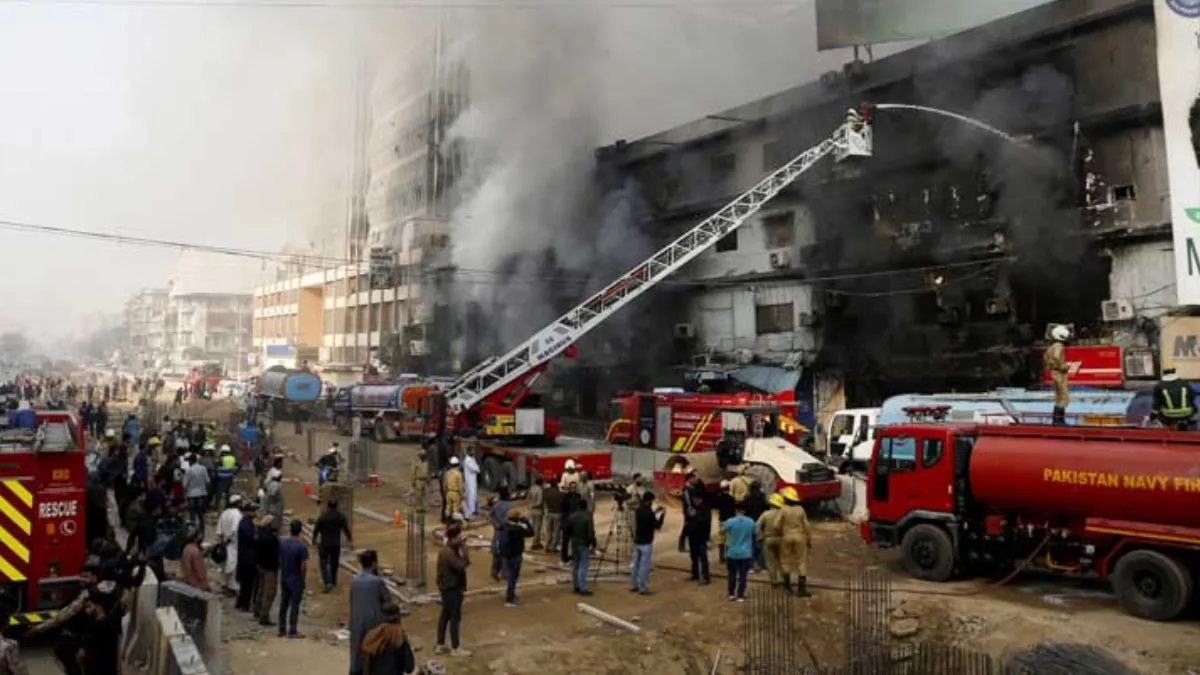
KARACHI — A large overnight Karachi shopping mall fire tore through Gul Plaza on M.A. Jinnah Road, killing at least six people and injuring multiple others, as firefighters fought for hours to contain flames moving through tightly packed shops stocked with flammable goods, officials said.
Authorities said the death toll includes a firefighter who died during the response, while several victims were found inside the building and its basement after the blaze spread rapidly through the multi-storey complex.
The incident has revived scrutiny of fire safety enforcement in Karachi’s older commercial districts, where dense construction, storage practices, and limited access routes can turn a single ignition into a multi-hour emergency.
Five load-bearing claims that define the story
- The fire erupted late Saturday night at Gul Plaza in Karachi’s downtown area and spread quickly through the building.
- Officials confirmed at least 14 deaths, including a firefighter, and reported injuries treated at city hospitals.
- The cause is not officially confirmed; authorities said an investigation will proceed once conditions allow, with some officials voicing suspicion of an electrical fault.
- The plaza contains roughly 1,200 shops, many storing combustible items such as plastics, garments, and cosmetics, which likely accelerated fire spread.
- Parts of the structure showed signs of damage and collapse, and officials voiced concern about structural stability as suppression continued.
What’s verified so far about deaths and injuries
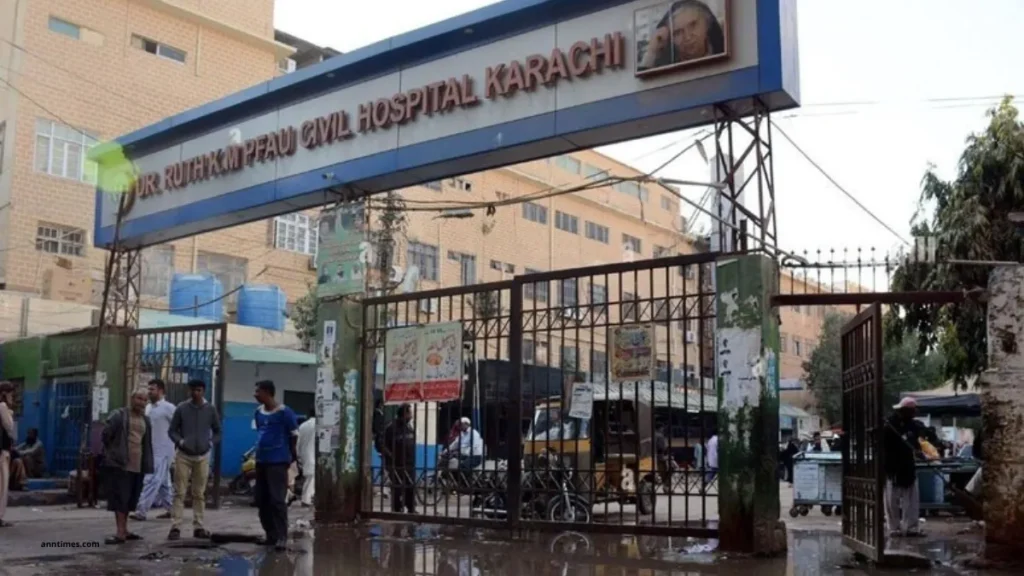
Karachi officials confirmed six fatalities, according to hospital and rescue reporting carried by Reuters and the Associated Press. Reuters cited Karachi’s police surgeon, Dr. Summaiya Syed, saying six bodies were brought to Civil Hospital Karachi, alongside 22 injured people, prompting activation of mass disaster protocols.
AP reported that responders recovered five bodies from the building and basement, and that a firefighter later died while working on upper floors. That split detail matters because it suggests the recovery operation evolved over many hours and that casualty reporting may continue to update as access improves.
Officials and rescue teams also warned that more victims could still be unaccounted for, with families searching for missing relatives and responders working in difficult conditions due to smoke and heat.
How the blaze unfolded
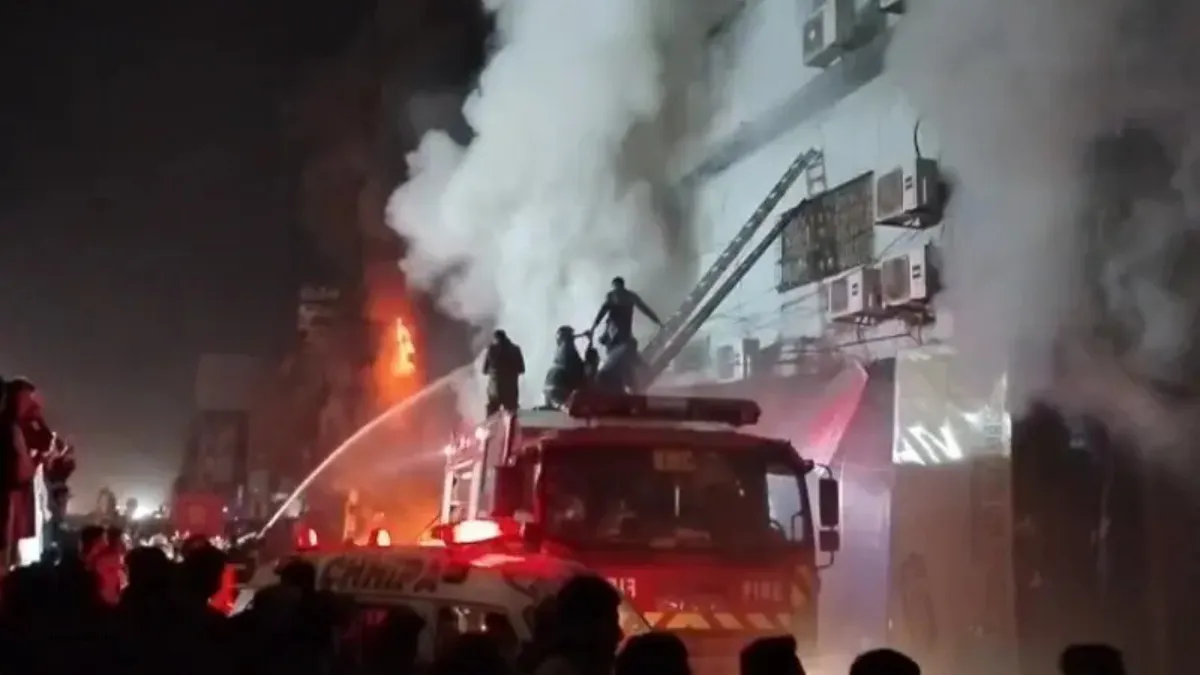
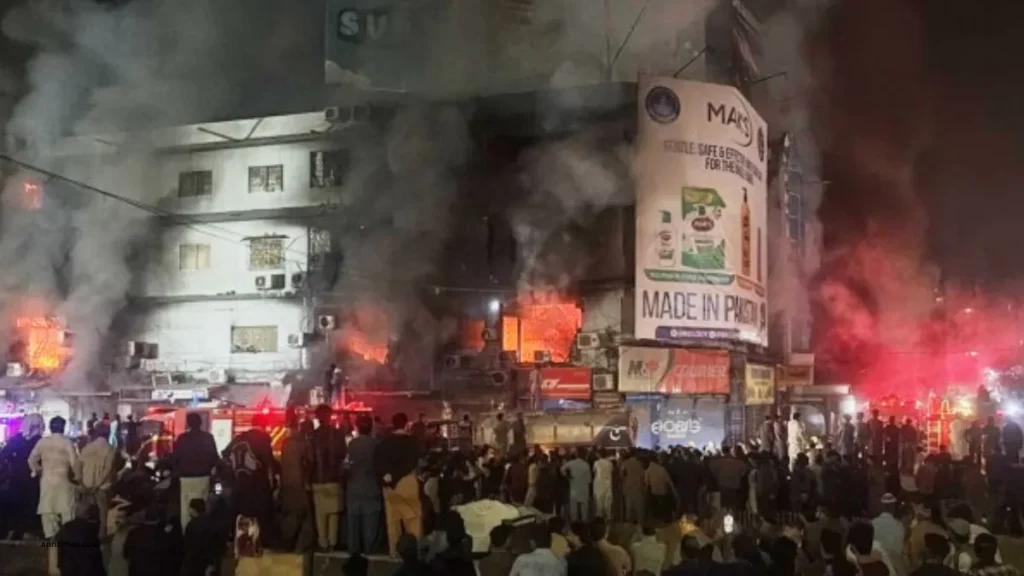
Reports based on local official briefings place the start of the fire at around 10 p.m. Saturday, with Reuters specifying roughly 10:38 p.m. as flames were first seen in ground-floor shops before racing upward. By the time rescue personnel arrived, the structure was described as largely engulfed, forcing firefighters to prioritize containment to prevent the blaze from jumping into the surrounding commercial blocks.
Into Sunday morning, crews were still fighting hotspots. AP cited Karachi rescue leadership saying the fire was mostly controlled but not fully extinguished, and that smoke and heat complicated access to interior floors.
The building and the fire load: why it spread fast
Gul Plaza is described as a multi-storey shopping center with roughly 1,200 shops, many selling or storing combustible merchandise such as garments, cosmetics, plastics, and household items. Firefighters and rescue officials repeatedly flag this mix as a key factor in rapid spread: once flames reach dense stockpiles, heat builds quickly, smoke thickens, and interior navigation becomes dangerous even for trained crews.
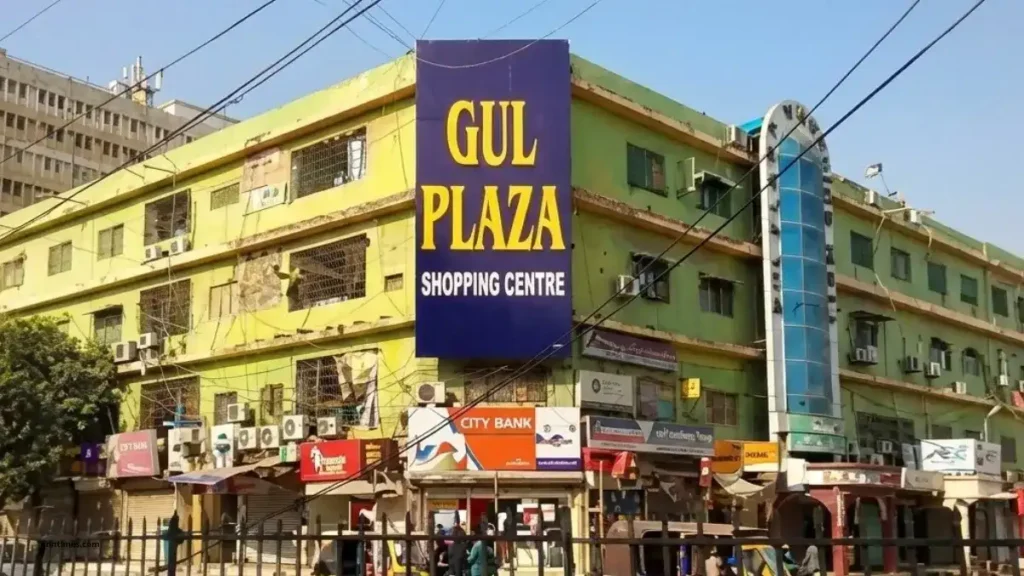
Reuters also noted that footage showed flames leaping from the structure while owners watched their businesses burn, a sign of the intensity and the difficulty of suppressing a fire once it takes hold across multiple floors.
Cause of the fire: what’s confirmed vs. what’s suspected
Confirmed: Authorities have not issued an official, final cause determination. Both Reuters and AP reported the cause was not immediately known and would be investigated once the fire was controlled and the site became safe for inspection.
Suspected (not confirmed): Some officials have pointed to the possibility of an electrical short circuit originating in lower-floor shops, but this remains preliminary until investigators examine wiring, breaker systems, and ignition patterns. Local reporting has also referenced prior fire incidents at or around Gul Plaza historically attributed to electrical faults, underscoring why investigators may scrutinize the building’s electrical load and maintenance history.
What would settle it: A formal fire investigation report detailing the origin point, ignition source, and contributing factors (electrical, storage, structural, human activity) would be needed, ideally supported by forensic examination of wiring, CCTV, witness statements, and electrical inspection records.
Condition of the building after the fire
Officials and journalists on scene described heavy smoke, severe internal damage, and signs of partial collapse, with Reuters reporting concern about the risk of broader structural failure. AP similarly reported images showing smoke and damage as crews worked through the night and into the day.
What’s important here is the sequence: as long as sections remain hot and unstable, investigators cannot safely enter, and victims may remain inaccessible. That is one reason officials repeatedly caution that toll figures can change after fires in multi-storey structures.
The rescue operation: who responded and what made it difficult
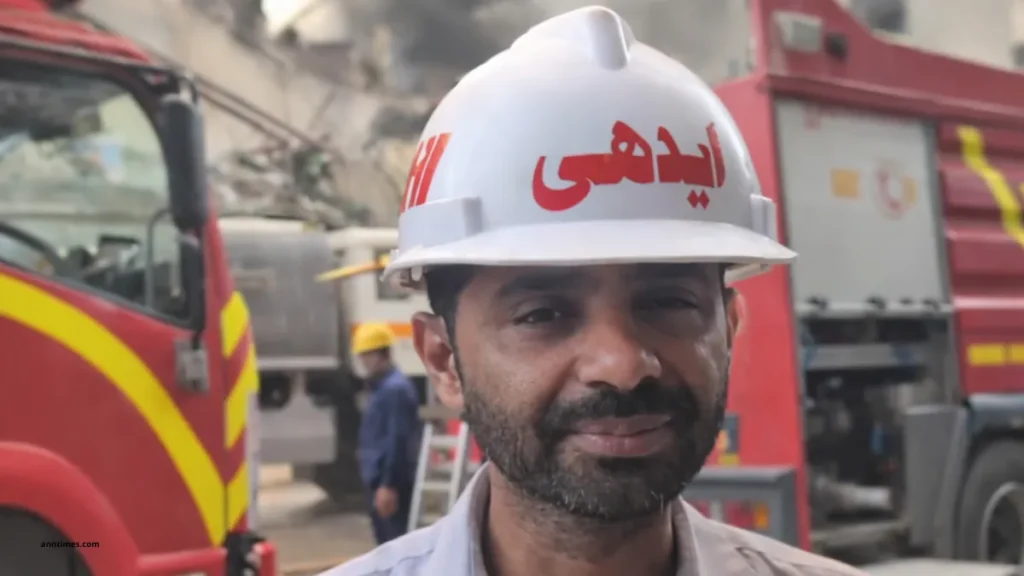
Firefighters deployed ladder trucks, water cannons, hoses, and interior teams where conditions permitted, according to AP’s reporting of local rescue officials. The building’s location in a crowded commercial zone also raised operational challenges: access for multiple fire tenders, water supply logistics, crowd control, and the need to keep surrounding buildings from igniting.
The confirmed death of a firefighter also underscores the hazard profile of large structure fires: smoke inhalation, flashover conditions, falling debris, and compromised stairwells can turn routine procedures into lethal risks.
Why Karachi keeps seeing deadly building fires
This section is analysis, based on patterns described in reputable reporting and official statements.
Karachi has faced repeated catastrophic fires over the years, and the common themes are familiar: aging electrical systems, overloaded circuits, combustible storage in tight spaces, limited enforcement of fire codes, and buildings operating without adequate extinguishers, alarms, sprinklers, or accessible exits. AP explicitly notes Karachi’s history of fatal fires tied to inadequate safety standards and unauthorized construction.
In older commercial corridors, even modern firefighting struggles when roads are narrow, hydrants are limited, and buildings are packed with goods stacked to ceilings. Once flames reach those inventories, fire growth can outpace suppression for critical early minutes, turning a small ignition into a city-scale emergency.
What to watch next
- Official cause findings: Whether investigators confirm an electrical fault or identify another ignition source once the site is safe.
- Revised casualty figures: Whether additional bodies are recovered or injuries worsen in hospital.
- Structural assessment: Whether engineers deem the building safe, partially demolish sections, or seal it entirely.
- Accountability measures: Any orders for inspections of nearby markets, code compliance crackdowns, or criminal negligence cases if violations are found.