
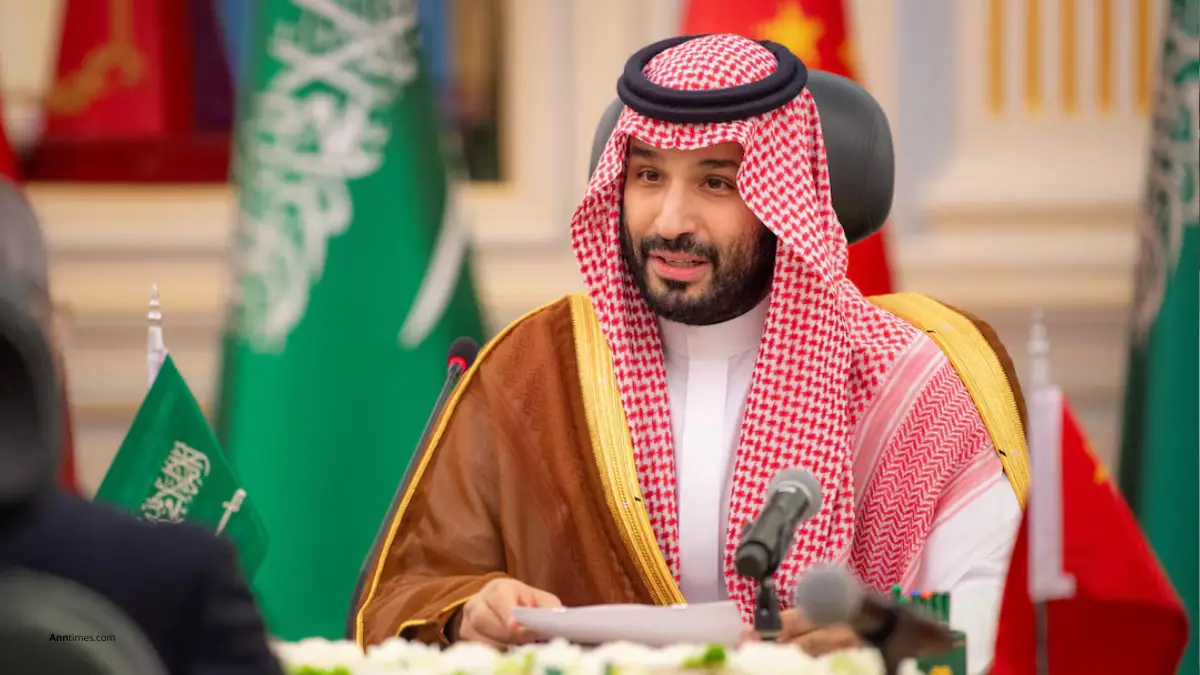
Saudi Arabia is expanding its search for capital by turning to some of the kingdom’s wealthiest business families, as the government seeks to ease mounting pressure on public finances and secure funding for the next stage of Crown Prince Mohammed bin Salman’s economic overhaul, according to people familiar with the strategy.
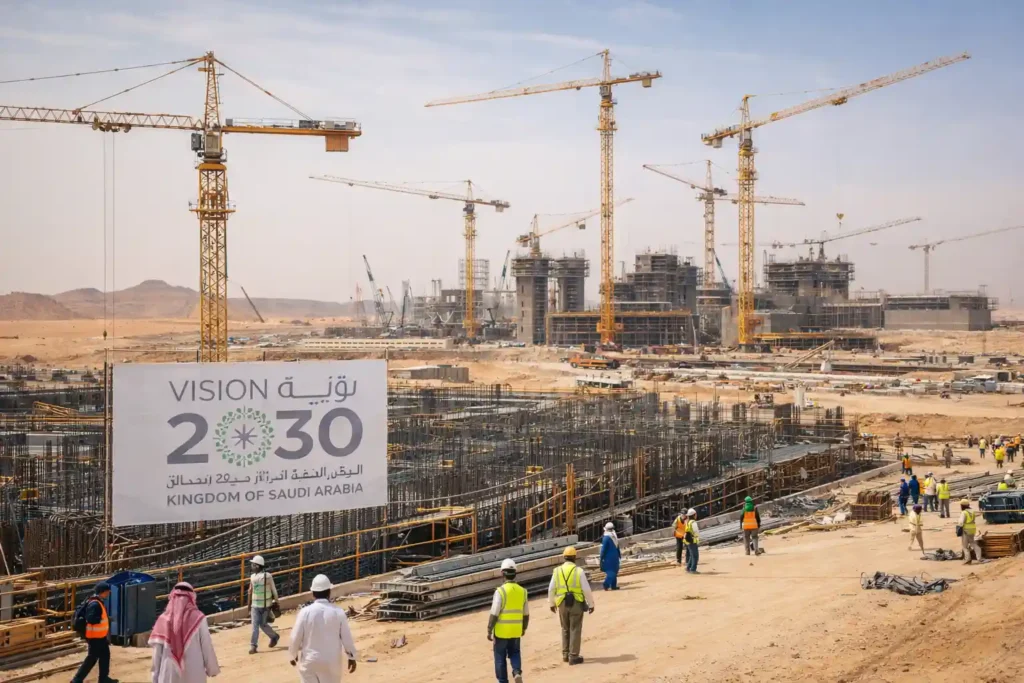
The move reflects the growing financial demands of Vision 2030, the sweeping plan to reduce Saudi Arabia’s dependence on oil by investing heavily in infrastructure, tourism, industry and technology. While the government has relied heavily on the Public Investment Fund (PIF) and state borrowing to bankroll the transformation, officials are now increasingly looking to private domestic wealth to help share the burden.

Saudi Arabia’s largest family-owned conglomerates dominate sectors ranging from construction and retail to logistics and manufacturing. Officials see them as natural partners for co-investment in large-scale projects, particularly as oil revenues fluctuate and global financing conditions tighten. Encouraging private capital participation also aligns with the government’s stated goal of boosting the role of the private sector in economic growth.
Pressure on public finances
Despite a rebound in oil prices in recent years, Saudi Arabia faces rising fiscal pressure from the sheer scale of its development ambitions. Mega-projects such as NEOM, new tourism resorts and urban developments require sustained funding over many years, while government spending has remained elevated to support growth and social programmes.
According to Reuters, authorities are increasingly conscious that relying solely on sovereign funds and debt markets may not be sufficient or sustainable, prompting outreach to domestic investors with deep pockets and long-term horizons.
A delicate balance
Analysts say the strategy highlights a delicate balancing act for Riyadh. On one hand, tapping family wealth could reduce pressure on the state and strengthen buy-in from powerful business elites. On the other, it risks exposing private fortunes to projects that may take years to generate returns, especially in sectors still being built from scratch.
Some business leaders have privately expressed caution, seeking clearer commercial terms and assurances on governance before committing large sums, people familiar with the discussions said.
Broader implications
The push underscores how Saudi Arabia’s economic transformation is entering a more demanding phase, where funding needs are rising even as global investors become more selective. By mobilising domestic capital, the government hopes to maintain momentum while reinforcing the message that Vision 2030 is a shared national project rather than a purely state-driven one.