
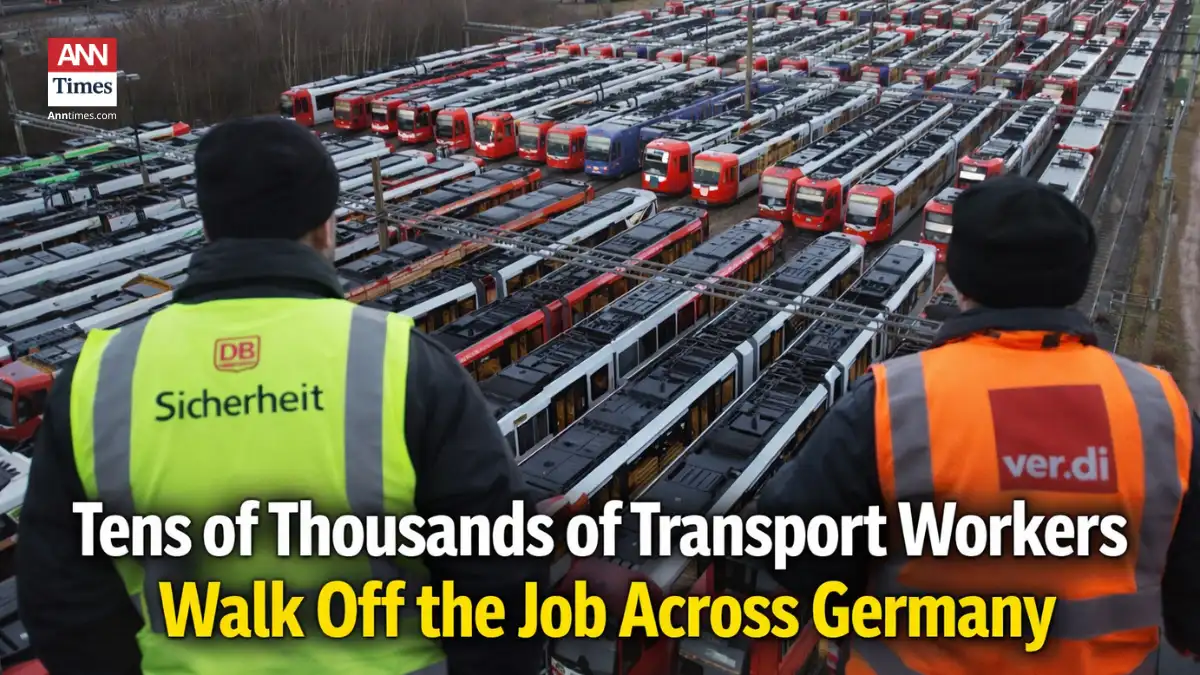
Tens of thousands of public transport workers walked off the job across Germany on Monday, triggering widespread disruption to bus and tram services in major cities as labour talks over pay and working conditions broke down.
The nationwide strike, called by the powerful trade union Verdi, affected services in 15 of Germany’s 16 federal states, underscoring mounting pressure on local governments amid rising costs, staff shortages, and growing worker dissatisfaction.
Major Cities Brought to a Standstill
The walkout hit urban transport networks in cities including Berlin, Hamburg, Munich, Cologne, Frankfurt, Stuttgart, Karlsruhe and Bremen, with many commuters left scrambling for alternatives as buses and trams failed to operate throughout the day.
Verdi said the strike involved workers from around 150 municipal transport companies, describing it as one of the largest coordinated actions in Germany’s local transport sector in recent years. Some cities warned of near-total shutdowns of surface public transport, while emergency timetables proved insufficient to meet demand.
Dispute Centers on Pay and Working Conditions
At the heart of the dispute are wage demands, shorter shifts, longer rest periods, and higher compensation for night and weekend work. Union representatives argue that transport workers are being stretched to breaking point as staffing levels fail to keep pace with passenger demand.
Verdi negotiators say talks with municipal and state employers have stalled, accusing authorities of underestimating the physical and psychological strain placed on frontline transport staff.
Employers, for their part, have warned that meeting the union’s demands would place heavy financial strain on already stretched public budgets, particularly for cities grappling with inflation and rising energy costs.
Rail Services Largely Unaffected
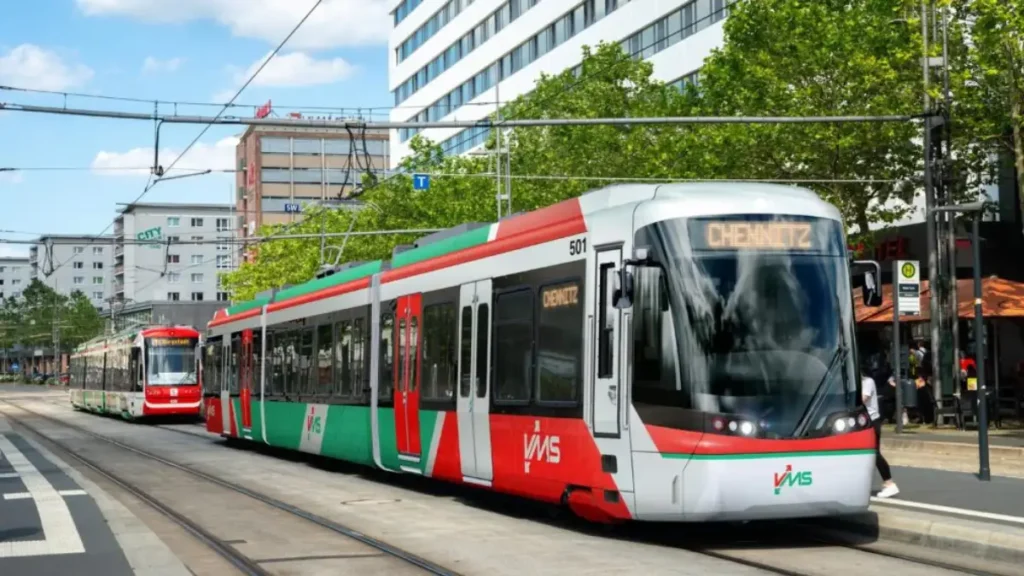
Germany’s national rail operator Deutsche Bahn said its long-distance and regional train services, including the S-Bahn, were not directly affected by the strike, as railway workers fall under separate labour agreements.
However, transport analysts noted that the shutdown of city buses and trams still created severe knock-on effects, especially for commuters relying on local connections to reach rail hubs.
Political Pressure Builds as Talks Loom
The strike adds to a broader wave of labour unrest in Germany, where unions across sectors have pushed back against stagnant wages and deteriorating working conditions following years of economic shocks.
Verdi has warned that further strikes remain possible if no progress is made when negotiations resume next week. With public frustration growing and elections approaching in several regions, political pressure is mounting on local authorities to reach a compromise.
For now, Germany’s cities face another reminder of how vulnerable daily life becomes when essential public services grind to a halt, and how unresolved labour disputes can rapidly escalate into nationwide disruption.