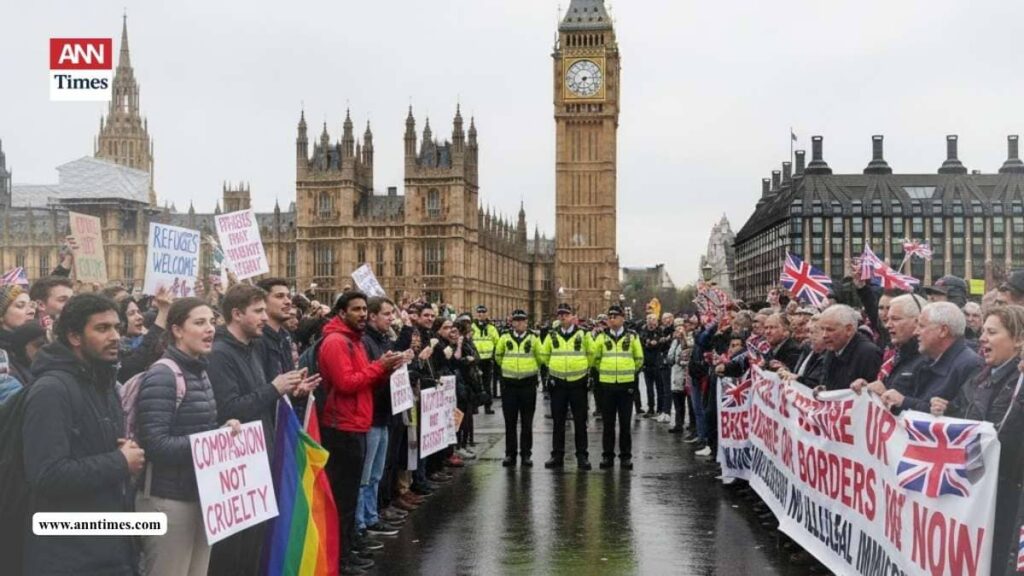
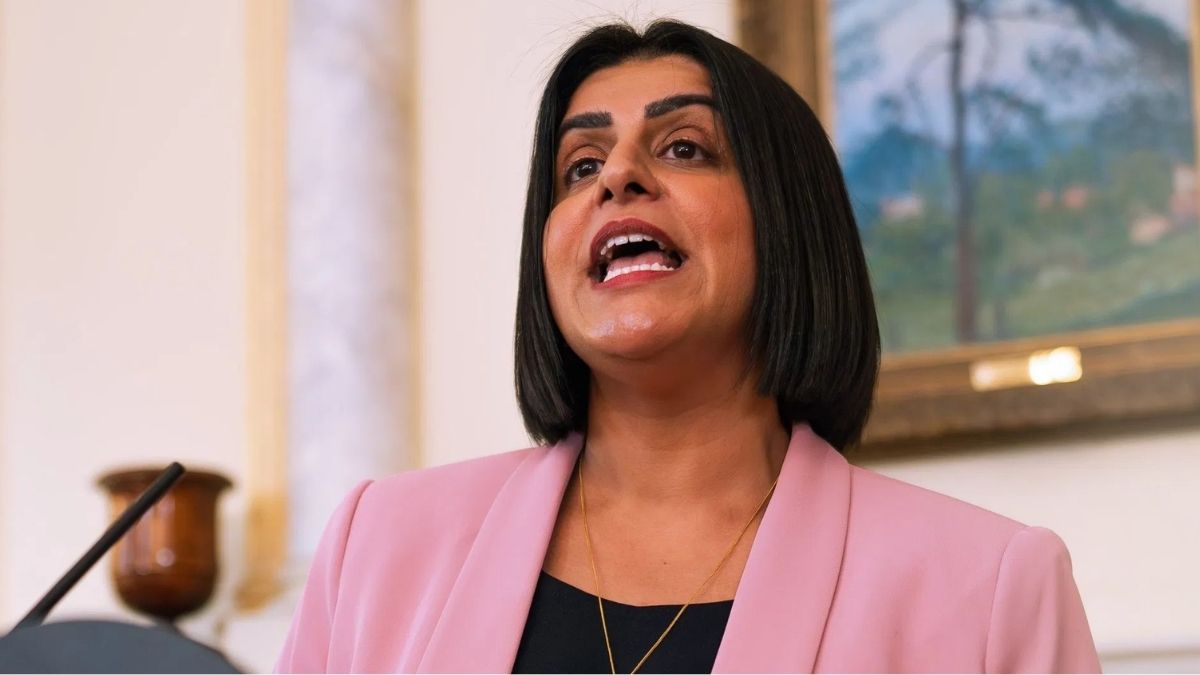
In a stark pivot from Labour’s progressive manifesto pledges, Home Secretary Shabana Mahmood vigorously defended sweeping asylum reforms on November 16, 2025, framing them as a necessary bulwark against the “destructive tide” of irregular migration. The proposals—centered on temporary refugee status, the curtailment of automatic benefits, and extended waits for permanent residency—signal a pragmatic, if contentious, recalibration of the party’s immigration stance amid mounting political pressures.
The Reforms Unveiled
Mahmood’s blueprint, laid out during a fiery House of Commons session, replaces indefinite leave to remain with provisional protections lasting up to five years, renewable only at the discretion of the Home Office. Refugees would face a grueling 20-year probationary period before qualifying for long-term residency, with provisions to expedite returns to home countries once conditions stabilize—a mechanism designed to “incentivize safe repatriation” and deter perilous Channel crossings.
Central to the overhaul is the shift from entitlement-based support to discretionary aid, ending what Mahmood termed “perverse incentives” that perpetuate asylum shopping. “We cannot allow unchecked arrivals to fracture communities or strain public services,” she asserted, invoking the humanitarian crisis of over 45,000 small-boat arrivals in 2024 alone. The measures, she argued, would reclaim sovereignty over borders while upholding the UK’s proud tradition of sanctuary for the truly persecuted.
Inspiration from Copenhagen
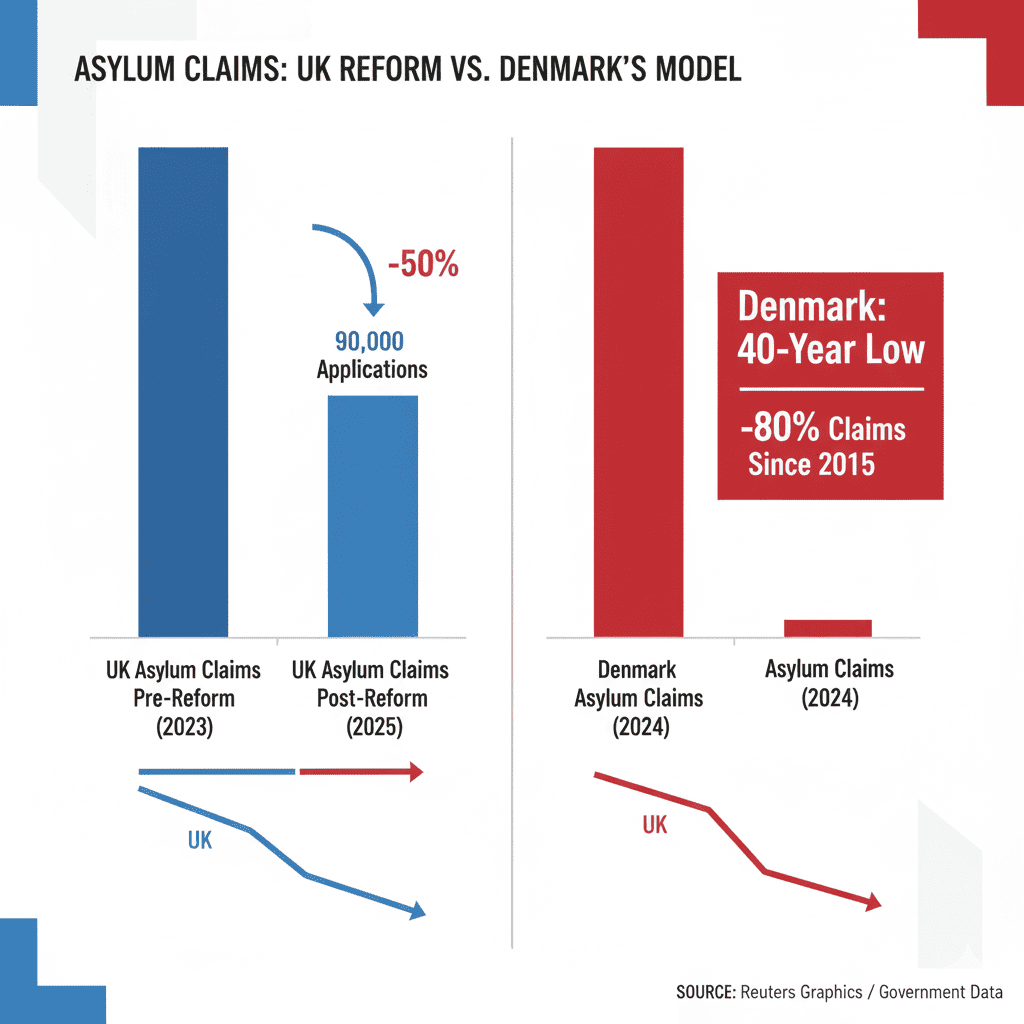
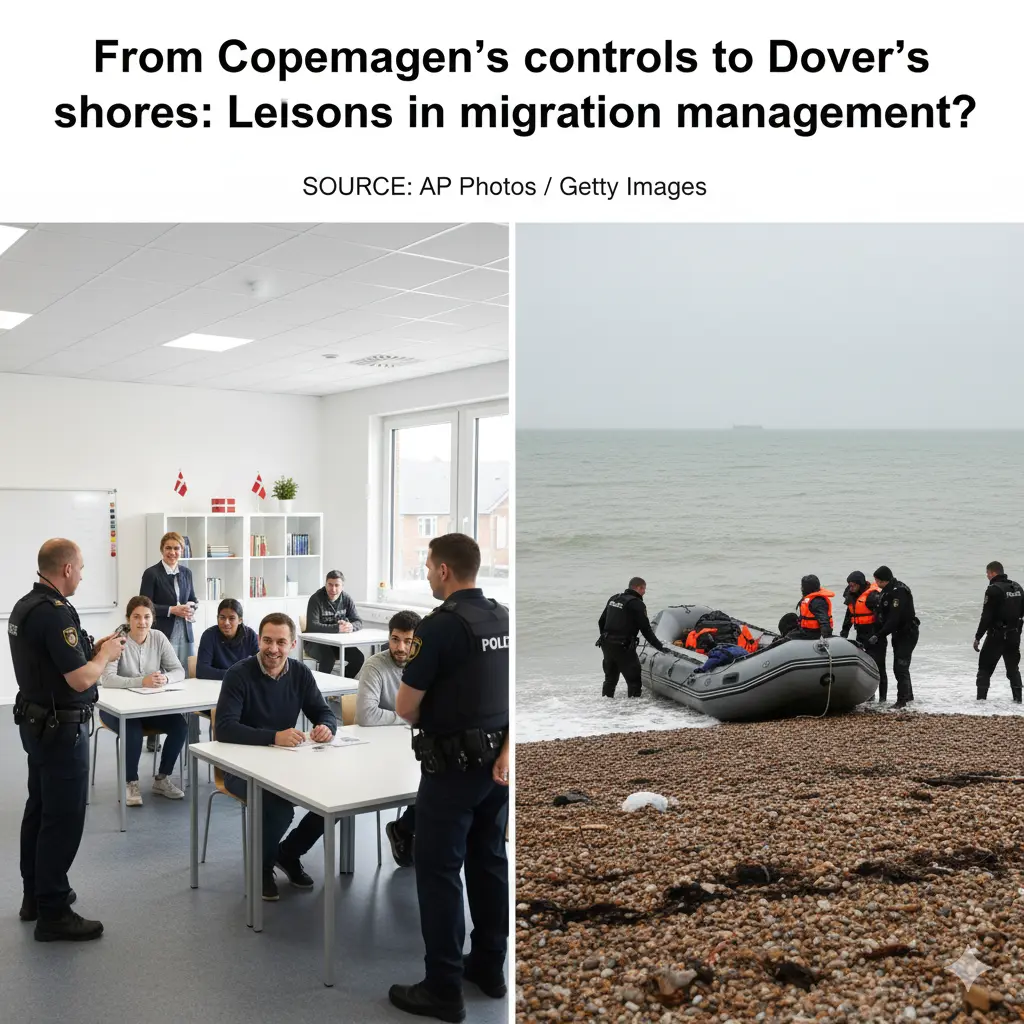
Drawing explicit parallels to Denmark’s trailblazing model, Mahmood highlighted how Copenhagen’s temporary permit regime—coupled with stringent integration mandates—has slashed asylum applications to their lowest ebb in four decades. Since 2015, Denmark has repatriated over 10,000 rejected claimants and seen a 80% drop in new claims, crediting the policy for restoring public trust in immigration controls. “If our Nordic neighbors can humanely manage flows without compromising compassion, so too can Britain,” Mahmood told MPs, positioning the UK as a pragmatic innovator rather than a reactive responder.
Yet, the Danish blueprint is no panacea: Critics in Scandinavia have long accused it of warehousing vulnerable migrants in limbo, with integration rates stagnating below 50% for non-EU arrivals.
Labour’s Internal Tempest
The announcement, first reported by AFP with modest initial traction (2.5K views), has unleashed a torrent of dissent from Labour’s left flank. Shadow immigration spokespeople and backbench progressives, including high-profile MP Nadia Whittome, lambasted the reforms as a “capitulation to far-right dog-whistling,” reminiscent of the Rwanda deportation scheme scrapped by the incoming government just months ago. “This isn’t deterrence; it’s deterrence dressed in humanitarian drag,” Whittome thundered on social media, warning of eroded trust among the party’s urban, multicultural base.
Polls underscore the high-wire act: Support for Reform UK, Nigel Farage’s insurgent outfit, has surged to 18% nationally, fueled by voter frustration over perceived laxity on borders. Labour strategists view the toughening as electoral armor—mirroring Keir Starmer’s recent clampdown on winter fuel payments—but at the risk of alienating the 40% of party members who prioritize refugee rights, per internal surveys.
Broader Implications and Outlook
As the bill gears toward scrutiny in the new year, stakeholders from UNHCR to the Refugee Council urge safeguards against arbitrary deportations, emphasizing that 70% of UK asylum claims are ultimately upheld on appeal. Economists, meanwhile, caution that benefit restrictions could balloon local authority costs for destitute support, potentially netting out fiscal savings.
Mahmood’s gambit reflects a broader Labour calculus: In an era of populist headwinds, fortify the center ground without forsaking core values. Whether this “controlled compassion” bridges the divide—or widens the chasm within the party—remains the pivotal question as Britain navigates its post-Brexit identity.