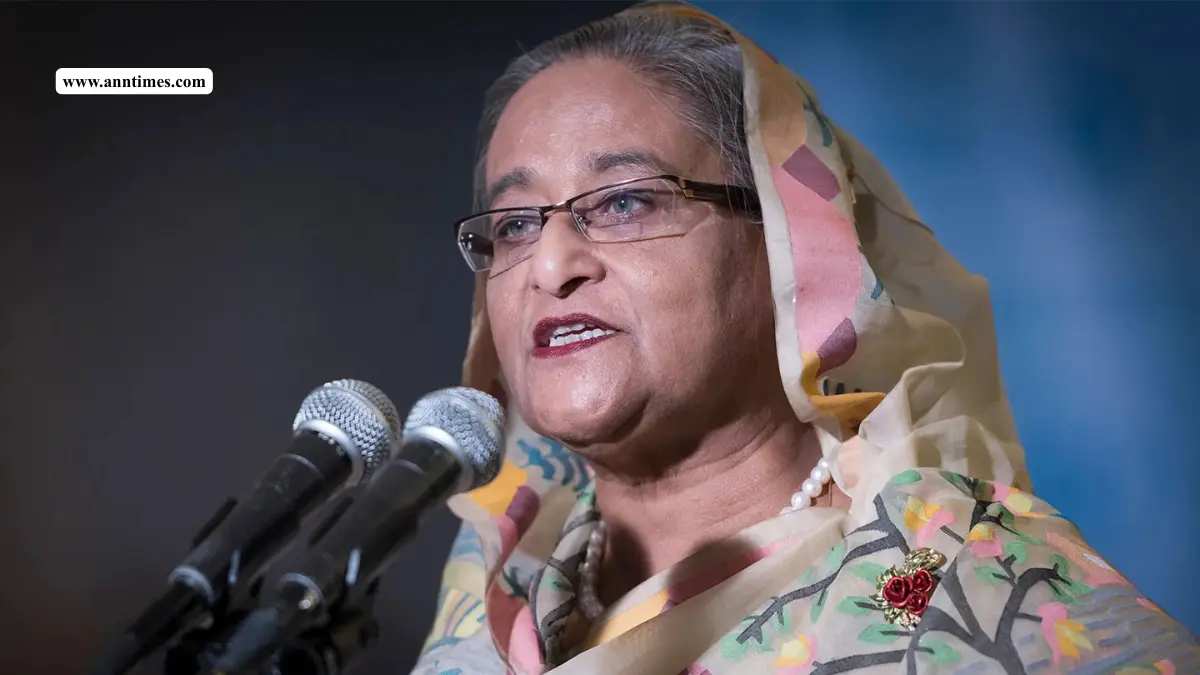
Tribunal Hands Down Death Sentence to Former Prime Minister Hasina
Bangladesh entered a new phase of political turbulence after a special tribunal sentenced former Prime Minister Sheikh Hasina to death. The court concluded she oversaw a violent response to the 2024 student-led uprising, a period marked by mass detentions, shootings, and allegations of systematic abuse by security forces.
The verdict arrived after months of proceedings held without Hasina present. She has been living in India since her government collapsed last year. The tribunal argued that her directives played a decisive role in the security crackdown that left scores dead and hundreds injured. Prosecutors framed the case as an unavoidable reckoning for what they described as state-sanctioned brutality.
Hasina’s legal team dismissed the entire process as political theater. They said the interim authorities were motivated by revenge, not justice, and they accused the tribunal of ignoring due process from the first hearing onward. They also argued that critical evidence had been excluded and that testimony from senior security officials was shaped by pressure from the current administration.
The “H” Factor: Heightened Tensions Across Bangladesh
Security forces in Dhaka moved quickly to manage the fallout. Demonstrations erupted within hours of the ruling, with supporters calling the verdict illegitimate and politically charged. Several districts reported street fires, clashes, and road blockades. Police used tear gas and baton charges in multiple hotspots.
The interim government brushed off claims of bias. Officials said stability required accountability and described the judgment as a message that no leader sits above the law. They also signaled that further prosecutions involving former ministers and senior officers may follow.
Diplomatic attention is already shifting toward New Delhi, which now hosts Hasina. Bangladesh is expected to request her extradition. India will have to calculate the political cost of keeping her on its soil versus sending her back to face execution. Neither scenario is simple.
A Turning Point With Global Implications
International groups are calling for an independent review. Rights organizations argue that the tribunal’s structure raises due-process concerns, and several Western governments have privately expressed unease about the possibility of an execution amid ongoing instability.
Bangladesh, meanwhile, is navigating one of its most volatile transitions in decades. The death sentence may strengthen the interim government’s stance in the short term, but it also risks deepening divides in a country already on edge.