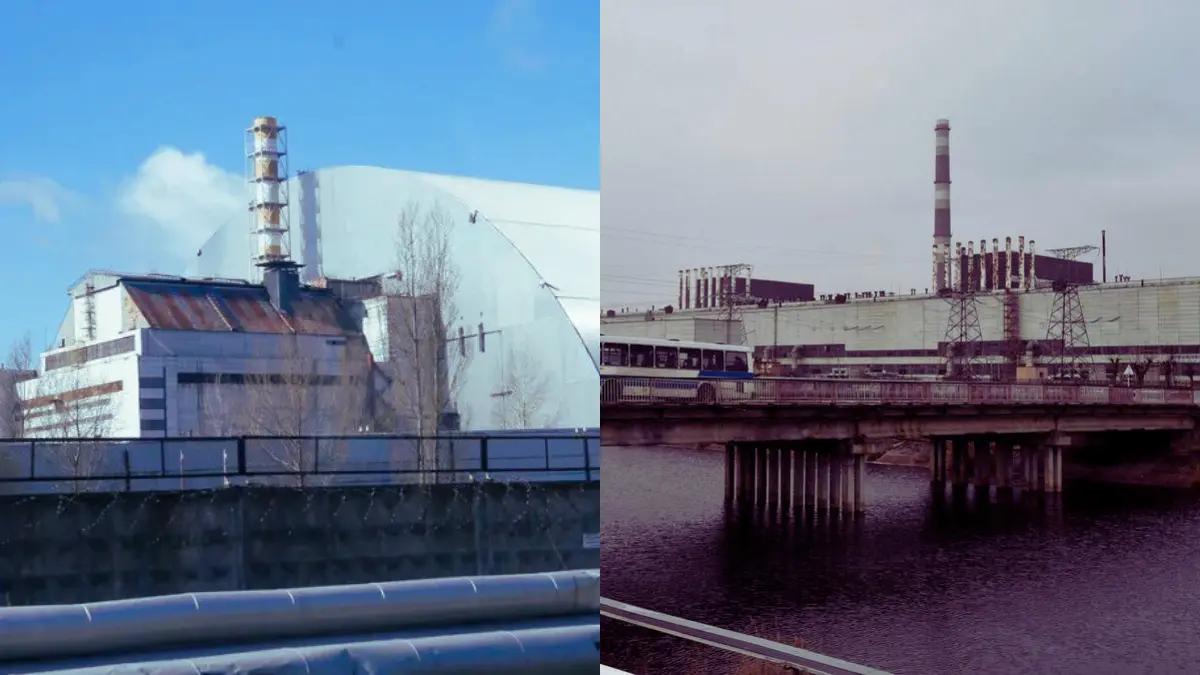
VIENNA/KYIV — Ukraine’s Chornobyl nuclear power plant lost all off-site power on Tuesday, the International Atomic Energy Agency said, marking the latest disruption to external electricity supplies at the decommissioned site and reviving concerns over nuclear safety amid the war in Ukraine.
According to the IAEA, the loss of off-site power meant the Chornobyl site had to temporarily rely on backup power systems, which are designed to ensure essential safety functions such as cooling and radiation monitoring. While no immediate radiation threat was reported, the agency said the situation once again underscored the fragility of nuclear safety conditions in the conflict zone.
What happened at Chornobyl
The IAEA said Ukrainian authorities informed the agency that external power lines supplying the site were cut, though it was not immediately clear whether the outage was caused by military activity, damage to infrastructure, or technical failure. The agency did not attribute blame but noted that off-site power disruptions have occurred repeatedly since Russia’s full-scale invasion of Ukraine.
Chornobyl, the site of the world’s worst nuclear accident in 1986, no longer produces electricity. However, it still requires stable power to maintain safety systems, including cooling for spent nuclear fuel and continuous radiation monitoring across the exclusion zone.
Why off-site power matters
Even decommissioned nuclear facilities depend on reliable electricity supplies. Off-site power is the primary source, while diesel generators and other backup systems are intended only as temporary measures. Nuclear safety experts have long warned that prolonged reliance on backups increases risk, especially if fuel supplies or maintenance are disrupted.
The IAEA stressed that while backup systems were functioning as designed, any loss of off-site power at a nuclear facility is a serious safety concern and should be avoided.
Broader nuclear safety concerns in Ukraine
The Chornobyl outage comes against a backdrop of persistent nuclear safety risks across Ukraine. The IAEA has repeatedly raised alarms about the vulnerability of nuclear infrastructure during the war, including at the Zaporizhzhia Nuclear Power Plant, Europe’s largest nuclear facility, which has also experienced multiple power disruptions since the conflict began.
IAEA Director General Rafael Grossi has warned that nuclear plants operating in or near active combat zones face “unacceptable risks”, calling for restraint and protection of energy infrastructure critical to nuclear safety. [1][2]
Official response
In its statement, the IAEA said it was closely monitoring the situation at Chornobyl and remained in constant contact with Ukrainian regulators. The agency emphasized that its experts on the ground and at headquarters were tracking radiation levels, power restoration efforts, and the status of backup systems.
Ukrainian officials said work was underway to restore external power supplies, though no timeline was immediately provided.