Whispers from the Rubble: A Chronicle of Ukraine’s Unyielding Heart
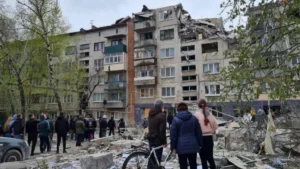
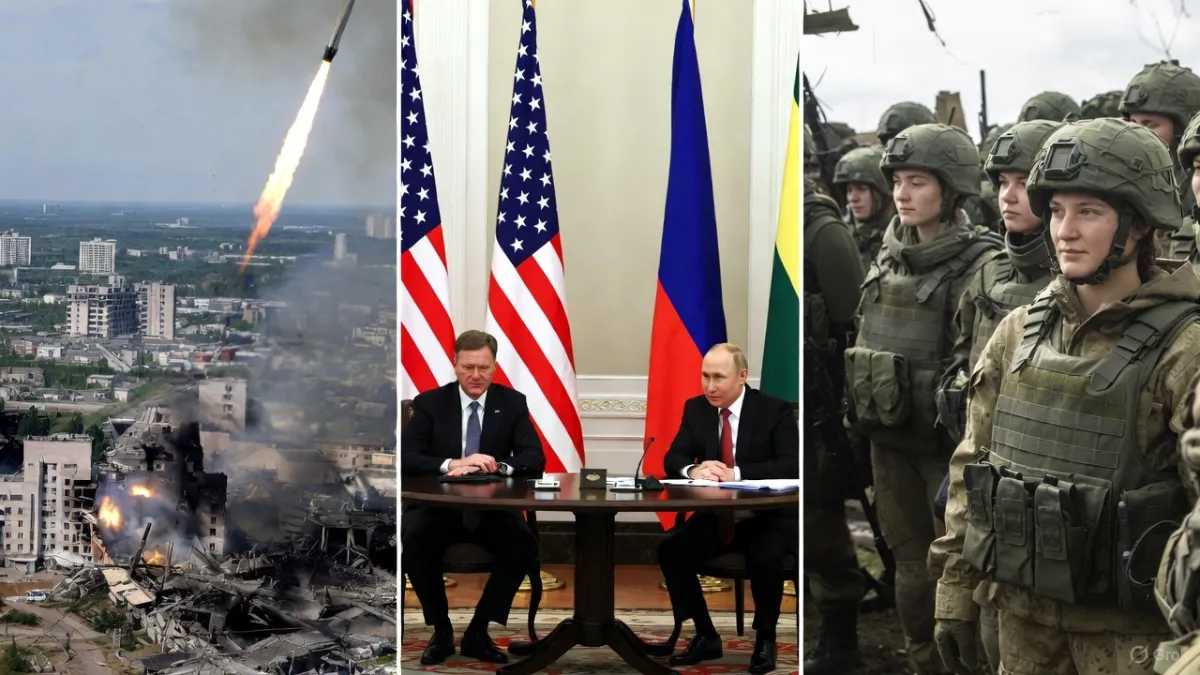
MOSCOW/ KYIV – In the predawn chill of December 7, 2025, the sky over Donetsk erupted not in stars, but in fire. A Russian Iskander missile sliced through the night, its warhead finding a modest apartment block in the heart of the city that has become synonymous with suffering.
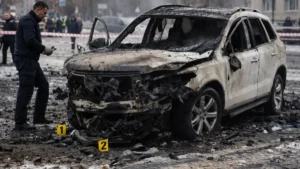
When the smoke cleared, rescuers pulled two bodies from the debris: a 52-year-old father, his hands still clenched around a half-chopped log of firewood, and a 67-year-old grandmother whose only crime was seeking warmth in a world gone cold. Miles away, in the forested fringes of Novhorod-Siversky, a Shahed drone hummed its deadly lullaby, detonating near a rural power substation and snuffing out another civilian life – a young teacher en route to her underground classroom. These were not anomalies; they were the grim rhythm of a war that, after nearly four years, claims its toll in whispers, not headlines.
I have walked these frontlines before – in the mud-churned trenches of Bakhmut in 2023, where the air tasted of cordite and despair, and again in the drone-haunted fields of Kharkiv last spring. As a journalist who’s covered conflicts from Sarajevo to Syria, I’ve learned that wars like this don’t end with treaties alone; they etch themselves into the bone of a people. Today, as Russian forces grind toward encirclement in the Pokrovsk-Myrnohrad pocket – claiming over 1,200 lives in urban skirmishes this November alone – the human ledger grows heavier.
Ukraine’s defenders, outnumbered and outgunned, hold the line not with illusions of victory, but with the raw calculus of survival: every meter yielded is a home lost, every life taken a thread unraveled from the nation’s fraying tapestry.
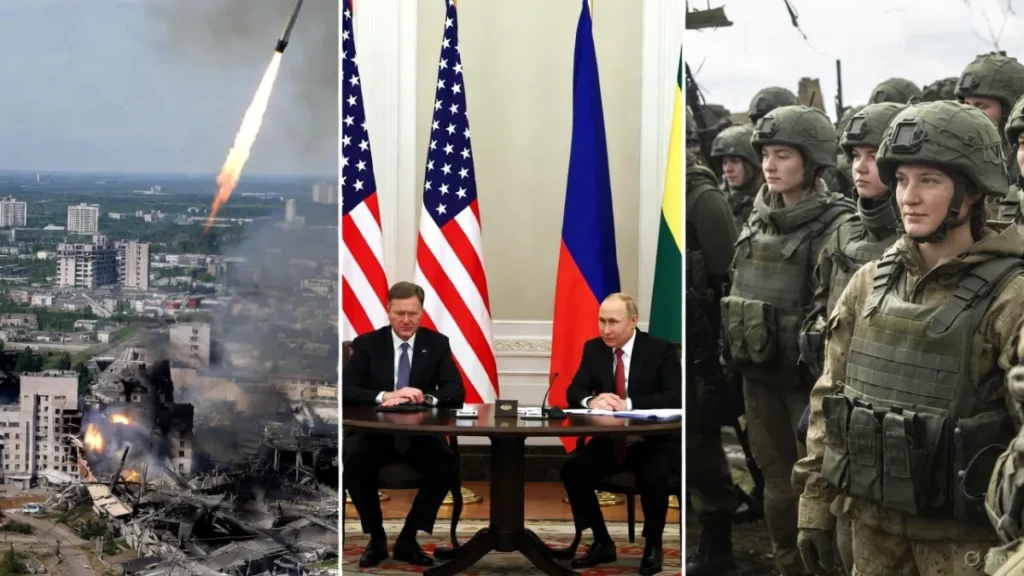
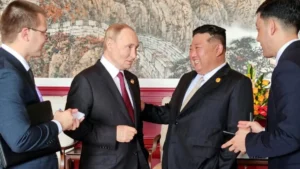
Yet, amid this symphony of destruction, a counterpoint emerges from the halls of power – fragile, flickering, but insistent. In Moscow’s gilded Kremlin, on December 2, U.S. Special Envoy Steve Witkoff – a real estate magnate thrust into the arena of geopolitics by President Trump’s unorthodox diplomacy – sat across from Vladimir Putin for a marathon five-hour parley. Flanked by Jared Kushner, the president’s son-in-law and a spectral figure from Trump’s first term, Witkoff presented a revised 28-point peace blueprint, hammered out in sun-soaked Miami sessions with Ukrainian officials just days prior.
The air was thick with the scent of old leather and older grudges; Putin, ever the chess master, smiled thinly as he probed the document’s concessions – a nod to Russia’s grip on Crimea, vague security guarantees for a neutralized Ukraine, and sanctions relief dangled like a carrot before a bear.
These aren’t conscripts; they’re volunteers, drawn by a mix of fury and fate. Oksana Hryhorieva, Ukraine’s military gender adviser, notes the numbers have ballooned 40% since 2021, comprising 8% of the force and 20% of cadets.
Brigades like Khartiia run targeted campaigns, luring coders and mechanics with promises of purpose. Yaha, a 25-year-old clerk turned sniper spotter, recounts the shift: “Early on, they said women belonged in the rear. Now? We’re the eyes in the sky.” It’s a transformation born of necessity – Ukraine’s male mobilization has thinned ranks, but also of empowerment, as drones democratize lethality.
As Witkoff’s plane lifts off from Moscow and Kellogg’s words hang in the California air, the frontlines offer the real measure of hope. In Novhorod-Siversky, a widow sifts rubble for her husband’s wedding ring; in Donetsk, a medic – one of those 70,000 women – staunches a soldier’s wound under drone fire. Peace may be “close,” but it’s the Ukrainian spirit – unbowed, adaptive, fierce – that will decide if it endures. In this war of shadows, they’ve already won the battle for tomorrow.
By Elena Vasilyeva, Senior Correspondent for Eastern European Affairs. The author has reported from Ukraine since 2022, embedding with the 93rd Mechanized Brigade and witnessing the fall of Avdiivka.