A senior Russian military officer was killed on Monday in Moscow when a bomb placed under his car exploded, Russian investigators said, marking the third assassination of a high-ranking Russian general by car bomb in the past year.
Details of the attack
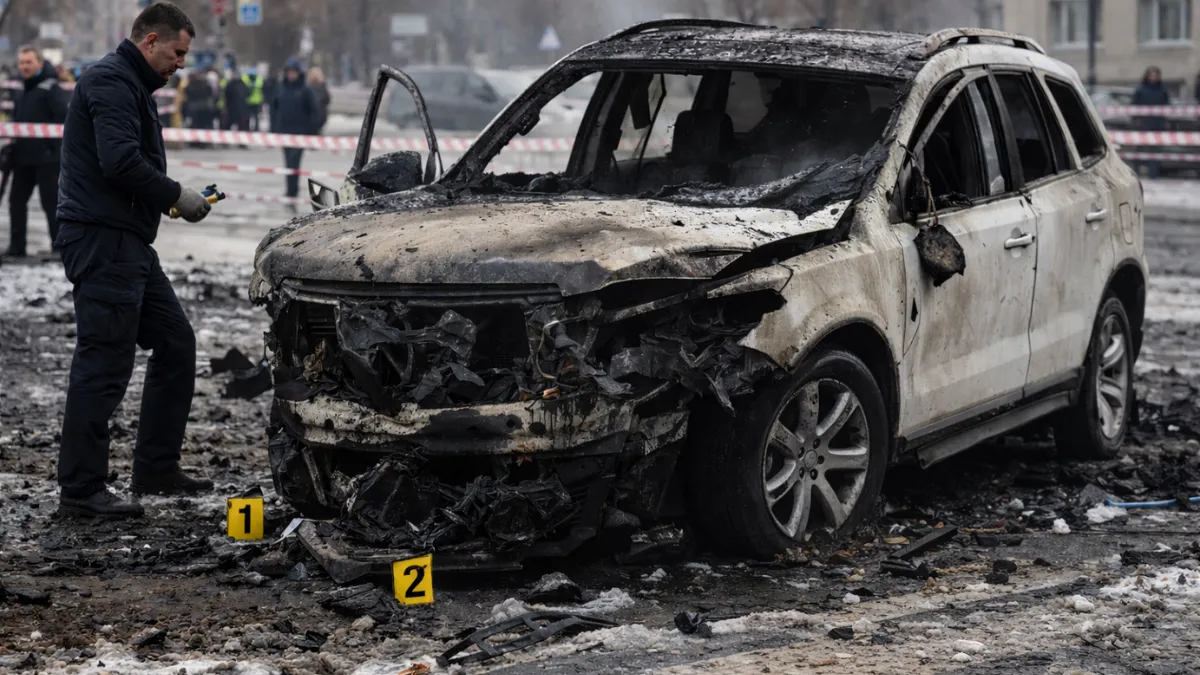
Russian authorities confirmed that Lieutenant General Fanil Sarvarov, 56, the head of the Operational Training Directorate of the General Staff of the Russian Armed Forces, died from injuries sustained after an explosive device detonated under his vehicle in southern Moscow early Monday morning. Investigators released footage of the severely damaged white SUV, showing heavy blast impact on the driver’s side and surrounding area.
Russia’s Investigative Committee, responsible for probing major crimes, said it has opened a murder investigation and is examining forensic evidence, security footage and witness accounts. Spokespeople noted that various leads are being pursued, including the possibility that the operation was orchestrated by Ukrainian intelligence services, although Kyiv has not publicly commented on the attack.
Context and pattern of attacks
Sarvarov’s death echoes two prior high-profile assassinations involving top Russian military figures over the past year. In December 2024, Lieutenant General Igor Kirillov was killed in a separate bombing attack on a Moscow street (claimed by Ukraine’s Security Service, the SBU), and in April 2025, another Russian general, Lieutenant General Yaroslav Moskalik, died in a car bomb explosion near Moscow. Together, these incidents highlight an ongoing pattern of security breaches targeting senior figures amid the protracted conflict with Ukraine.
Military and diplomatic backdrop
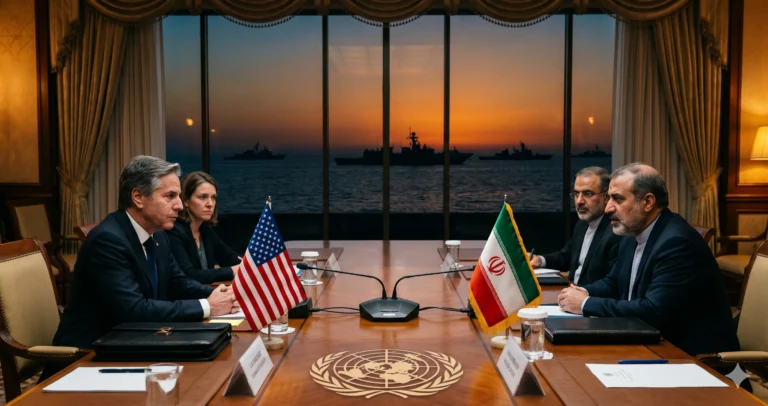
Sarvarov, a veteran officer with service in conflicts including Chechnya and Syria, was a key figure in training and operational planning. His assassination comes against the backdrop of ongoing peace negotiations — including recent talks involving U.S., Russian and Ukrainian delegates aimed at ending the war — underscoring how violence and diplomacy continue to intertwine in the conflict.
Possible motives and investigative angles
While Russian officials have pointed to possible Ukrainian involvement as a motive, independent verification of responsibility remains absent. Analysts say that such high-profile killings raise serious questions about security vulnerabilities within Russia and the broader intelligence dynamics at play in the multi-year war.
Reactions and implications
The Kremlin and President Vladimir Putin were reportedly informed immediately, and state media have reflected sharply critical rhetoric toward Ukraine, with calls for enhanced protective measures for military leaders. The incident is likely to further strain relations and complicate diplomatic efforts even as international actors push for conflict resolution.
Unverified facts
- Responsibility claim: Investigators say one line of inquiry involves Ukrainian intelligence, but no official claim of responsibility has been publicly confirmed by Ukraine.
- Pattern of previous attacks: References to earlier assassinations (December 2024, April 2025) are drawn from reporting and general sources, but differences in circumstances and methods exist among those incidents.