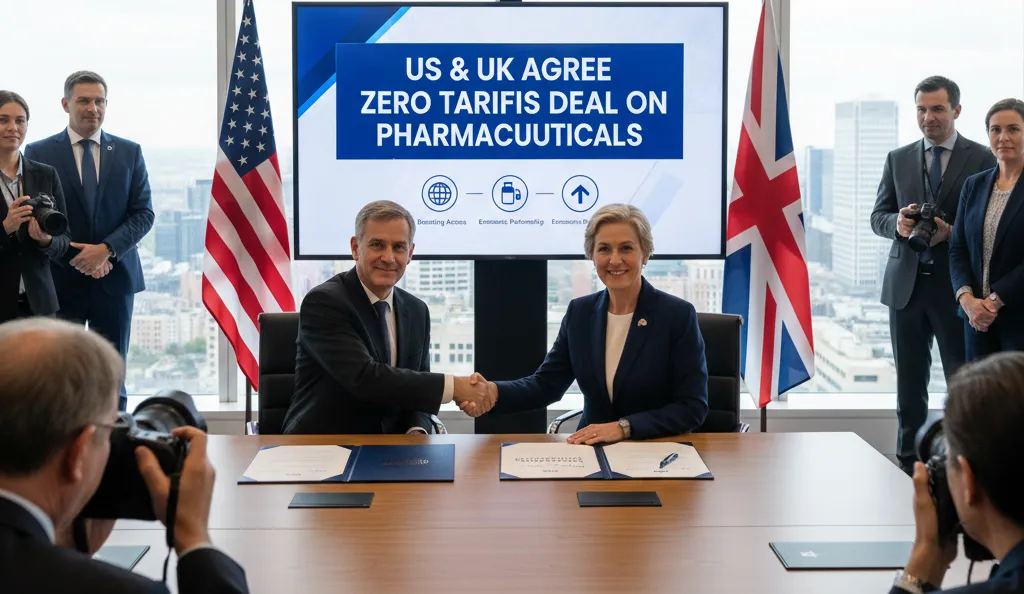
In a significant development for the pharmaceutical industry, the United States and the United Kingdom have reached an agreement to maintain zero tariffs on UK pharmaceutical exports to the US. This deal is set to bring significant benefits to both countries, ensuring that the pharmaceutical sector in the UK remains competitive while addressing some of the challenges faced by the US healthcare system.
Key Highlights of the Deal
The agreement guarantees that pharmaceuticals produced in the UK will continue to enter the US market without the imposition of any tariffs for the next three years. This is a monumental step for UK pharmaceutical exports, valued at over £5 billion annually.
In exchange, the UK government will increase the amount it pays for medicines through the National Health Service (NHS). This marks the first time in over 20 years that the NHS will pay more for medicines. The increase will be applied gradually, with the goal of raising NHS spending on drugs from 0.3% of GDP to 0.6% of GDP over the next decade.
A Win for UK Pharmaceutical Exports
Business and Trade Secretary Peter Kyle described the deal as a “guarantee that UK pharmaceutical exports will enter the US tariff-free.” This agreement is crucial for the UK, particularly at a time when pharmaceutical investments in the country have been slowing down due to global competition. It provides protection for UK jobs and supports the country’s goal of becoming a global hub for life sciences.
Pharmaceuticals are among the UK’s biggest exports to the US. In the year leading up to September, the UK exported £11.1 billion worth of medicines to the US, accounting for 17.4% of all UK goods exports during that period.
The US Perspective: Addressing High Drug Costs
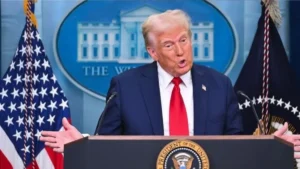
The deal follows a series of threats from US President Donald Trump, who had previously warned that he would raise tariffs on branded drug imports by up to 100%. This was part of his broader effort to reduce the US’s reliance on imported medicines and encourage domestic manufacturing.
Trump’s administration had also argued that US consumers were essentially subsidizing the cost of medicines for other developed countries. The new agreement is seen as an attempt to balance out this situation, with US officials insisting that Americans should no longer bear the world’s highest drug prices.
White House spokesman Kush Desai referred to the agreement as a “historic step towards ensuring that other developed countries finally pay their fair share.”
Changes to NHS Spending and Drug Approvals
Under the terms of the deal, the UK will also increase the threshold at which new treatments are deemed too expensive for the NHS. This threshold will be raised by 25%, which could lead to additional medicines being approved for use by the NHS.
The NHS’s advisory body, NICE (National Institute for Health and Care Excellence), anticipates that this change will lead to the approval of an additional three to five medicines each year. Currently, NICE evaluates around 70 medicines annually, approving around 90% of them.
However, these changes are not without controversy. Some experts have raised concerns that the increased cost to the NHS could place further strain on an already stretched healthcare system. Sally Gainsbury, a senior fellow at the Nuffield Trust think tank, warned that the agreement could result in an additional £3 billion in spending on drugs, which could be challenging given the current financial pressures on the NHS.
Gainsbury suggested that this additional cost might need to be fully funded by the Treasury, which could divert funds away from other areas of the health system, such as GP services or addressing the hospital backlog.
The Impact on Pharmaceutical Investments in the UK
The agreement comes at a time when pharmaceutical companies have been shifting their focus to the US, where there has been an increase in investment in research and manufacturing. In recent months, major pharmaceutical companies such as GSK and Merck have announced large investments in the US, while pausing or canceling planned expansions in the UK.
In mid-September, GSK, a British pharmaceutical giant, pledged to invest $30 billion in research and manufacturing in the US over the next five years. This move came shortly after Merck announced it would scrap its planned £1 billion expansion in the UK.
In contrast, AstraZeneca also announced that it was pausing a planned £200 million investment in a Cambridge research facility, citing concerns over the UK’s attractiveness as a destination for pharmaceutical investment.
A Positive Outcome for UK- US Trade Relations
William Bain, head of trade policy at the British Chambers of Commerce, welcomed the agreement, calling it a “real win” for the UK. He stated that the deal would promote UK pharmaceutical exports, boost investment, and enhance the UK’s competitiveness as a production and innovation hub for medicines and treatments.
US pharmaceutical company Bristol Myers Squibb also expressed optimism about the deal, with CEO Chris Boerner stating that the agreement would create an environment conducive to further investment in the UK. The company now expects to invest more than $500 million over the next five years in areas including research, development, and manufacturing in the UK.
The Road Ahead: What This Means for Global Pharmaceutical Trade
The agreement between the US and the UK marks a significant milestone in the ongoing discussion around pharmaceutical trade. The zero-tariff deal highlights the growing importance of maintaining open trade relationships between developed countries, especially when it comes to industries that directly impact public health and the economy.
It also reflects the broader trend towards the globalization of the pharmaceutical industry, where production, research, and development are increasingly interconnected across borders. With the rise of competition from emerging markets and the increasing demand for affordable healthcare, agreements like this one are likely to play a key role in shaping the future of global pharmaceutical trade.
Conclusion: A Strategic Agreement for the Future
The deal between the UK and the US to keep pharmaceutical tariffs at zero is a strategic move that benefits both countries. For the UK, it provides much-needed protection for its pharmaceutical exports, ensuring that UK medicines remain competitive in the US market. For the US, it addresses concerns about high drug prices and reliance on imported medicines while fostering investment in both countries’ pharmaceutical sectors.
As the pharmaceutical industry continues to evolve, it is clear that international trade agreements like this one will play a pivotal role in shaping the future of healthcare worldwide. This agreement not only helps secure the long-term stability of the pharmaceutical trade but also underscores the importance of collaboration between nations to ensure that the global health system remains robust and accessible for all.