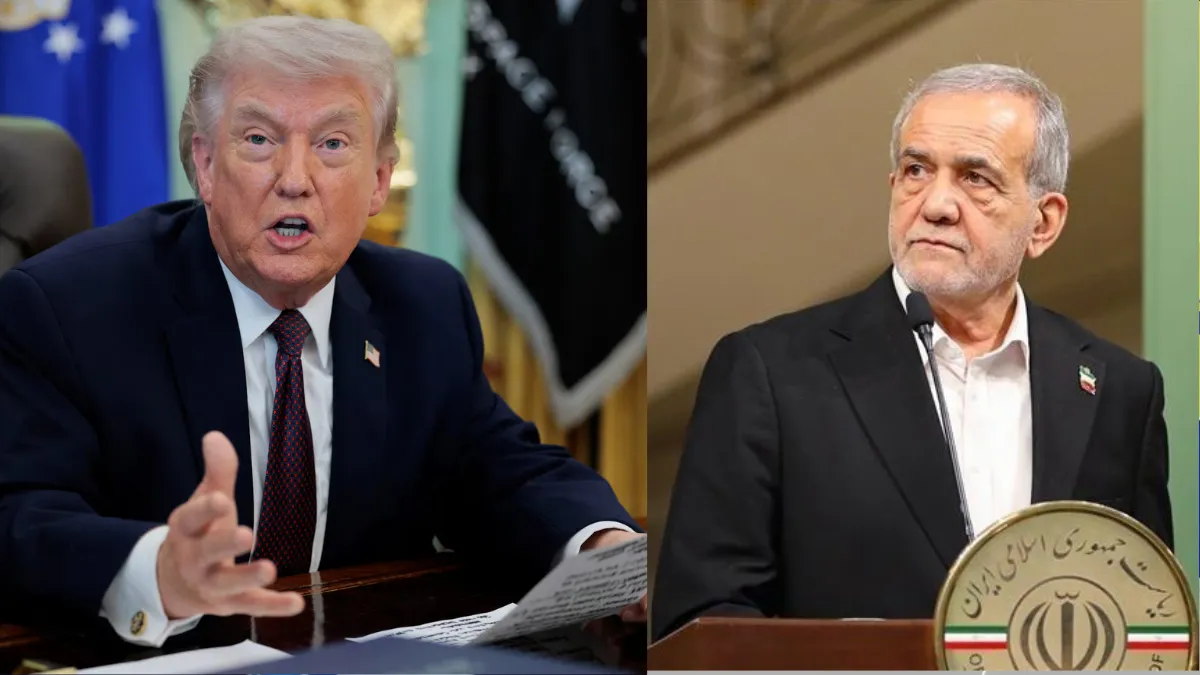
In a rare and highly strategic move, Iran’s president has issued a direct public message to the American people, urging them to question U.S. foreign policy and reconsider perceptions of Iran amid escalating tensions between the two nations.
A Direct Appeal Beyond Governments
The Iran President message to Americans, shared publicly on social media, opens with a formal address invoking religious language before pivoting quickly to a broader political argument: that ordinary citizens in the United States are being misled by what he describes as “manufactured narratives” about Iran.
The message emphasizes a distinction between governments and people—a recurring theme in Iranian diplomatic rhetoric—asserting that Iranians “harbor no enmity” toward Americans despite decades of political hostility. This framing appears designed to bypass official diplomatic channels and instead shape public opinion directly.
To the people of the United States of America pic.twitter.com/3uAL4FZgY7
— Masoud Pezeshkian (@drpezeshkian) April 1, 2026
Reframing Iran’s Historical Narrative
A central pillar of the statement is Iran’s portrayal of itself as a historically defensive nation. The president claims that Iran has “never initiated a war in its modern history,” positioning the country as a victim rather than an aggressor.
This assertion, while reflecting Tehran’s official stance, remains debated among historians and analysts. Critics point to Iran’s involvement in regional proxy conflicts, while Iranian officials argue these actions fall under defensive or allied support measures rather than direct warfare.
The message also revisits a key historical grievance: the 1953 coup backed by the United States and the United Kingdom that overthrew Iran’s democratically elected prime minister. That event is frequently cited by Iranian leaders as the starting point of deep mistrust toward Washington.
U.S. Military Presence and Strategic Pressure
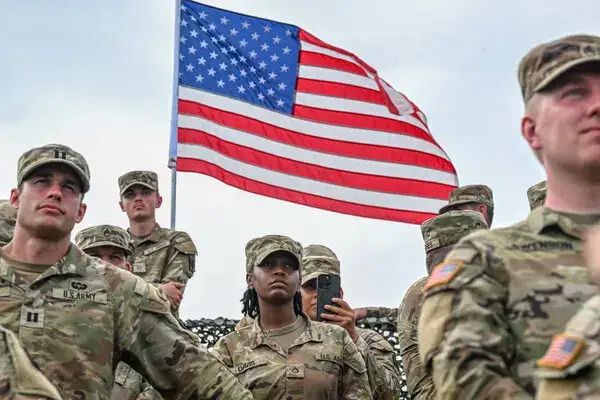
The statement highlights the extensive U.S. military footprint surrounding Iran, describing it as a source of provocation and instability. According to the president, American bases and operations in the region demonstrate a posture of aggression rather than deterrence.
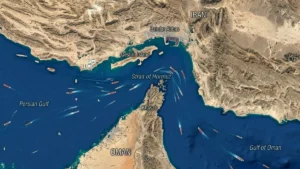
This argument aligns with longstanding Iranian criticism of U.S. strategy in the Middle East, particularly in the Persian Gulf, where American naval and air forces maintain a significant presence to secure shipping routes and counter regional threats.
Sanctions and Their Human Impact
The Iran President message to Americans places significant emphasis on economic sanctions, describing them as among the “most comprehensive” in modern history. The statement argues that these measures have harmed ordinary citizens more than the government itself.
Sanctions imposed by the United States—especially after its withdrawal from the 2015 nuclear agreement—have severely restricted Iran’s access to global financial systems and reduced oil exports, contributing to inflation and economic instability.
The president links these economic pressures to broader humanitarian concerns, citing impacts on healthcare, infrastructure, and daily life. While U.S. officials maintain that humanitarian goods are exempt from sanctions, critics argue that financial restrictions still create barriers to access.
Questioning the Motives Behind Conflict
A notable portion of the message raises direct questions to the American public, asking whether current tensions truly serve U.S. national interests. It challenges the rationale for military escalation and suggests that external influences—including regional allies—may be shaping American policy decisions.
The reference to Israel as a driving force behind confrontation reflects a common Iranian geopolitical narrative, though it is strongly rejected by U.S. and Israeli officials.
A Call for Engagement Over Confrontation
The concluding section of the statement shifts tone, presenting a broader philosophical argument about the future of global relations. The president describes the world as standing at a “crossroads” between continued conflict and meaningful engagement.
He invites Americans to seek alternative perspectives, including through direct interaction with Iranian citizens and diaspora communities. The message highlights the global contributions of Iranian professionals as evidence contradicting negative portrayals of the country.
Analysis: Strategic Communication in a Digital Era
Analysis: This Iran President message to Americans represents a calculated use of digital diplomacy—bypassing traditional state-to-state communication in favor of influencing public discourse directly.
Such messaging serves multiple purposes:
- It attempts to soften Iran’s image internationally.
- It seeks to create internal debate within the United States.
- It positions Iran as open to dialogue while placing blame for tensions on Washington.
This approach mirrors similar strategies used by global leaders in recent years, where social media becomes a tool not just for communication, but for geopolitical positioning.
Read What Masoud Pezeshkian Said: