Afghanistan is facing severe shortages of essential medicines after the Taliban government imposed a ban on pharmaceutical imports from neighboring Pakistan in mid-November. The move came amid mounting border tensions and trade disruptions, and has left many people struggling to access even basic drugs.
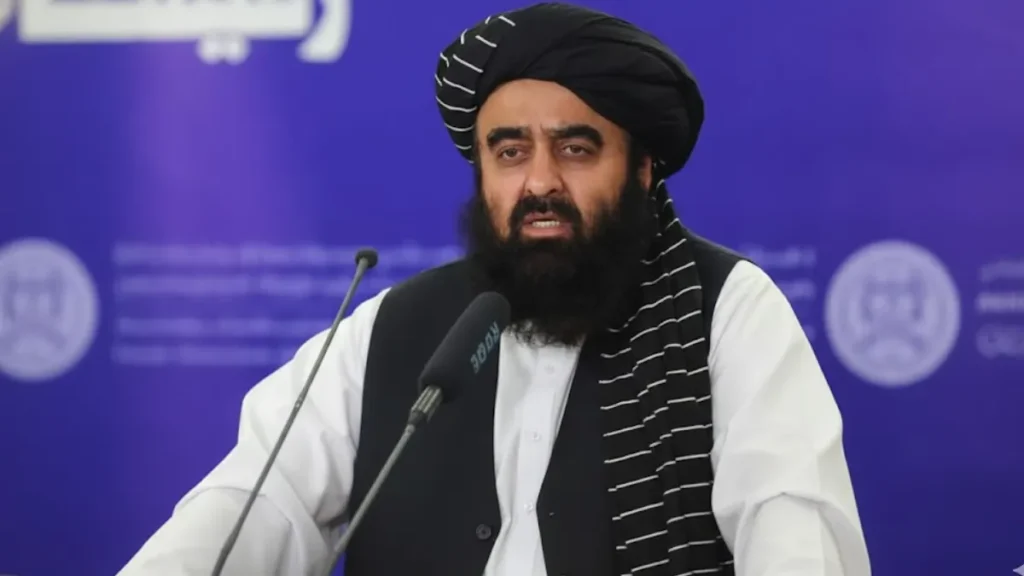
Under the directive announced by Taliban Deputy Prime Minister for Economic Affairs Mullah Abdul Ghani Baradar, all medicines imported from Pakistan must cease entering the country after a three-month grace period. Kabul’s Ministry of Public Health and trade regulators were instructed to halt processing of Pakistani drug consignments, affecting insulin, antibiotics, cardiovascular drugs, vaccines and other essential medicines that were previously imported across the border.
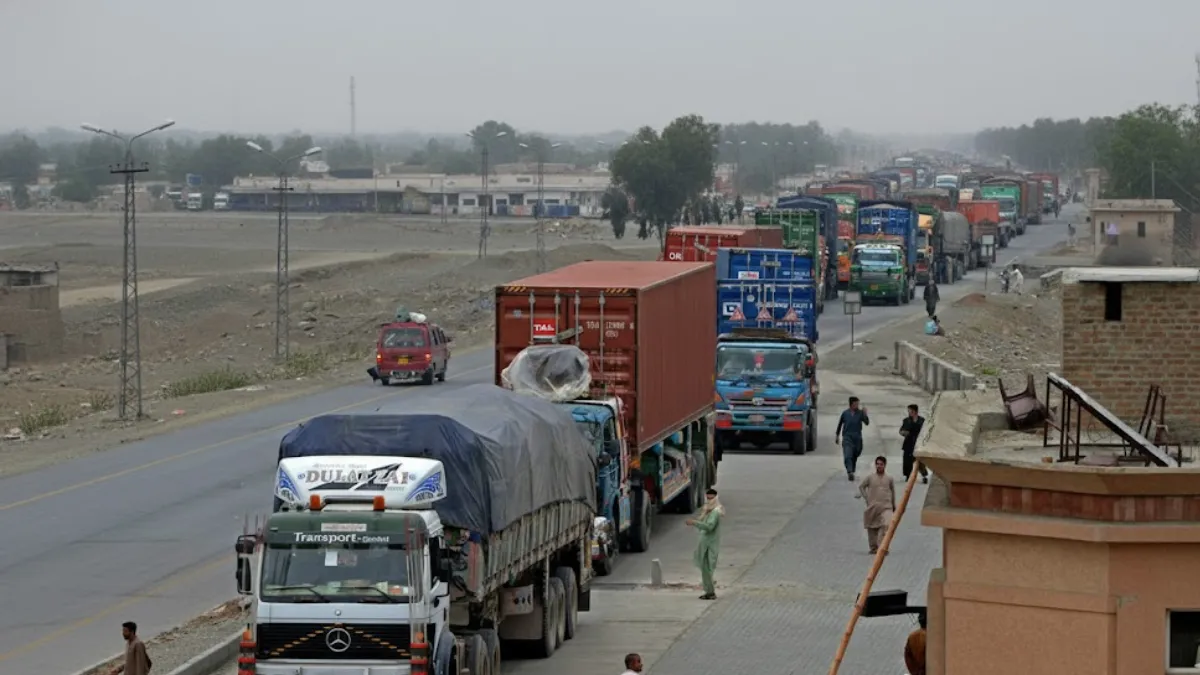
Since the border closures began in early October at main crossings such as Torkham and Chaman, triggered by clashes between Afghan and Pakistani forces, hundreds of trucks loaded with medicines have been stuck at the border or stranded at dry ports. Industry sources warn that perishable and temperature-sensitive medicines risk spoilage, further exacerbating shortages.
In Kabul and other major cities, pharmacies report that prices for many medicines have more than doubled. Some medicines that were widely available just weeks ago are now missing. According to a Kabul-based drug vendor, increased transportation costs and lack of supplies have pushed medicines out of reach for many families, who already struggle under economic hardship.
Medical professionals warn that the shortage is already affecting patient care. Chronic patients, including those requiring insulin, heart medications, and antibiotics — find it harder to get timely treatment. Doctors say some patients are forced to delay or skip doses, raising concerns of worsening public health outcomes.
Afghanistan historically relied on Pakistan for a large share of its pharmaceuticals, reportedly as much as 60–70% of imported drugs. With the disruption, the Taliban has called on traders to find alternative supply routes through countries like Iran, India or Central Asian states. But analysts warn those channels may not yet be sufficient or reliable to meet national demand, especially for life-saving, temperature-sensitive drugs.
For now, many Afghans face an uncertain and precarious situation: a shrinking supply of essential medicines, soaring prices, and growing risk that treatable diseases may go untreated, all amid a collapsing economy and widespread poverty.