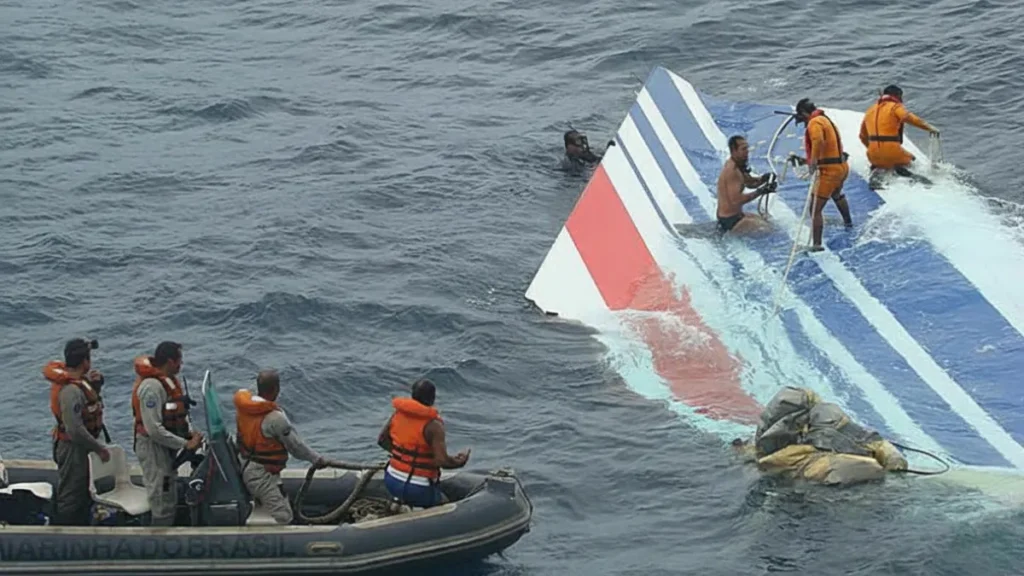
On November 27, 2025, the appeal trial over the 2009 mid-Atlantic crash of flight Airbus A330 AF447 reached a dramatic climax as Air France and Airbus engaged in a fierce dispute over what role the pilots played, or failed to play, in the disaster that claimed 228 lives.
Prosecutors have demanded the maximum corporate fine of €225,000 for each company, alleging negligence linked to defective speed sensors and shortcomings in training and information-sharing that they argue indirectly caused the crash, Investing.com reports. But during closing arguments, Air France rejected claims the crew was inadequately trained or incompetent at handling a high-altitude stall. The airline expressed sympathy for the victims’ families but denied that pilot error alone triggered the tragedy.
Airbus took a different stance: while acknowledging that technical flaws in the plane’s sensors contributed to loss of airspeed data, the manufacturer pointed to the crew’s response once autopilot disconnected, a rapid climb that led to a stall, as a critical error. Airbus echoed the findings of accident investigators from 2012, who had flagged the crew’s “clumsy” reactions to the sensor failure.
At the heart of the dispute lies what happened after the aircraft’s Pitot probes iced up in the equatorial storm. According to investigators, once the speed sensors failed, the autopilot disconnected and the last registered pilot, a co-pilot, pulled the nose up, triggering a stall from which the plane never recovered.
Both sides continue to point fingers: Air France calls pilot-error accusations oversimplified and defends its crew’s professionalism; Airbus maintains that poor sensor design and inadequate warnings were fundamental to the accident. Meanwhile, families of victims argue both companies bear responsibility, citing known issues with Pitot tubes earlier in the A330 fleet and warning that inadequate communication and training sealed the plane’s fate.
Judges are now expected to deliberate for several months before issuing a verdict, and further appeals are likely regardless of the outcome. For many, the case is about more than fines, it’s about assigning moral responsibility and ensuring better aviation safety standards worldwide.