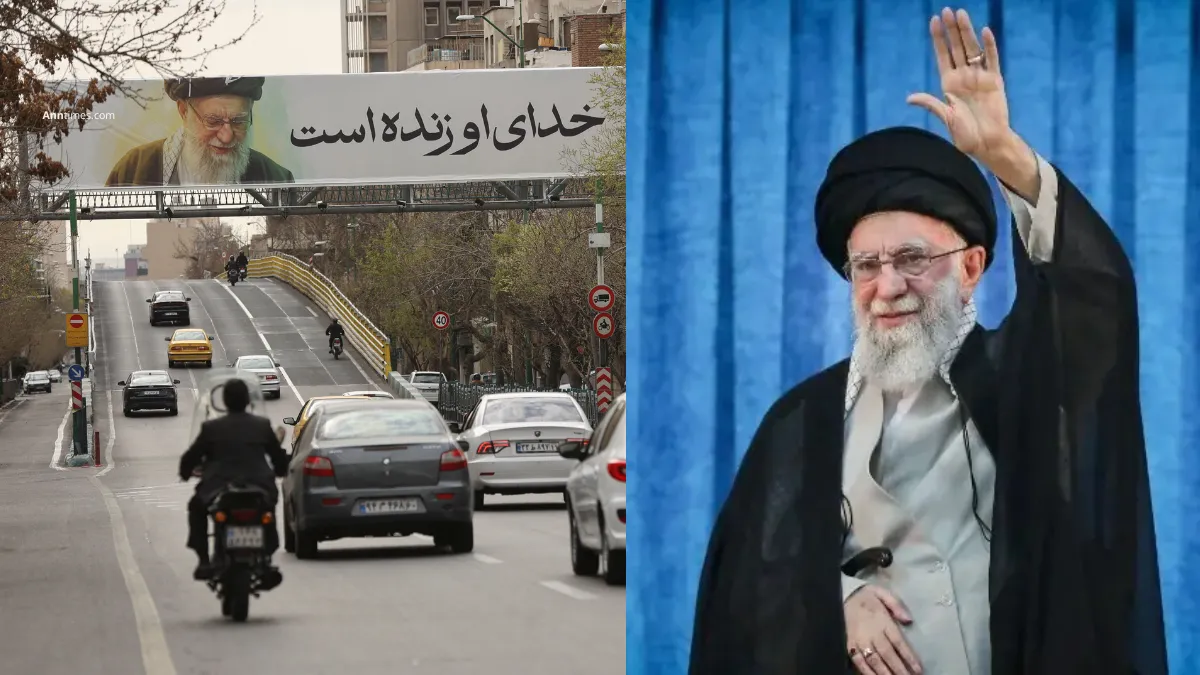
TEHRAN — Amid intensifying rhetoric surrounding the ongoing conflict involving Iran, Israel, and the United States, reports from journalists on the ground suggest a strikingly different picture from the dramatic predictions circulating online.
According to CNN reporting from inside Iran, daily life in several areas of the country appears largely calm, with no widespread panic, mass uprising, or immediate signs of regime collapse despite the escalating regional conflict.
The contrast has fueled debate over whether expectations of a sudden political collapse in Tehran may be overstated.
The CNN Iran calm regime change narrative has emerged as a counterpoint to the intense messaging that often accompanies wartime information campaigns, where political leaders and commentators speculate about the fall of governments during military crises.
War Rhetoric vs. Ground Reality
Historically, wartime messaging often includes predictions that military pressure will trigger domestic uprisings. In the current Iran conflict, some commentators and political figures have suggested that strikes on Iranian infrastructure could accelerate the collapse of the Islamic Republic.
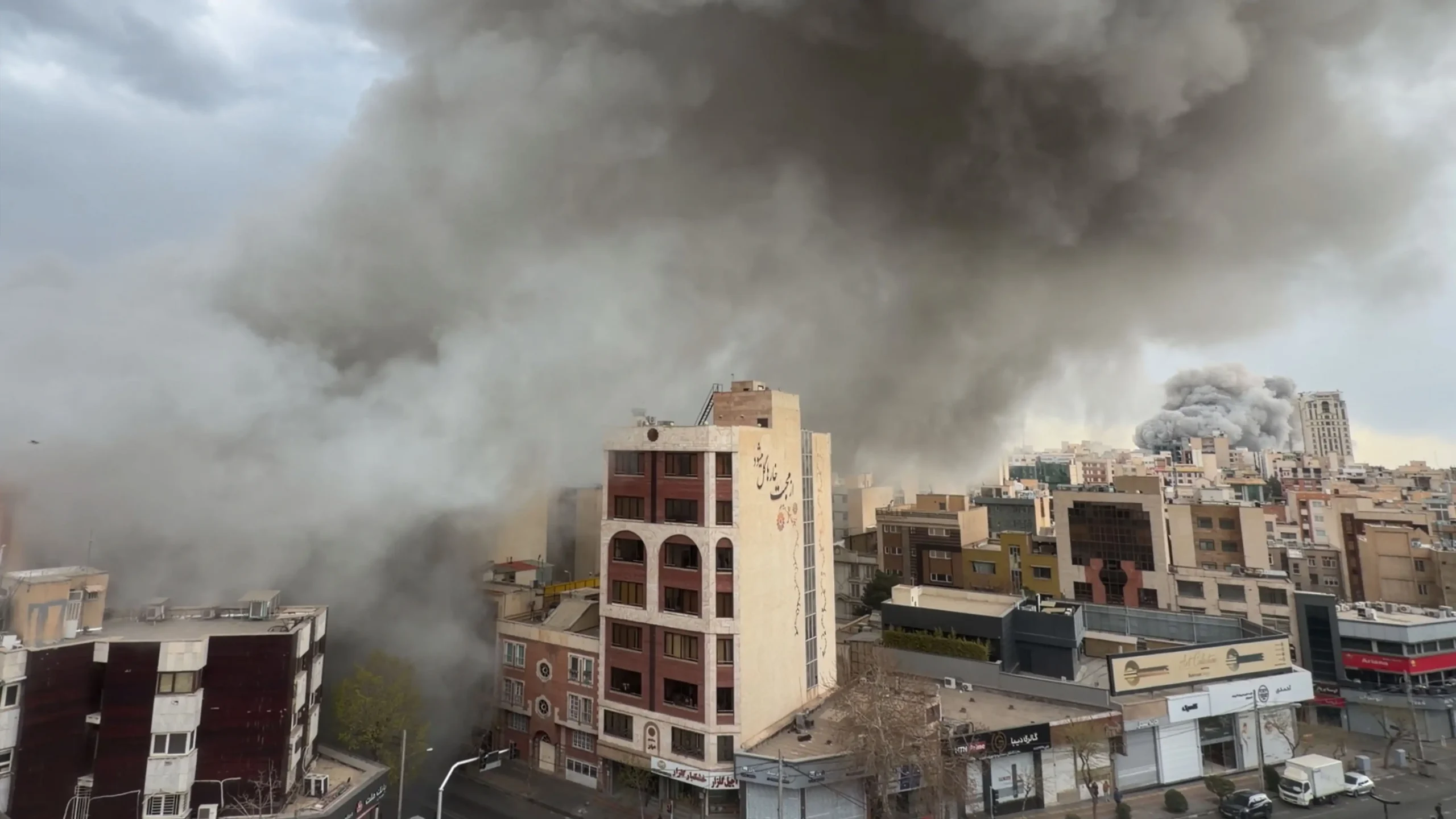
However, intelligence assessments reported by Reuters indicate that many officials in Washington remain skeptical that external military pressure alone will produce regime change in Tehran.
Analysts note that political systems with strong security institutions — such as Iran’s Revolutionary Guard Corps — often remain stable even during periods of military confrontation.
Iran’s History of Protests
Iran has experienced repeated waves of domestic unrest in recent years. Economic crisis, political repression, and currency collapse have triggered protests across many cities.
The largest demonstrations in the recent period began in late 2025 and spread to more than 100 cities, fueled by inflation and demands for political change.
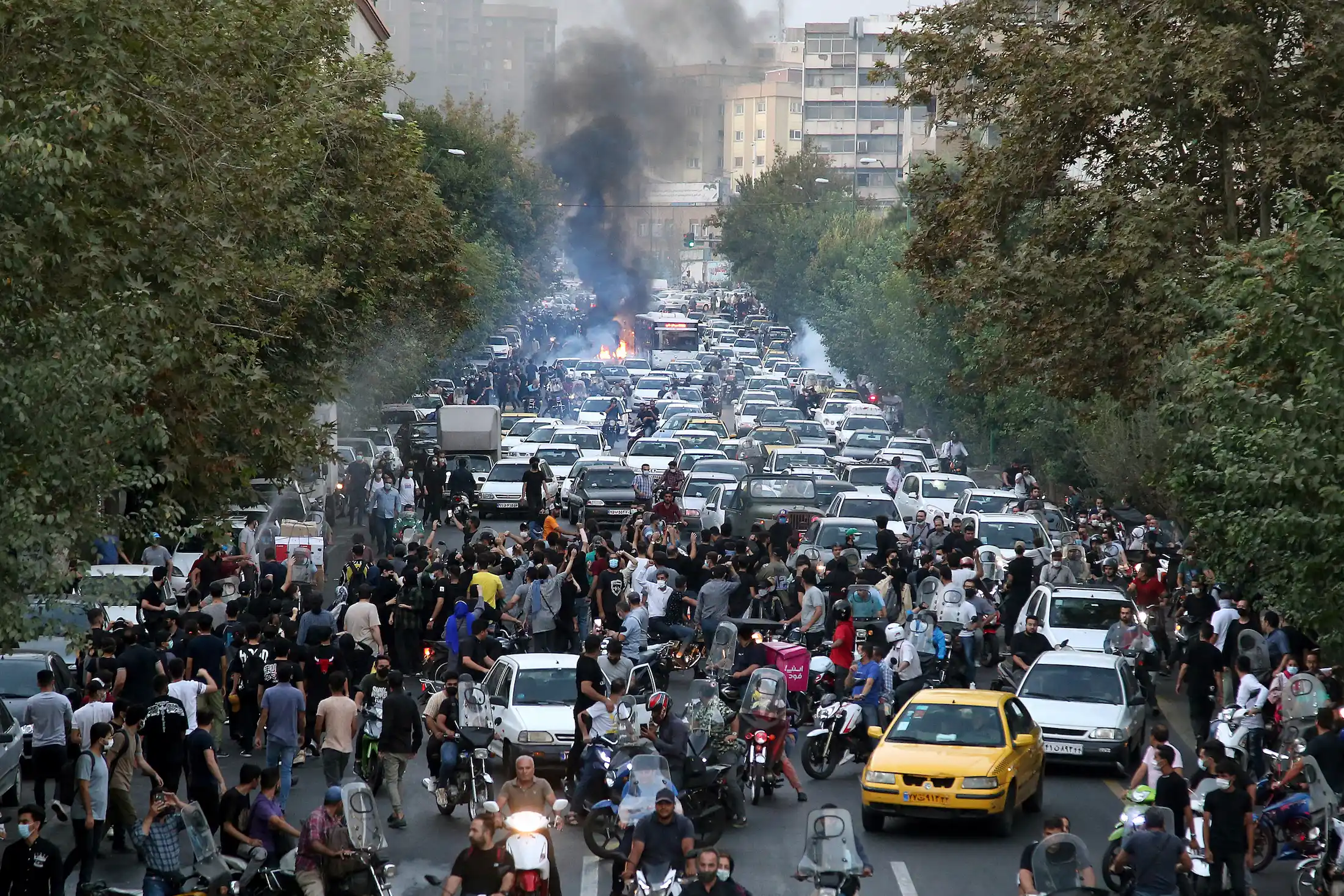
Those protests were met with severe crackdowns by Iranian security forces, including mass arrests and deadly violence against demonstrators.
Human rights organizations and the United Nations have reported thousands of deaths linked to the unrest.
Despite these tensions, protests do not automatically translate into immediate regime collapse.
Why Stability May Persist
Political scientists say several factors can explain why governments sometimes remain stable even during war:
1. Security apparatus loyalty
The Iranian state maintains powerful internal security forces, including the Islamic Revolutionary Guard Corps and Basij militia.
2. Control over communications
During crises, authorities can restrict internet access and communications to limit the spread of protest coordination.
3. Fragmented opposition
Opposition groups inside and outside Iran remain divided, making coordinated political change difficult.
4. National unity during conflict
External military threats can sometimes rally populations around existing governments rather than weaken them.
Information Warfare in Modern Conflicts
Experts say modern conflicts increasingly involve information battles alongside military operations.
Competing narratives can circulate rapidly through social media, political commentary, and international media coverage. Predictions of regime collapse are often part of psychological warfare strategies intended to influence public perception.
At the same time, on-the-ground reporting can sometimes show a more complicated reality.
What Happens Next
While some analysts believe Iran’s government could eventually face internal instability, many intelligence assessments suggest no immediate collapse is likely.
Instead, the country may continue operating under a mixture of political control, security enforcement, and intermittent public unrest.
For now, reports indicating calm in parts of Iran illustrate the gap that often exists between geopolitical rhetoric and conditions experienced by ordinary people.