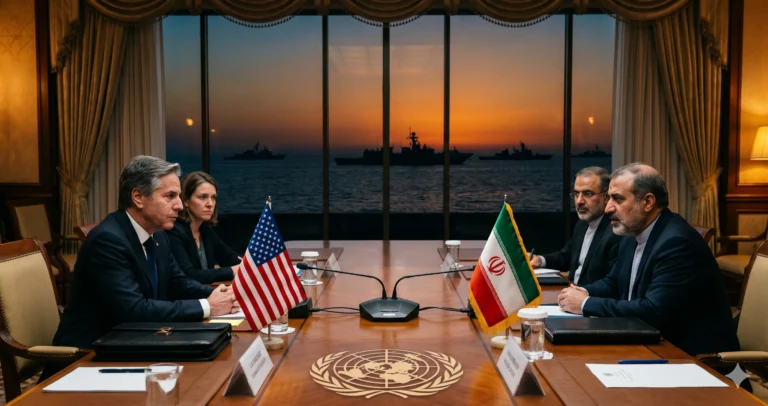
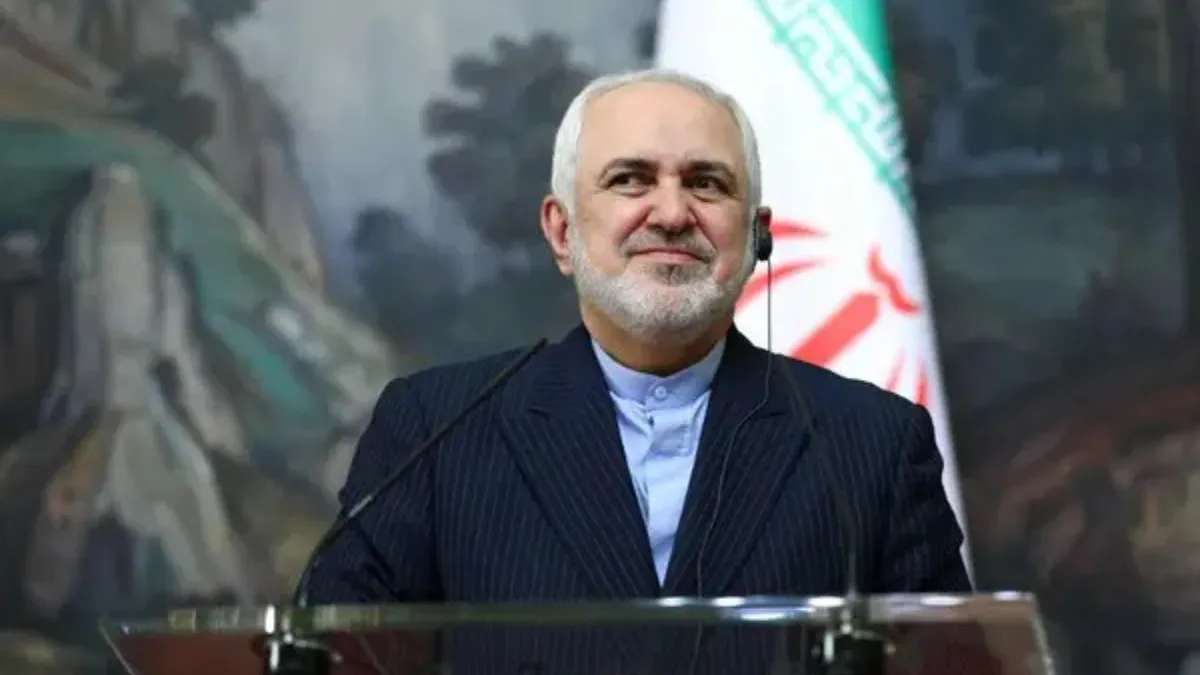
TEHRAN — Iran’s foreign minister has responded directly to international outrage over the possible execution of protester Erfan Soltani, telling America’s Fox News that “hanging is out of the question” and there are no plans for executions of protesters now or in the immediate future.
The comments from Abbas Araghchi, relayed in an interview Wednesday, were widely interpreted as a diplomatic effort to calm alarm sparked by reports that Soltani, a 26-year-old demonstrator, was facing imminent execution by hanging after being detained during nationwide anti-government protests.
Araghchi said that Iran has no plan for hangings today, tomorrow or at any foreseeable time in connection with the protest crackdown, directly countering earlier fears that the country might begin capital executions of detained demonstrators.
What triggered the outrage
Human rights organisations and foreign governments had raised alarm after reports emerged that Soltani had been sentenced to death on charges widely seen as tied to his protest activism. Rights advocates said the reported death sentence was a major escalation in Iran’s suppression of dissent.
International pressure, including statements from the United States and broader diplomatic concern, built rapidly as the case drew attention from rights groups and media worldwide. Those concerns were tied to broader fears of executions being used against protesters detained amid one of the largest waves of unrest Iran has seen in decades.
Shift in official narrative
In the wake of Araghchi’s comments, Iranian state media and judicial statements have indicated the legal status of Soltani’s charges may have changed, with officials saying he is not currently facing a death sentence and may instead be charged with lesser offenses that carry non-capital penalties.
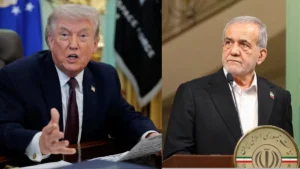
That echoed similar comments from U.S. officials, including President Donald Trump, who said he had been told that plans for executions had been halted and that killings tied to the protest crackdown appear to be slowing.
Broader context of the protests
Iran has been gripped by widespread protests that began over economic conditions and swiftly morphed into broader anti-government demonstrations. Human rights groups report thousands of deaths and tens of thousands of arrests during the security response, although precise figures are difficult to confirm under tight information controls.
Despite the government’s denial of execution plans, observers note tensions remain high, and both domestic unrest and international diplomatic concern continue to shape the narrative around Iran’s handling of protest cases.
What to watch next
- How Iran’s judicial process addresses the charges against Soltani and other detained protesters.
- Whether international governments or the United Nations will demand independent monitoring of protest-related prosecutions.
- Further statements from Iran’s leadership on executions, human rights, and diplomatic engagement.
- Response from human rights organizations to the government’s denial of execution plans.
There remains uncertainty around whether Soltani’s death sentence was legally finalized or merely reported by rights groups and family sources; Iranian state statements suggest the judiciary may have revised the charges.
Independent verification from on-the-ground sources is limited due to internet shutdowns and restricted media access inside Iran.