TEL AVIV — A sudden barrage of Iranian projectiles sent Israelis scrambling into bomb shelters on Saturday, as air raid sirens echoed from the Mediterranean coast to inland cities and interceptor explosions lit the evening sky.
Early in the day, Iran responded to a major joint military offensive against its territory by firing ballistic missiles and drones toward Israeli population centers — a direct escalation in a conflict that has gripped the Middle East.
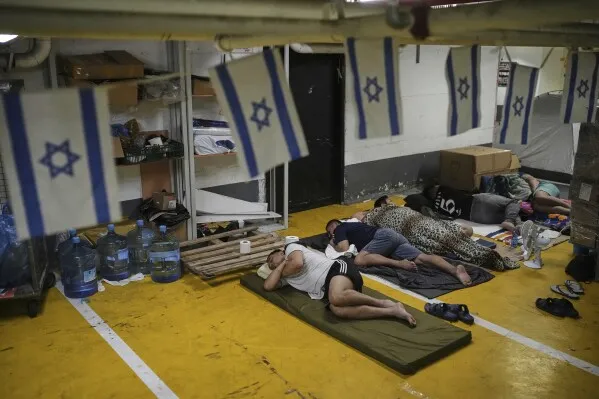
Across Tel Aviv, Jerusalem and towns in central Israel, warnings flashed on mobile phones and public address systems: “Shelter now.” Families, workers, and commuters hurried into reinforced safe rooms and public bunkers as the nation’s air defense systems — including interceptor batteries — ignited overhead to knock down incoming threats.
“I heard the siren in the street, and within seconds everyone was running,” recounted one Tel Aviv resident, speaking from inside a crowded underground shelter. Interceptors burst overhead, their bright detonations casting fleeting light through stairwell vents as anxious civilians braced for impact.
While most of the missiles were engaged by Israel’s air defense network, some projectiles managed to cause scattered fires and damage in outlying areas, officials said. Emergency crews were dispatched to extinguish blazes and secure impacted zones, though detailed casualty numbers remained unclear.
The scenes of panic starkly contrasted with attempts at daily routine earlier in the day. Shops closed, schools were suspended, and public gatherings were halted as the national Home Front Command urged citizens to remain indoors until the threat subsided.
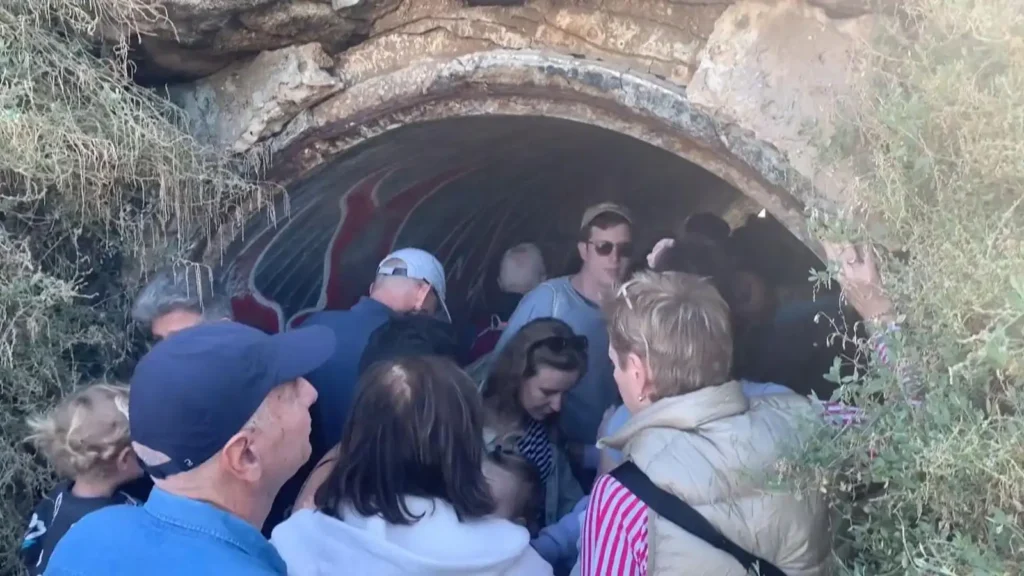
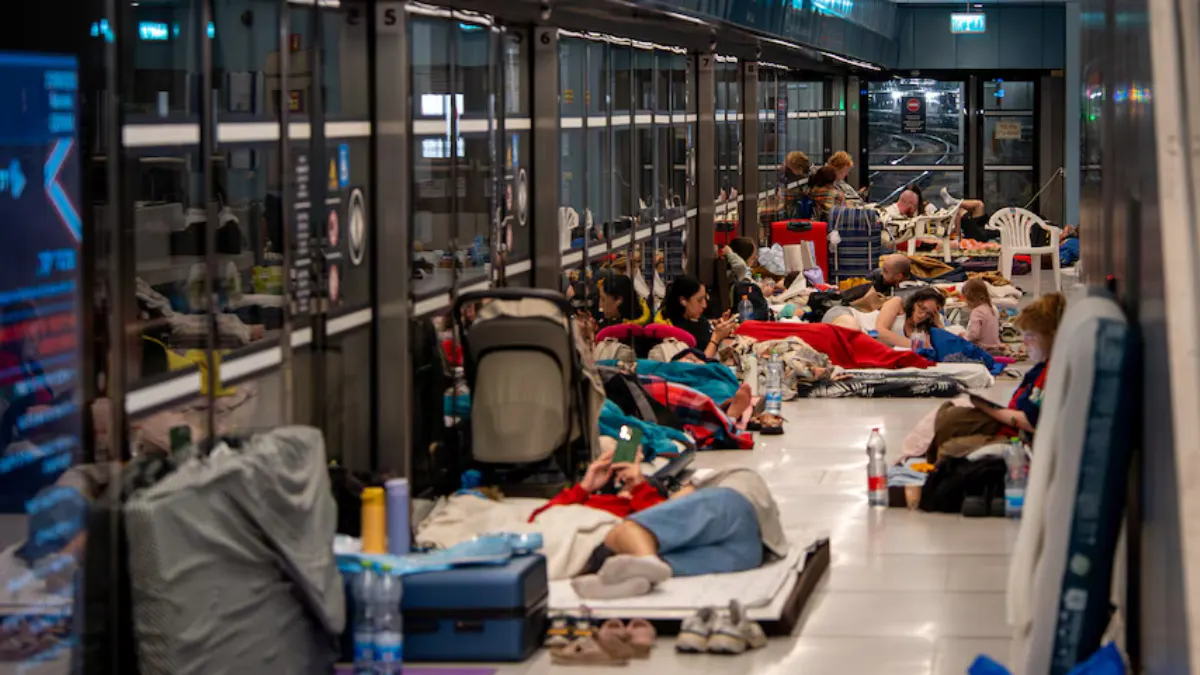
In Tel Aviv’s central district, underground metro stations doubled as sprawling makeshift shelters, packed with families cradling children, carrying pets, and clutching phones and possessions. Strangers shared blankets and water as they waited out the uncertain barrage.
This latest round of missiles comes amid a broader conflict triggered by joint U.S.–Israeli strikes on Iranian military and nuclear infrastructure, which have dramatically raised tensions across the region. Tehran’s retaliation represents one of the most direct exchanges between the two long-standing adversaries in years.