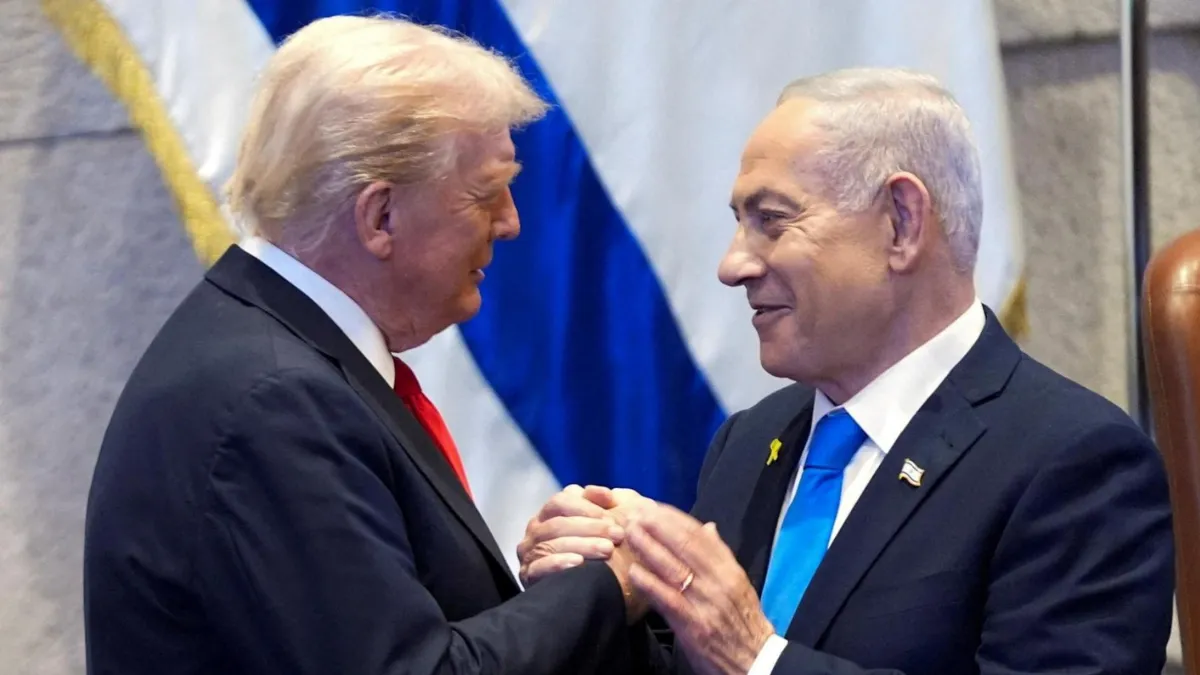
In an extraordinary address amid spiraling Middle East conflict, Israeli Prime Minister Benjamin Netanyahu said there are “signs” that Iran’s Supreme Leader Ayatollah Ali Khamenei “is no longer,” a remark that fueled global shock and heightened war jitters on Saturday.
Netanyahu’s comments came against the backdrop of a major joint military offensive by the United States and Israel, already underway across Iran, targeting key military assets, nuclear-linked infrastructure, and command centers. He did not explicitly confirm Khamenei’s death, but the implications were unmistakable.
In his prerecorded address, the Israeli leader framed the strikes — part of what Israeli authorities have termed Operation Lion’s Roar – as a decisive response to decades of hostility from Tehran and a broad bid to dismantle what he called an “existential threat” to Israeli and Western security. “This operation will continue as long as necessary,” Netanyahu declared, reaffirming his government’s resolve.
The operation’s first waves struck widely across Iran, including near Tehran and at sites tied to the regime’s leadership structure. U.S. and Israeli officials say the campaign targets Iran’s nuclear and missile infrastructure and key Revolutionary Guard facilities – actions described as among the most significant Middle East military moves in years.
But the situation remains fiercely contested.
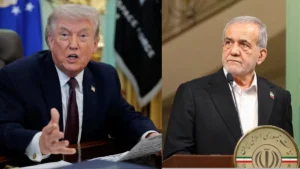
Iranian sources say both Khamenei and Iranian President Masoud Pezeshkian are alive and have been relocated to secure locations, directly contradicting the suggestion that the supreme leader may be dead. Addressing the crisis, Iran’s foreign ministry vigorously rejected claims about Khamenei’s fate, pledging full retaliation against what it called “illegal aggression.”
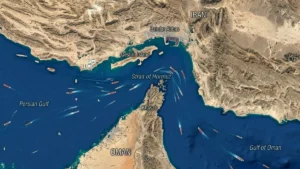
In Iran and neighboring regions, counter-strikes have already hit U.S. military bases, and sirens have sounded across the Gulf states as the conflict expands. Several nations have closed airspace and suspended flights amid growing safety concerns.
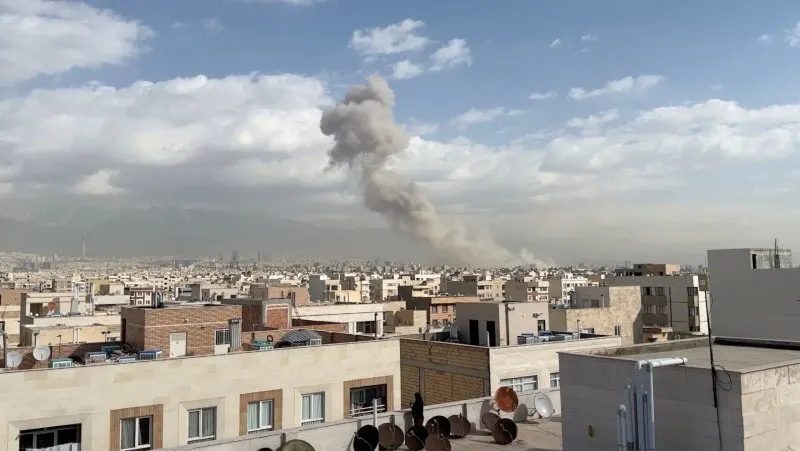
For civilians caught in the crossfire, the uncertainty is palpable. In Tehran, smoke rose from multiple explosions, and residents expressed fear about entering a broader conflagration.
Global leaders have responded with alarm. Calls for de-escalation have come from capitals in Europe and beyond, emphasizing the danger that further military escalation could spread conflict across the Middle East and impact global energy markets and diplomatic relations.
As of now, the facts about Khamenei’s status remain unverified by independent observers, and the campaign shows no signs of ending soon – a dire chapter that could redraw political and military fault lines across the region.