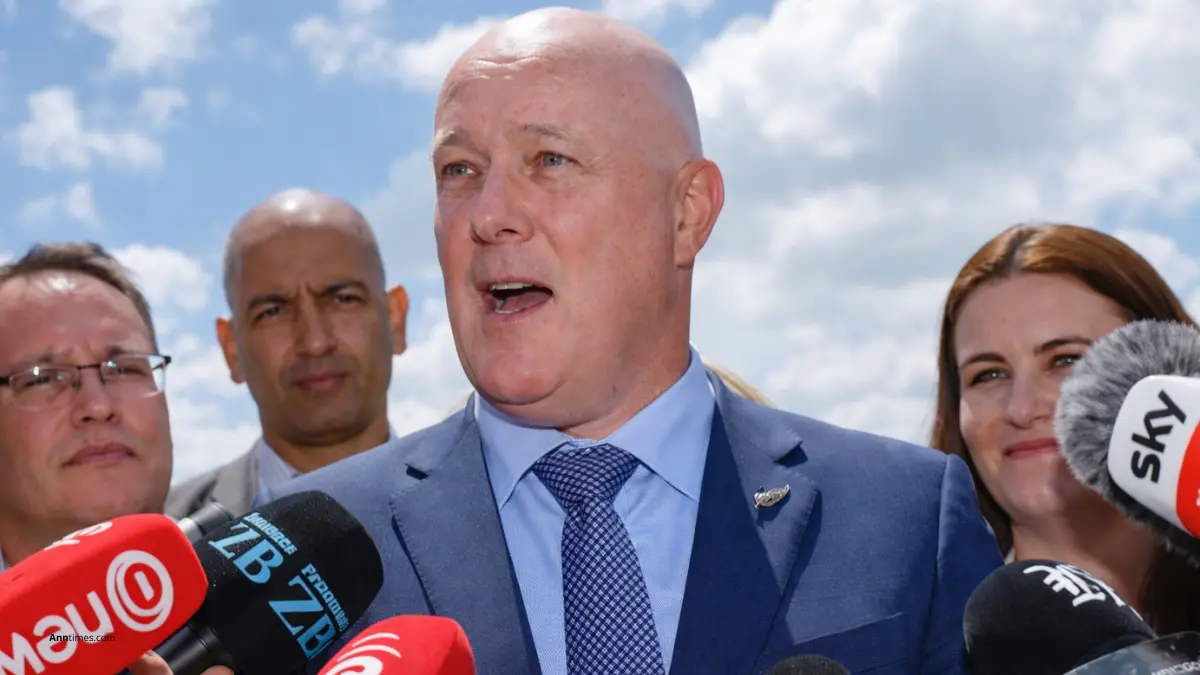
WELLINGTON — New Zealand Prime Minister Christopher Luxon on Monday called a general election for November 7, launching a campaign centred on promises of economic prosperity as voters grapple with high living costs and sluggish growth.
Luxon said the election would give New Zealanders a clear choice over the country’s economic direction, arguing that his government had stabilised inflation and laid the groundwork for stronger growth after a turbulent period marked by global shocks and rising interest rates. “This election is about securing New Zealand’s economic future,” Luxon said in a statement announcing the poll.
The vote will be the first major electoral test for Luxon since he led the New Zealand National Party to power, ending six years of Labour-led government. His administration has focused on fiscal restraint, tax relief and encouraging private-sector investment, while critics argue those policies risk widening inequality and underfunding public services.
Economic pitch to voters
Luxon framed the campaign as a referendum on economic management, pointing to easing inflation and signs of recovery after New Zealand narrowly avoided recession. However, many households continue to feel pressure from high mortgage rates, rent increases and everyday expenses, issues opposition parties are expected to highlight heavily during the campaign.
The opposition New Zealand Labour Party, now led by a new leadership team after its 2023 defeat, has accused the government of favouring higher-income earners and failing to address cost-of-living concerns for ordinary families. Smaller parties are also positioning themselves as potential kingmakers under New Zealand’s proportional representation system.
Political stakes
The November election is expected to be closely fought, with opinion polls showing a competitive race between National and Labour, alongside significant support for minor parties. Analysts say turnout and voter sentiment on the economy will be decisive, particularly among middle-income and younger voters facing housing affordability challenges.
Luxon said his government was seeking a renewed mandate to continue reforms aimed at boosting productivity, improving public finances and restoring confidence among businesses and investors. “We have more work to do,” he said, urging voters to back what he described as a long-term plan for growth.
The campaign period will formally begin in the coming weeks, with parties preparing policy launches, leader debates and nationwide tours ahead of the November 7 vote.