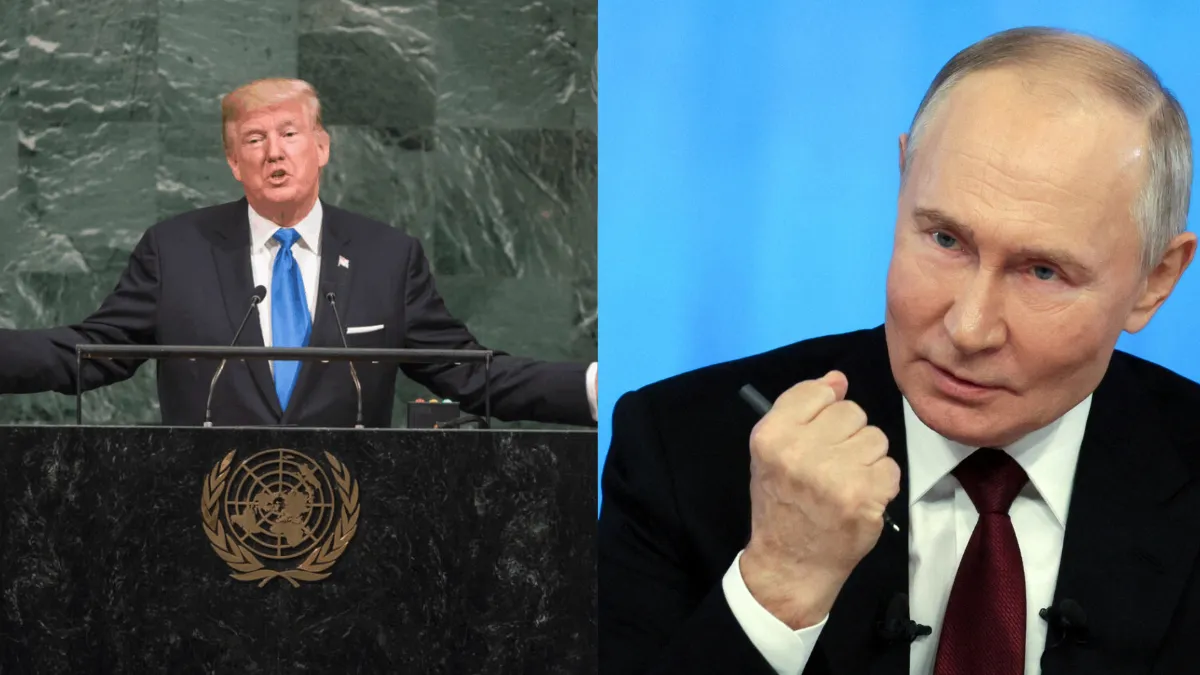
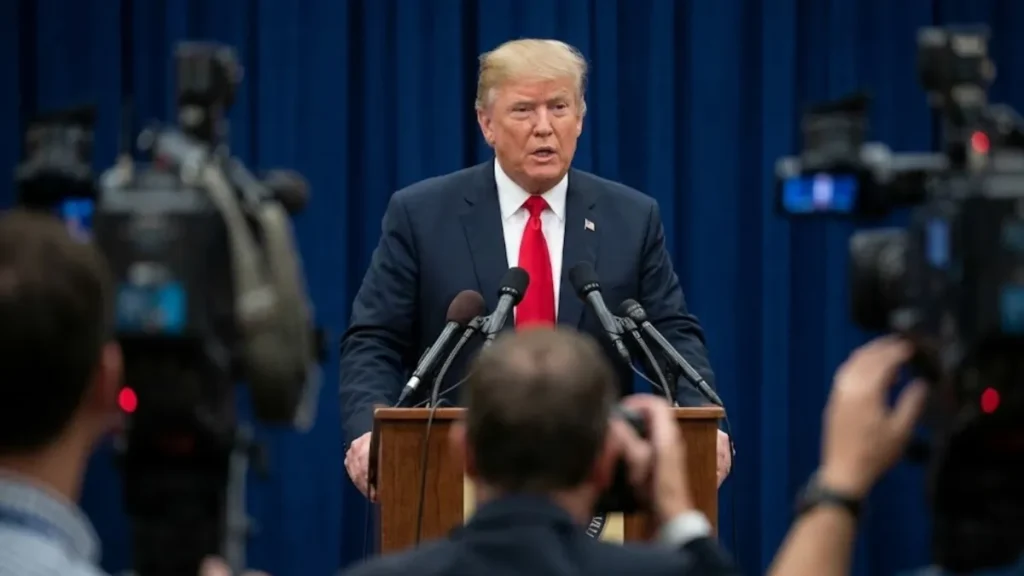
US President Donald Trump said a future operation to capture Russian President Vladimir Putin would “not be necessary,” adding that Putin is afraid of the United States but does not fear Europe, remarks that sharpened tensions with US allies and reignited debate over transatlantic security.
Trump’s comments
Speaking in a wide-ranging exchange, Trump argued that American military and economic power alone was sufficient to deter Russia, asserting that Putin respects US strength while dismissing Europe as divided and ineffective. He said speculation about capturing the Russian leader was misplaced, claiming US pressure already achieved the desired effect.
The comments marked Trump’s latest public criticism of European allies, whom he has repeatedly accused of underinvesting in defence and relying too heavily on US protection.
Context of the remarks
Trump’s comments come amid heightened geopolitical tension over the war in Ukraine and renewed debate in Washington and Europe over how far Western powers should go in confronting Moscow. While US officials have consistently ruled out direct military action against Russian leadership, Trump’s remarks suggested confidence in deterrence rather than escalation.
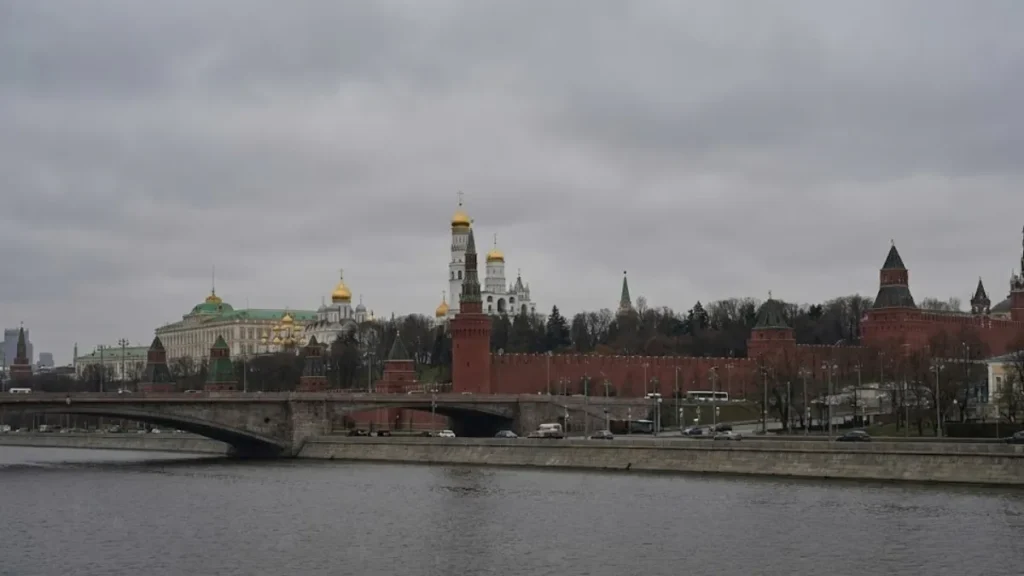
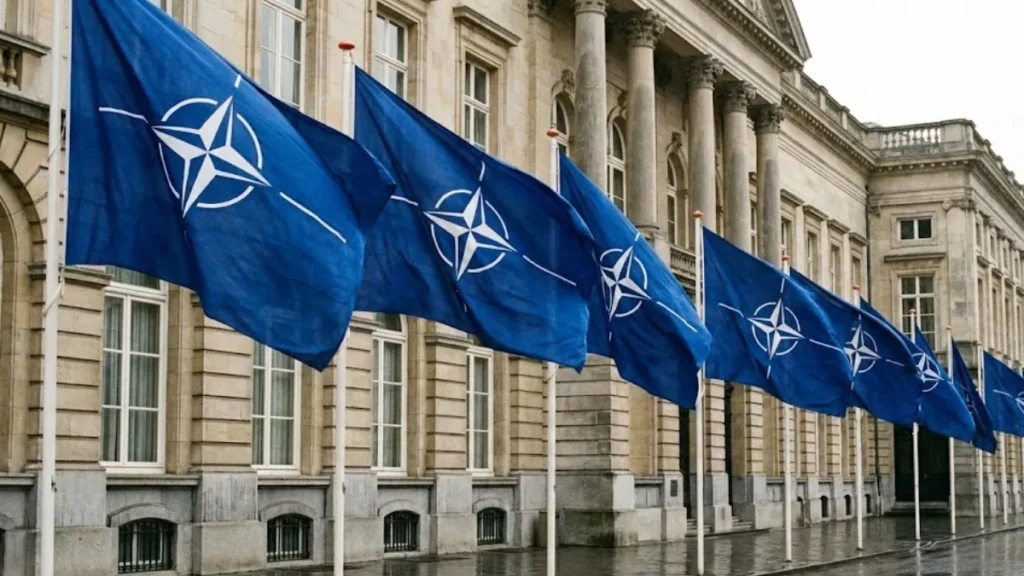
European leaders have stressed the importance of collective action through NATO, arguing that unity, rather than unilateral power, is the foundation of deterrence against Russia.
Reaction and implications
Analysts say Trump’s remarks are likely to unsettle European capitals already wary of his scepticism toward NATO and multilateral defence commitments. His assertion that Putin does not fear Europe challenges the alliance’s long-standing claim that collective defence enhances security for all members.
Critics argue such statements risk undermining allied cohesion at a time when coordination is central to sustaining support for Ukraine and deterring further Russian aggression.
Trump and Europe
Throughout his political career, Trump has portrayed Europe as strategically weak, repeatedly calling on NATO members to increase defense spending. While some European countries have boosted military budgets since Russia’s invasion of Ukraine, Trump has maintained that Europe remains dependent on US leadership.
Supporters of Trump argue his blunt rhetoric pressures allies to contribute more, while opponents say it emboldens adversaries by exposing divisions within the Western alliance.