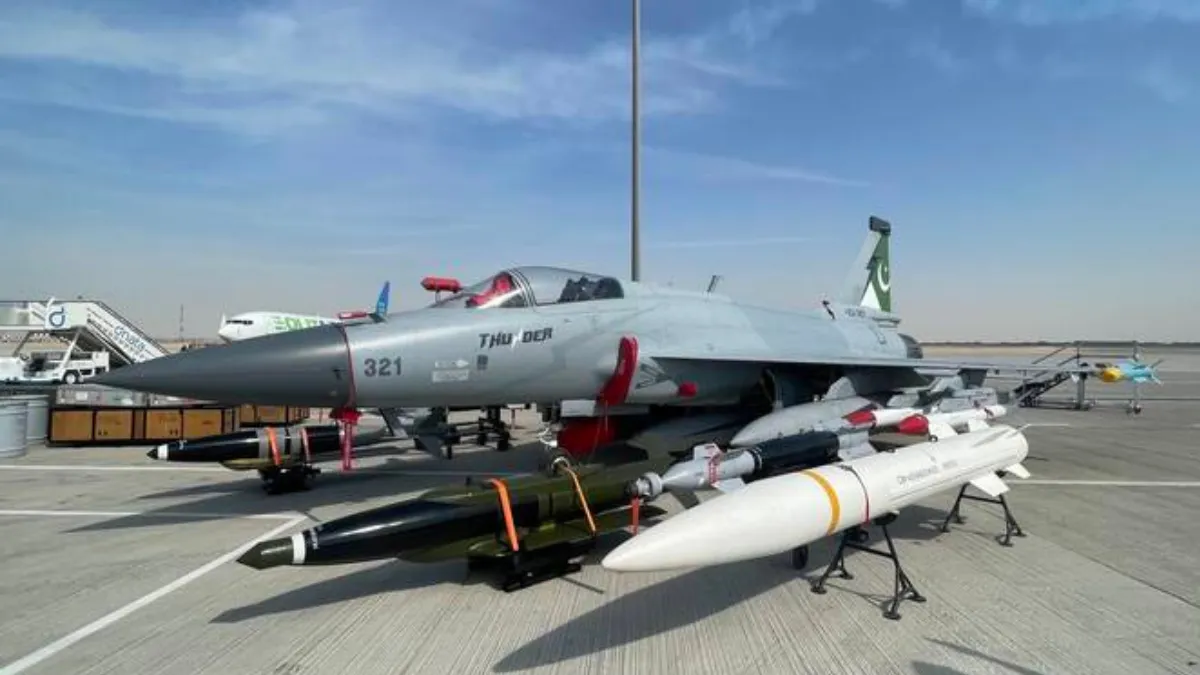
Pakistan’s push to sell its JF-17 fighter jets to Bangladesh and other potential buyers is driven by a mix of defence diplomacy, hard-currency needs, and shifting regional alignments, with Islamabad positioning the aircraft as a cost-effective alternative to Western fighters.
What’s happening now
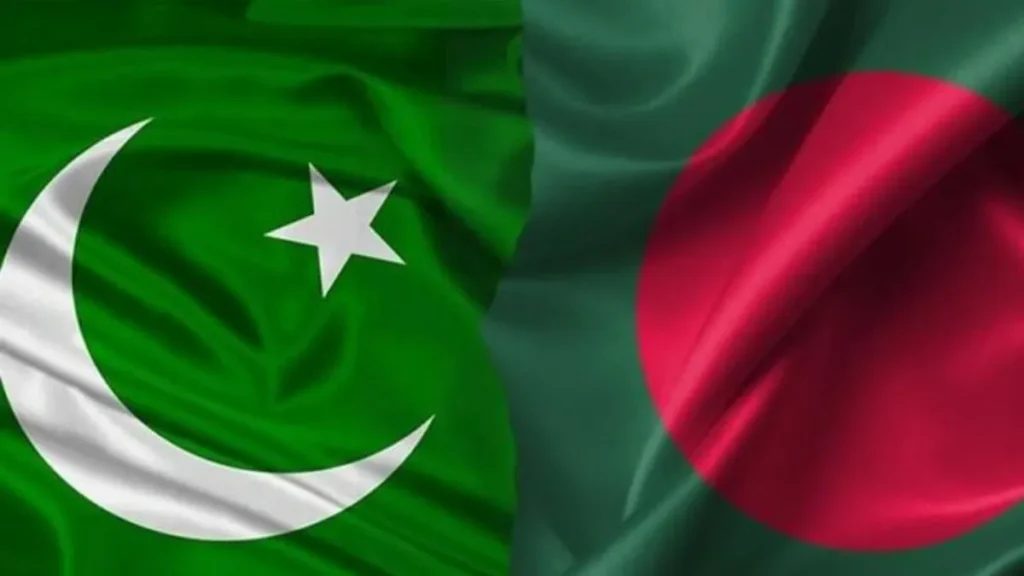
Pakistan and Bangladesh are discussing a defence agreement that includes potential procurement of JF-17 fighter jets, according to reporting on meetings between the two air force chiefs and Pakistan’s military messaging around the talks. Bangladesh has not publicly confirmed a purchase decision.
At the same time, Pakistan is pursuing other export pathways for the platform, with separate reporting indicating negotiations that could link JF-17 sales to broader financing arrangements with partners such as Saudi Arabia.
1) Money first: exports as an economic strategy
Pakistan’s defence leadership has increasingly framed arms exports as an economic lever. Reuters reports that Pakistan’s defence minister has described growth in weapons exports as a potential economic “game-changer,” explicitly tying the sector to reducing reliance on external financial support.
That matters because fighter exports do not just bring in one-off revenue. They also create long-term service income: training, maintenance, spares, upgrades, and munitions integration. Those recurring revenues can be strategically valuable for a country under persistent balance-of-payments pressure.
2) Bangladesh: shifting politics, shifting procurement
Bangladesh’s interest is emerging at a moment of political transition and recalibration in Dhaka’s foreign relationships. Reuters links the improving Pakistan-Bangladesh engagement to Bangladesh’s post-2024 political shift and a broader rebalancing of regional ties.
From an air force planning perspective, Bangladesh also faces a practical problem: replacing ageing fleets while staying within budget. The JF-17, marketed as a lower-cost multirole aircraft with a packaged training and sustainment offer, is designed for exactly that kind of buyer profile.
3) Why the JF-17 is exportable when others aren’t
The JF-17’s biggest advantage is that it sits in a market gap: states that want a modern fighter but cannot afford, access, or politically justify top-tier Western platforms.
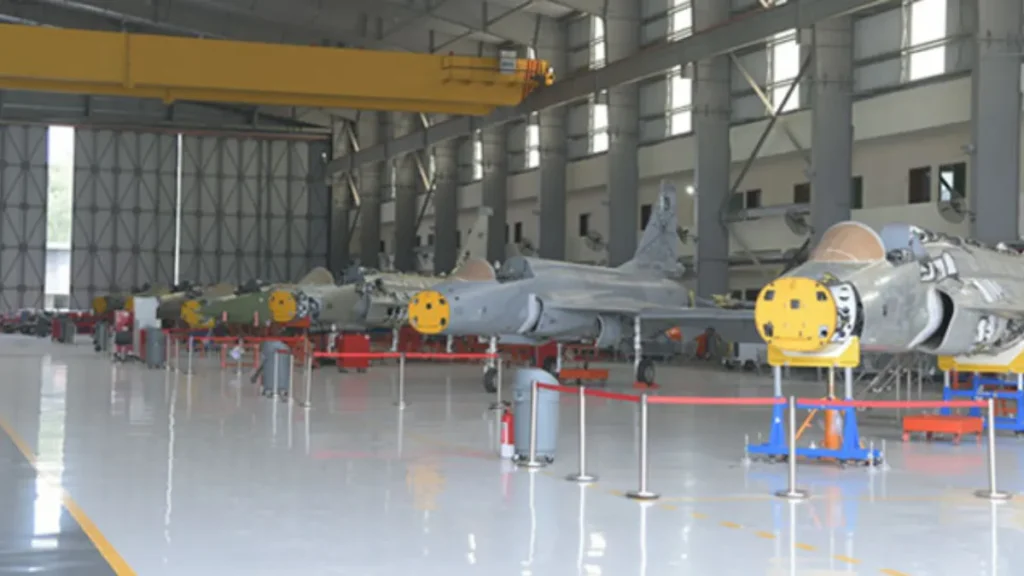
Key selling points that typically matter to mid-tier air forces:
- Lower acquisition and operating costs compared with many Western fighters (analysis based on market positioning described in defence reporting).
- Package deals that can include trainers, support, and faster delivery timelines, which Reuters reports are part of discussions with Bangladesh (including expedited trainer delivery).
- Fewer political strings than many Western export regimes, depending on the buyer and regional politics (analysis).
Pakistan also points to operational credibility. Pakistani officials have been publicly claiming the aircraft proved itself in conflict contexts, according to NDTV’s account of Pakistan’s stance, though independent verification of performance claims varies by incident and remains contested.
4) Defence diplomacy: the jet as a relationship
Fighter sales are rarely just commercial. They build a security relationship.
When a country buys a fighter, it typically buys:
- pilot training pipelines
- maintenance training
- ground support systems
- weapons integration support
- doctrine and tactics exchange
Reuters describes the Bangladesh talks as including training and support elements alongside equipment discussion. That kind of relationship can deepen military-to-military links and create long-term alignment through logistics and dependency on spares and upgrades.
5) “Creative financing” is now part of the pitch
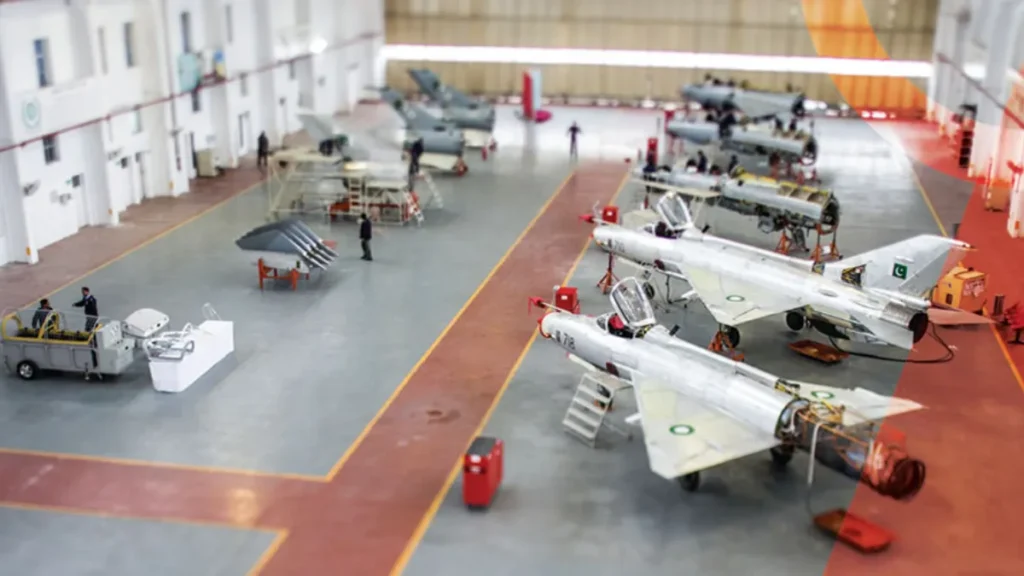
One of the most important signals is that Pakistan is exploring ways to make JF-17 deals financially easier for partners. Reuters reports talks in which Saudi loans could be converted into a JF-17 deal framework, highlighting how defence exports can be paired with state-to-state financial arrangements rather than pure commercial purchases.
That approach can be attractive for buyers facing budget constraints and can also serve diplomatic goals for the seller and financer.
6) The China factor: enabling and constraining
The JF-17 is jointly developed with China and involves Chinese components and systems, which can make it easier to sell to some countries but also introduces complexities:
- Supply chain dependence on Chinese components (analysis).
- Export approvals and configurations may depend on what China is willing to support (analysis).
- Buyers may weigh interoperability with existing Western equipment and potential diplomatic consequences (analysis).
This is one reason Pakistan often sells not just the jet, but a broader “ecosystem” package designed to reduce friction for air forces that do not have deep Western support networks.
7) Regional signalling: deterrence and status
There is also a signalling element. Pakistan’s export push communicates that it is not only an arms importer but a producer with platforms that other countries will consider buying. That enhances status, builds influence, and strengthens Islamabad’s bargaining power in defence relationships.
For Bangladesh specifically, even exploring a JF-17 option changes regional perceptions by suggesting Dhaka has alternatives and is willing to diversify suppliers (analysis), a point underscored by the attention the talks have generated.
Why it matters
If Bangladesh moves forward, it would be a politically meaningful sale and a large regional validation of Pakistan’s defence export ambitions. More broadly, Pakistan’s export push reflects how middle powers are competing for influence through arms diplomacy, using equipment sales to shape relationships in regions where alliances are in flux.
What to watch next
- Dhaka’s confirmation: whether Bangladesh publicly acknowledges a formal acquisition plan, quantities, and timeline.
- Deal structure: whether packages include trainers, weapons, radar/sensors, and multi-year support contracts.
- Financing model: whether loans, offsets, or government-backed credits play a central role.
- Other buyers: whether Pakistan’s parallel export talks translate into signed contracts.